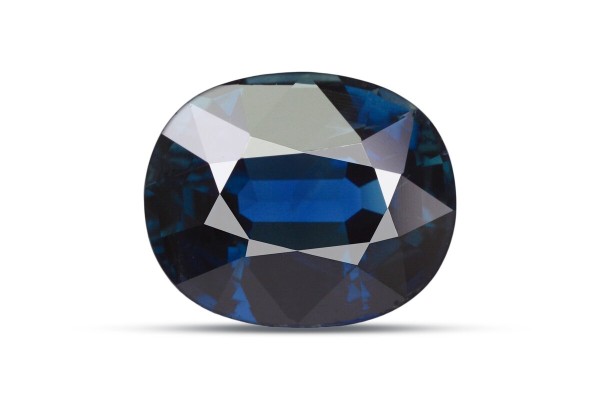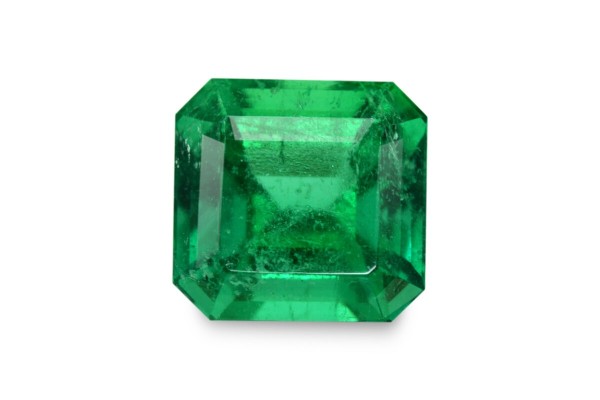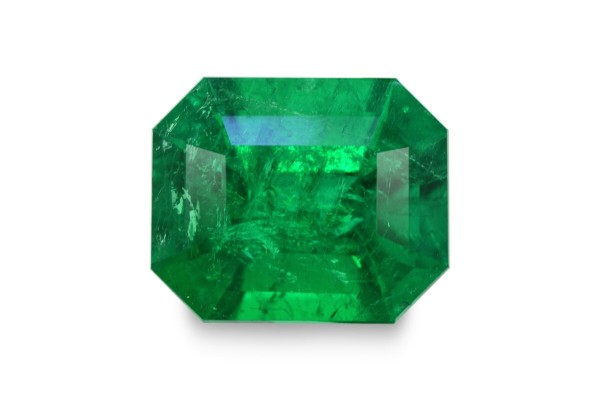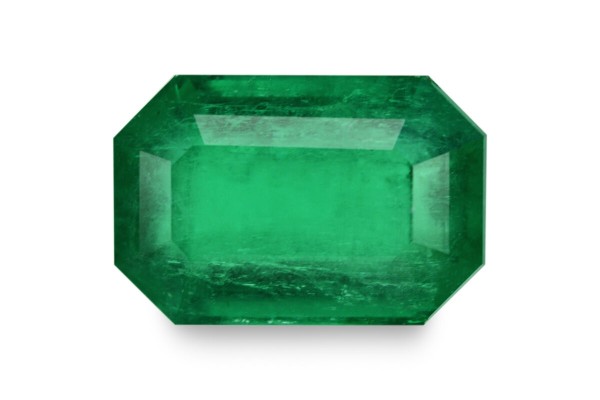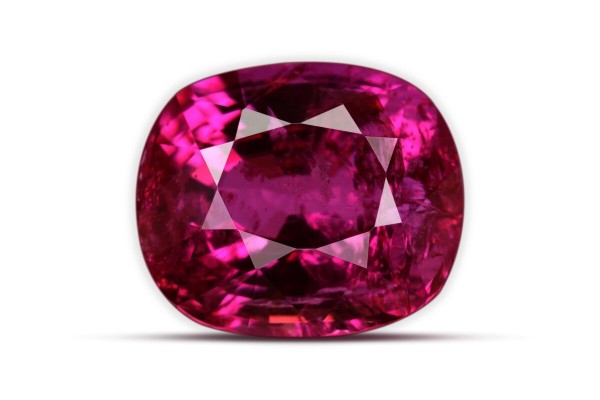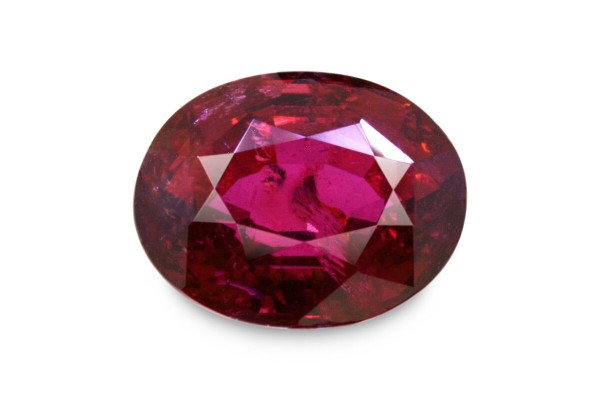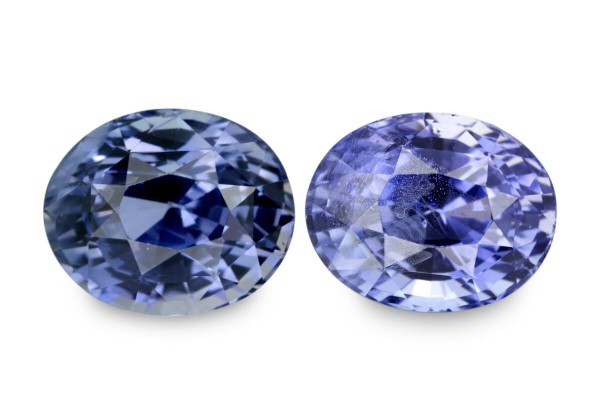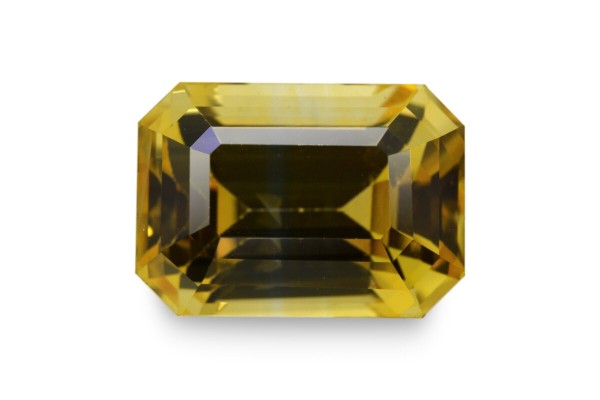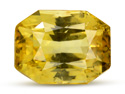
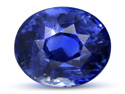
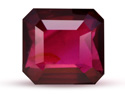
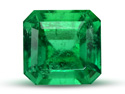
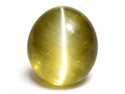
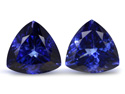
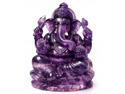
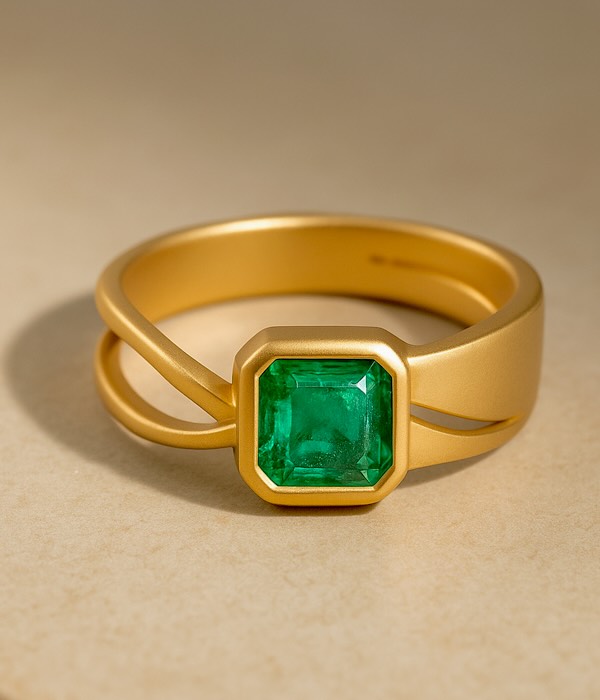
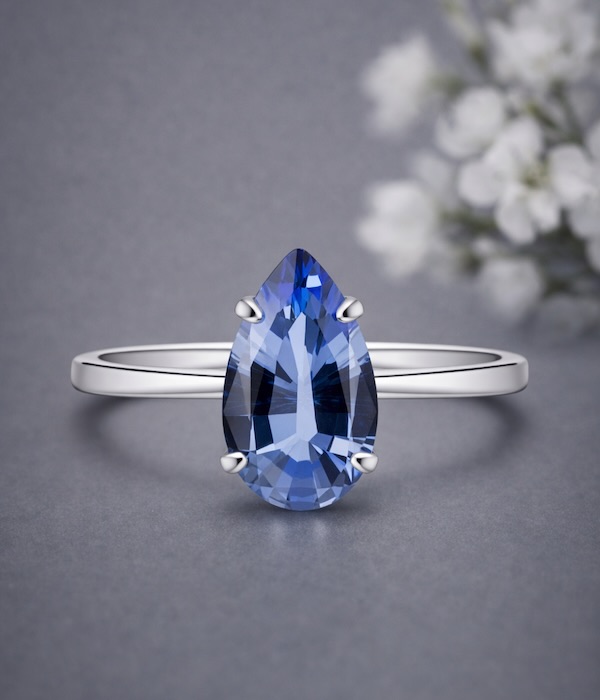
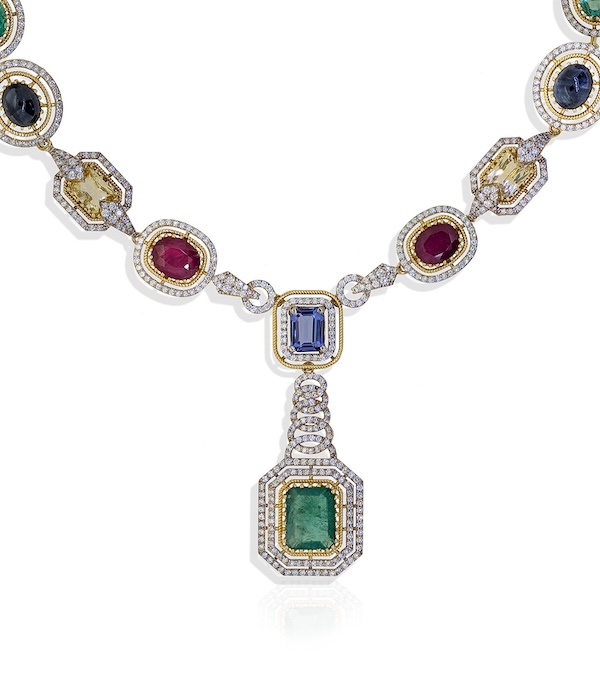

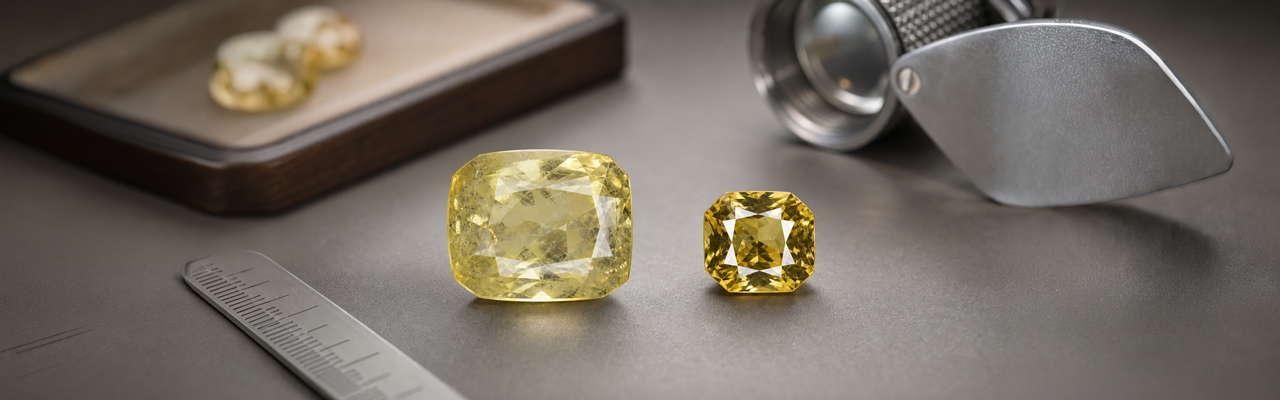
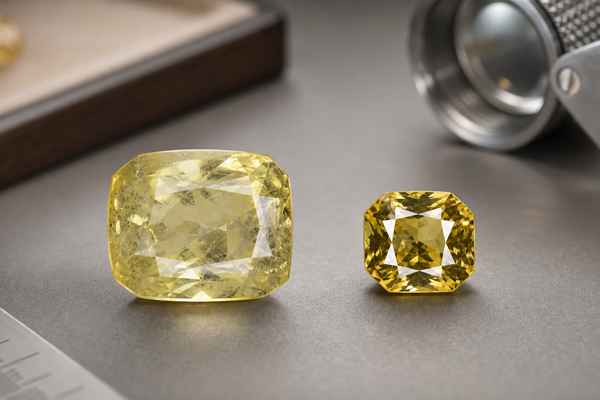
When someone buys a gemstone, one of the first questions people usually ask is, “How many carats is it?” Whether it is a yellow sapphire for astrology, an emerald engagement ring, a ruby pendant, or a blue sapphire ring, carat size often becomes the easiest way to judge the importance of a gemstone.
Bigger gemstones do have their charm. A larger stone looks more noticeable, feels more significant, and may carry a stronger emotional value for the buyer. In many cases, a bigger fine-quality gemstone can also be rarer and more valuable. But the real question is not simply, “Is bigger better?” The better question is, “Is the gemstone still beautiful, natural, well-cut, properly certified, and suitable for the purpose?”
The answer is simple: bigger is better only when quality is not compromised.
Bigger gemstones do have their charm. A larger stone looks more noticeable, feels more significant, and may carry a stronger emotional value for the buyer. In many cases, a bigger fine-quality gemstone can also be rarer and more valuable. But the real question is not simply, “Is bigger better?” The better question is, “Is the gemstone still beautiful, natural, well-cut, properly certified, and suitable for the purpose?”
The answer is simple: bigger is better only when quality is not compromised.
The Common Mistake: Choosing Size Before Quality
Many first-time gemstone buyers focus mainly on carat weight. This is especially common when buying gemstones for astrological purposes, where buyers are sometimes advised to choose a specific size such as 5 carats, 7 carats, or even 10 carats.
While size may be important in traditional recommendations, it should never become the only deciding factor. A large gemstone with poor colour, heavy inclusions, weak transparency, bad cutting, or major treatment may not be the right choice for a serious buyer. It may look dull, lack life, and may not hold the same long-term desirability as a smaller but finer gemstone.
For astrology-focused buyers, many people traditionally prefer natural, untreated, clean, and lively gemstones. As per Vedic astrology beliefs, gemstone quality is considered important because the stone is not bought only for appearance, but also for its traditional planetary association. Nine Gems does not provide astrological guarantees, but from a buying perspective, it is always wiser to select a balanced natural gemstone instead of blindly increasing the size by lowering the quality too much.
While size may be important in traditional recommendations, it should never become the only deciding factor. A large gemstone with poor colour, heavy inclusions, weak transparency, bad cutting, or major treatment may not be the right choice for a serious buyer. It may look dull, lack life, and may not hold the same long-term desirability as a smaller but finer gemstone.
For astrology-focused buyers, many people traditionally prefer natural, untreated, clean, and lively gemstones. As per Vedic astrology beliefs, gemstone quality is considered important because the stone is not bought only for appearance, but also for its traditional planetary association. Nine Gems does not provide astrological guarantees, but from a buying perspective, it is always wiser to select a balanced natural gemstone instead of blindly increasing the size by lowering the quality too much.
Bigger Gemstones in Astrology: Size Should Not Ignore Quality
In Vedic astrology, gemstones are traditionally associated with planets such as Jupiter, Saturn, Sun, Mercury, Venus, Moon, Mars, Rahu, and Ketu. Because of this, many buyers come with a recommended gemstone weight. For example, someone may be asked to wear a 5-carat yellow sapphire, a 6-carat blue sapphire, or a 7-carat emerald.
The problem begins when the buyer starts searching only by weight. If the budget is fixed, increasing the carat size often means reducing quality. The stone may become more included, less transparent, poorly cut, or heavily treated. In such cases, the gemstone may meet the weight requirement, but it may not be a desirable gemstone in terms of quality.
A better approach is to first choose the right quality range, then select the best possible size within that quality and budget. If a larger size is needed, it should ideally be increased along with quality, not by ignoring quality. A smaller, cleaner, natural, better-coloured gemstone can often be a more meaningful purchase than a much larger stone that looks lifeless or doubtful.
The problem begins when the buyer starts searching only by weight. If the budget is fixed, increasing the carat size often means reducing quality. The stone may become more included, less transparent, poorly cut, or heavily treated. In such cases, the gemstone may meet the weight requirement, but it may not be a desirable gemstone in terms of quality.
A better approach is to first choose the right quality range, then select the best possible size within that quality and budget. If a larger size is needed, it should ideally be increased along with quality, not by ignoring quality. A smaller, cleaner, natural, better-coloured gemstone can often be a more meaningful purchase than a much larger stone that looks lifeless or doubtful.
For Fine Jewellery, Quality Creates Beauty
In fine gemstone jewellery, quality becomes even more visible. A gemstone ring, pendant, bracelet, or necklace is worn for beauty, emotion, and personal expression. Here, the gemstone is not just a stone by weight. It becomes part of someone’s style, memory, celebration, or family treasure.
Low-quality gemstones are easily available in large sizes. But finer quality gemstones with rich colour, good transparency, pleasing clarity, attractive cutting, and natural character are much rarer. This is why a smaller fine-quality emerald, ruby, sapphire, or diamond can look more elegant than a larger stone with dull colour and poor life.
For engagement rings and high-end jewellery, the gemstone should look beautiful today and remain desirable for generations. A fine-quality gemstone has better emotional value, better appearance, and stronger long-term appeal. When jewellery is passed down in a family, people remember the beauty and quality of the piece, not just the carat weight.
Low-quality gemstones are easily available in large sizes. But finer quality gemstones with rich colour, good transparency, pleasing clarity, attractive cutting, and natural character are much rarer. This is why a smaller fine-quality emerald, ruby, sapphire, or diamond can look more elegant than a larger stone with dull colour and poor life.
For engagement rings and high-end jewellery, the gemstone should look beautiful today and remain desirable for generations. A fine-quality gemstone has better emotional value, better appearance, and stronger long-term appeal. When jewellery is passed down in a family, people remember the beauty and quality of the piece, not just the carat weight.
The Main Factors That Affect Gemstone Quality
Colour
Colour is one of the most important factors in coloured gemstones. A gemstone should have an attractive and pleasing colour for its variety. For example, a yellow sapphire should have a bright and appealing yellow tone, an emerald should have a rich green appearance, and a ruby should have a lively red colour.
A bigger gemstone with weak or uneven colour may not look premium. In many cases, buyers are happier with a slightly smaller stone that has better colour saturation and life.
Clarity and Transparency
Every natural gemstone may have some inclusions, and inclusions are part of its natural identity. However, too many inclusions can affect beauty, transparency, durability, and value. A heavily included gemstone may appear cloudy, cracked, or dull.
For astrology-focused buyers, many prefer gemstones that are natural, transparent, and reasonably clean. For jewellery buyers, better clarity gives the stone a brighter and more luxurious look.
Cut and Shape
Cut is not just about shape. It affects how the gemstone reflects light, how balanced it looks, and how beautifully it sits in jewellery. A poorly cut larger gemstone may look bulky, uneven, or lifeless. A well-cut smaller gemstone can look brighter, more elegant, and more refined.
Good cutting also matters when the gemstone is set in a ring or pendant. A balanced cut improves both appearance and wearability.
Colour is one of the most important factors in coloured gemstones. A gemstone should have an attractive and pleasing colour for its variety. For example, a yellow sapphire should have a bright and appealing yellow tone, an emerald should have a rich green appearance, and a ruby should have a lively red colour.
A bigger gemstone with weak or uneven colour may not look premium. In many cases, buyers are happier with a slightly smaller stone that has better colour saturation and life.
Clarity and Transparency
Every natural gemstone may have some inclusions, and inclusions are part of its natural identity. However, too many inclusions can affect beauty, transparency, durability, and value. A heavily included gemstone may appear cloudy, cracked, or dull.
For astrology-focused buyers, many prefer gemstones that are natural, transparent, and reasonably clean. For jewellery buyers, better clarity gives the stone a brighter and more luxurious look.
Cut and Shape
Cut is not just about shape. It affects how the gemstone reflects light, how balanced it looks, and how beautifully it sits in jewellery. A poorly cut larger gemstone may look bulky, uneven, or lifeless. A well-cut smaller gemstone can look brighter, more elegant, and more refined.
Good cutting also matters when the gemstone is set in a ring or pendant. A balanced cut improves both appearance and wearability.
Treatment and Enhancement
Many natural gemstones are treated to improve their appearance. Some treatments are common and accepted in jewellery, while others can greatly affect value, durability, and trust. For astrology-focused buyers, untreated gemstones are generally preferred. For fine jewellery, treatment disclosure is still important because it helps the buyer understand value and long-term care.
A large treated gemstone may be more affordable, but it should not be compared directly with a natural untreated gemstone of finer quality. Always ask about treatments and certification before making a serious purchase.
A large treated gemstone may be more affordable, but it should not be compared directly with a natural untreated gemstone of finer quality. Always ask about treatments and certification before making a serious purchase.
Origin and Rarity
Certain gemstone origins are valued more because they are historically known for producing fine-quality stones. Origin can influence desirability and price, especially in premium gemstones like ruby, sapphire, and emerald. However, origin should be considered along with beauty, treatment, certification, and overall quality.
A famous origin alone does not make every gemstone valuable. Similarly, a gemstone from a less famous origin can still be beautiful if the quality is strong.
A famous origin alone does not make every gemstone valuable. Similarly, a gemstone from a less famous origin can still be beautiful if the quality is strong.
How to Balance Size, Quality, and Budget
The best way to buy a gemstone is to decide your purpose first. Are you buying it for Vedic astrology, an engagement ring, high-end jewellery, collecting, or gifting? Each purpose may require a slightly different balance.
For astrology, focus on natural origin, treatment status, clarity, colour, and certification before blindly choosing the biggest size. For engagement rings and jewellery, focus on beauty, durability, design suitability, and long-term value. For collectors, rarity, origin, natural character, and certification become extremely important.
A practical buying approach is:
First choose the gemstone variety and purpose. Then decide the minimum acceptable quality. After that, select the best carat size available within your budget. If you want to increase size, do it carefully without sacrificing the essential quality factors that make the gemstone valuable and meaningful.
For astrology, focus on natural origin, treatment status, clarity, colour, and certification before blindly choosing the biggest size. For engagement rings and jewellery, focus on beauty, durability, design suitability, and long-term value. For collectors, rarity, origin, natural character, and certification become extremely important.
A practical buying approach is:
First choose the gemstone variety and purpose. Then decide the minimum acceptable quality. After that, select the best carat size available within your budget. If you want to increase size, do it carefully without sacrificing the essential quality factors that make the gemstone valuable and meaningful.
Conclusion: Bigger Is Better Only When Quality Supports It
So, are bigger gemstones better? Yes, a bigger gemstone can be better when it also has good colour, clarity, cut, natural beauty, proper disclosure, and certification. But bigger should never mean compromising the soul of the gemstone.
A gemstone is not valuable only because it is heavy. It is valuable because it is beautiful, natural, rare, meaningful, and suitable for the person wearing it. Whether you are buying for astrology, fine jewellery, an engagement ring, or as a gift, choose a gemstone that feels balanced in quality and size.
Explore certified natural gemstones at Nine Gems or book an appointment with our team to compare different sizes and qualities in person before making your final choice.
A gemstone is not valuable only because it is heavy. It is valuable because it is beautiful, natural, rare, meaningful, and suitable for the person wearing it. Whether you are buying for astrology, fine jewellery, an engagement ring, or as a gift, choose a gemstone that feels balanced in quality and size.
Explore certified natural gemstones at Nine Gems or book an appointment with our team to compare different sizes and qualities in person before making your final choice.
Frequently Asked Questions
Is a bigger gemstone always better for astrology?
Not always. In Vedic astrology, size may be traditionally recommended, but many buyers also prefer natural, untreated, clean, and good-quality gemstones. A bigger stone should not be chosen by heavily compromising quality.
Should I choose a smaller high-quality gemstone or a bigger low-quality gemstone?
In most cases, a smaller but better-quality gemstone is a wiser choice than a larger stone with poor colour, weak clarity, bad cutting, or doubtful treatment disclosure.
Does carat size affect gemstone price?
Yes, carat size affects price, but it is only one factor. Colour, clarity, cut, treatment, origin, rarity, and certification also strongly influence gemstone value.
Are low-quality large gemstones good for jewellery?
They may be affordable, but they may not look premium or hold strong long-term desirability. For fine jewellery, better colour, clarity, cut, and overall beauty are very important.
External Sources
Written by Sanjay Jain, FGA (Gemologist)
About the Author: Sanjay Jain is a Fellow of the Gemmological Association of Great Britain (FGA) and completed his professional gemology education with Gem-A, UK, in 2011. With extensive experience in natural coloured gemstones, he focuses on gemstone identification, quality evaluation, treatments, certification and practical buying guidance. Through his articles, he aims to simplify gemological concepts and help consumers make informed and transparent gemstone-buying decisions.