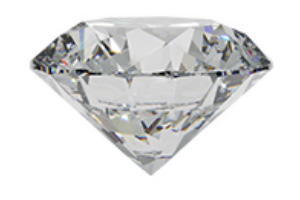
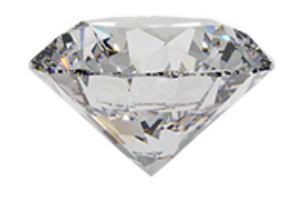
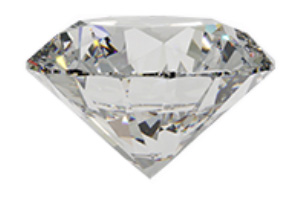
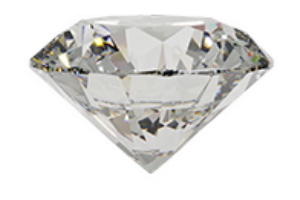
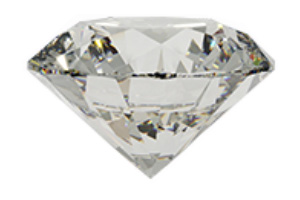
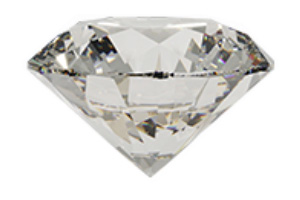
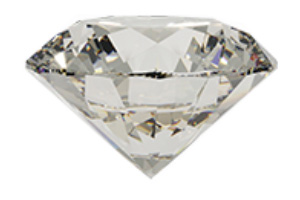
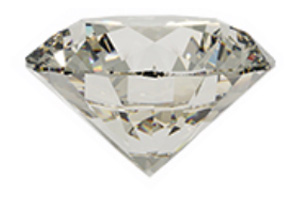
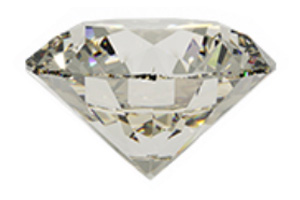
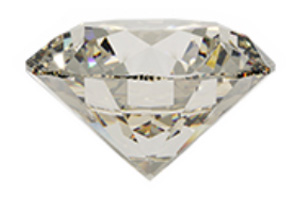
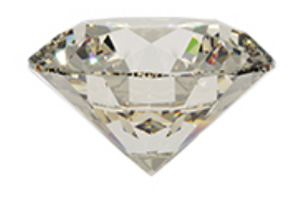
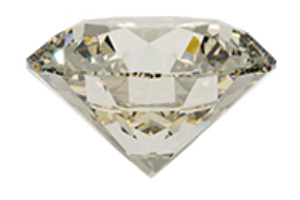
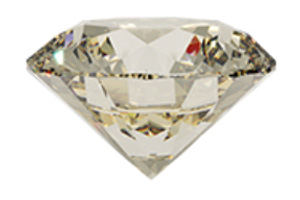
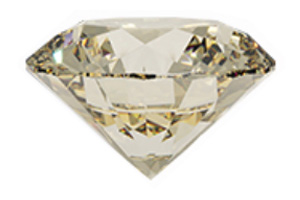
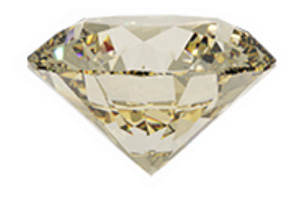
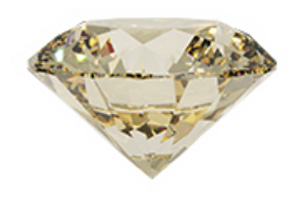
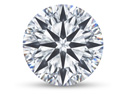
In the 1940s, the Gemological Institute of America introduced the 4Cs and the International Diamond Grading System, giving customers a trusted way to understand diamond quality. Even today, this standard helps buyers compare diamonds with confidence and choose a stone that feels right in both beauty and value.
Where colorless reflects rarity
Color
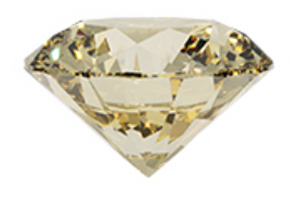
In natural white diamonds, the finest color is actually the absence of color - the closer a diamond is to being colorless, the more beautifully it allows light to pass through and reflect back with a clean, bright appearance. Diamonds used in jewellery, generally range from colorless to near-colorless, with some showing a soft hint of yellow or brown. These subtle differences may seem small, but they can influence how white, bright, and rare a diamond feels when worn.
The GIA diamond color scale is the trusted international standard for understanding this difference. It begins with D, which represents colorless, and continues down to Z, where the diamond shows a more noticeable light yellow or brown tint.
D
Colorless
E
F
G
Near Colorless
H
I
J
K
Faint Yellow
L
M
N
Very Light Yellow
O-P
Q-R
S-T
Light Yellow
U-V
W-X
Y-Z
For customers, understanding color helps in choosing a diamond that matches both their eye and their budget. Some may prefer the icy purity of a higher color grade, while others may choose a warmer tone that still looks beautiful in jewellery. The right diamond is not only about the grade — it is about the feeling it creates when you see it.
The beauty within the diamond
Clarity
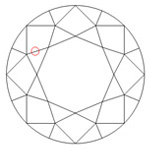
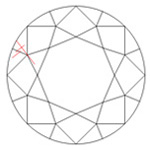
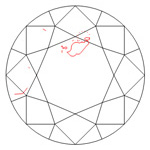
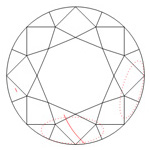
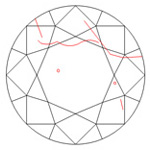
Diamond clarity is about the tiny natural details formed deep within the earth, under intense heat and pressure. These internal inclusions and external blemishes are often called a diamond’s birthmarks - subtle signs of its natural journey and individuality.
The fewer these birthmarks, the rarer the diamond becomes. A diamond with higher clarity allows light to move more freely through it, enhancing its brilliance, purity, and overall beauty. This is why clarity plays an important role in both the appearance and value of a diamond.
FL
Flawless
IF
VVS1
Very Very
Slightly Included
VVS2
VS1
Very
Slightly Included
VS2
SI1
Slightly Included
SI2
I1
Included
I2
I3
Using the GIA International Diamond Grading System, diamonds are graded from Flawless (FL) to Included (I3), based on the visibility of clarity characteristics under 10× magnification. Truly Flawless diamonds are exceptionally rare, and most diamonds found in jewellery fall within the VS or SI clarity ranges.
For a customer, understanding clarity helps in choosing a diamond that feels right — whether it is a beautifully clean stone or one with tiny natural marks that are not easily visible to the eye. Every diamond is unique, and its clarity tells a quiet story of how nature created it.
Precision that awakens brilliance
Cut
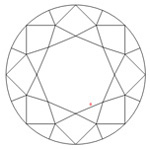
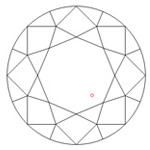
Cut is what brings a natural diamond to life. It decides how beautifully light enters the diamond, reflects inside it, and returns to your eyes as sparkle, fire, and brilliance. This is why cut has such a strong effect on the overall beauty of a diamond. Even a diamond with good color and clarity can look dull if it is not cut well. But when a diamond is cut with precision, it looks brighter, livelier, and more attractive. Every facet works like a tiny mirror, helping the diamond catch light and shine beautifully with every movement.
Excellent
Very Good
Good
Fair
Poor
For round brilliant diamonds, GIA grades cut from Excellent to Poor. This grade considers how well the diamond reflects light, along with its symmetry, polish, proportions, and overall craftsmanship. In simple words, it helps customers understand how well the diamond has been shaped to show its best beauty.
Choosing an excellent cut diamond means choosing a stone that gives you more visible sparkle and joy when worn. It may look more radiant than another diamond of similar size, color, and clarity but with an average cut. For a customer, the right cut brings confidence — knowing that the diamond will not just look good on paper, but will truly shine in real life.
The weight of rarity
Carat
Carat is the standard unit used to measure the weight of a natural diamond. One carat equals 0.2 grams, which is about the weight of a small paperclip. It is important not to confuse “carat” with “karat” - carat measures diamond weight, while karat is used for gold purity. A carat is also divided into 100 points. For example, a 50-point diamond means it weighs 0.50 carats. This makes it easier to understand smaller differences in diamond weight, especially when comparing diamonds below one carat.
For customers, carat weight helps understand the size and presence of a diamond. A higher carat diamond usually appears larger and feels more noticeable when worn. However, two diamonds with the same carat weight can look and cost very different depending on their cut, color, and clarity. Even a small difference in carat weight can affect the price, especially in fine-quality diamonds. This is because larger natural diamonds are rarer, and finding them with good color, clarity, and cut becomes even more special.
Choosing the right carat weight is about finding the perfect balance between size, beauty, and budget. The best diamond is not always the biggest one - it is the one that feels right, looks beautiful, and brings joy every time it is worn.