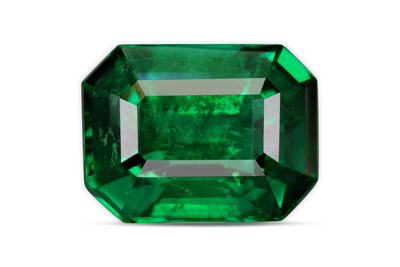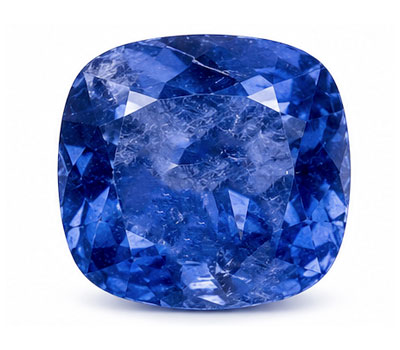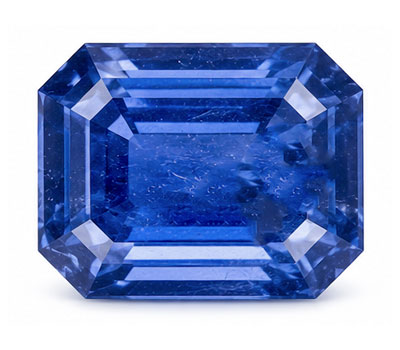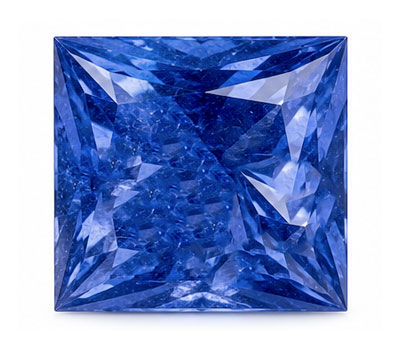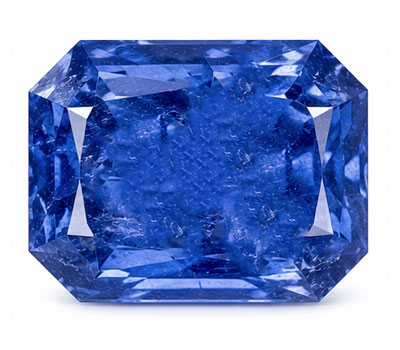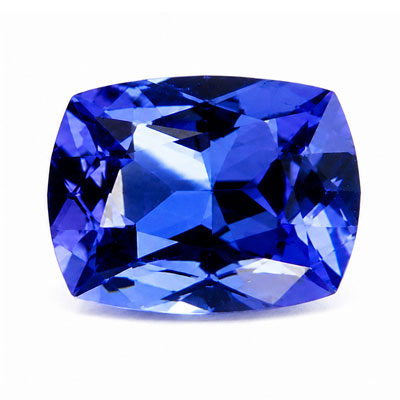
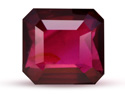
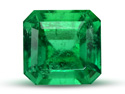
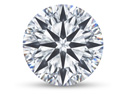
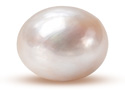
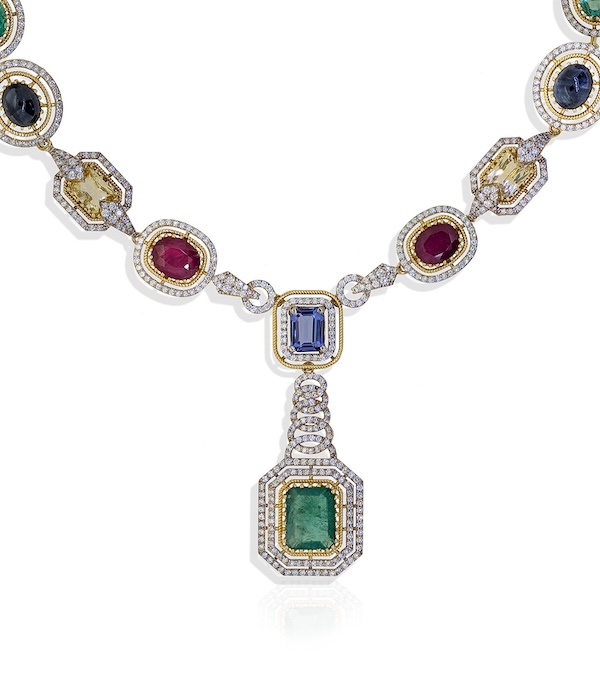

The 4 C's of colored gemstones.
Colored Gemstones
The 4C's
Understanding the 4Cs helps us compare colored gemstones more confidently by looking at their color, clarity, cut, and carat weight. It makes it easier to judge beauty, rarity, and value, helping us choose a gemstone that best matches our preference and budget.
The soul of every gemstone
Color
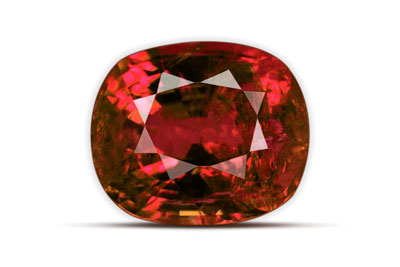
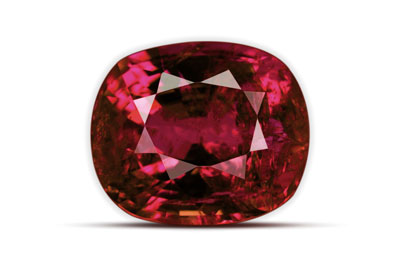
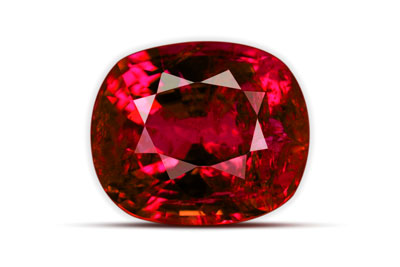
In colored gemstones, color is often the first thing that captures the heart. A rich, vibrant shade brings the gemstone to life - not too dark, not too light, but full of depth, brightness, and character.
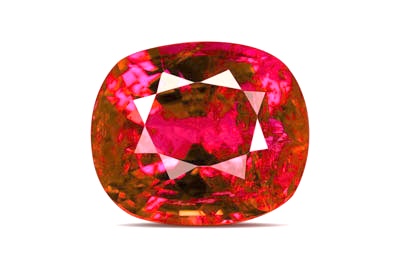
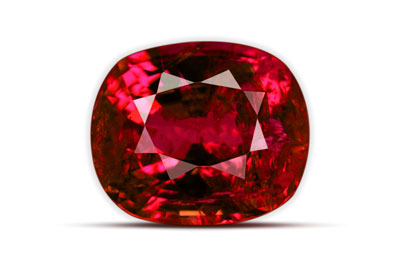
Color tones in Natural Ruby (Dark / Light)

Light
Red

Vivid
Red
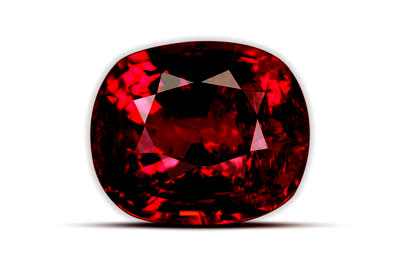
Dark
Red
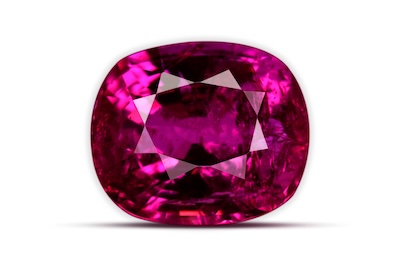
While pure, highly saturated colors are usually the most desired, beauty in gemstones is also deeply personal. Every ruby, sapphire, emerald, or other colored gemstone may carry its own unique undertone, and sometimes a customer may fall in love with a shade that feels more special to them. What truly matters is the intensity and vibrance of that color - the way it glows, feels alive, and connects with the person wearing it.
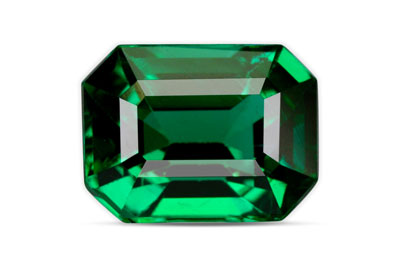
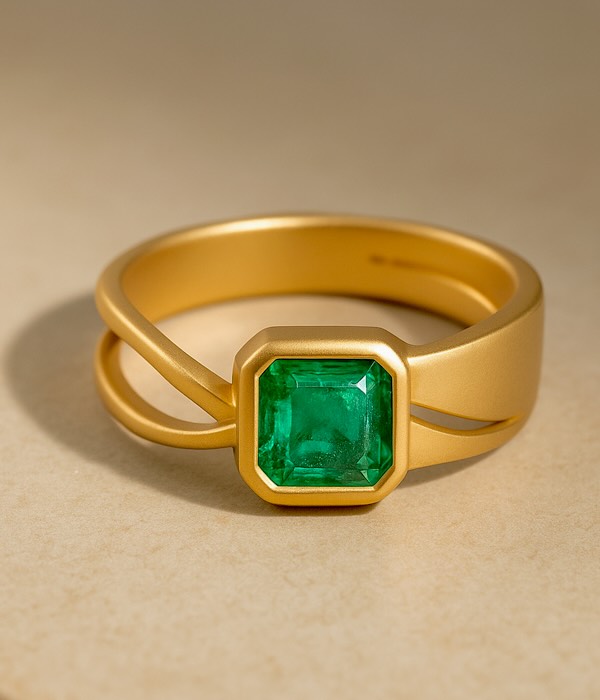
For example, a vivid green is considered the finest color in emeralds, but someone may be drawn to a beautiful teal-green emerald instead. The key is not only the shade itself, but how rich, lively, and expressive that shade appears.
Color shades in Natural Ruby (Hue)

Purplish or Pinkish
Red

Vivid
Red

Orangish
Red
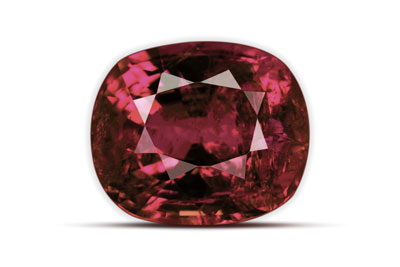
This is also why legendary origins such as Colombian emeralds, Burmese rubies, and Kashmir sapphires are so highly valued. These origins are admired for their intense, deeply saturated hues and exceptional vibrance, making them treasured choices for collectors and gemstone lovers alike.
Saturation & Vibrance in Natural Ruby

Dull
Red

Moderate
Red

Vivid
Red
Some of the most famously traded color terms, such as Pigeon Blood Red in rubies, Cornflower Blue and Royal Blue in sapphires, and Vivid Green in emeralds, are valued for the intensity and purity of their shades. These rich, highly saturated colors are naturally rare, especially when found in gemstones that are free from any enhancements.
Color tones in Natural Ruby (Dark / Light)

Light
Red

Vivid
Red

Dark
Red
Color shades in Natural Ruby (Hue)

Purplish or Pinkish
Red

Vivid
Red

Orangish
Red
Saturation & Vibrance in Natural Ruby

Dull
Red

Moderate
Red

Vivid
Red
The window to inner beauty
Clarity
Clarity in a gemstone is like looking into its inner world. It shows how clean and transparent the gemstone appears, depending on the presence of natural inclusions, fissures, or surface blemishes. When these characteristics are fewer or less visible, the gemstone usually appears more transparent, allowing light to pass through beautifully.
Every natural gemstone carries its own tiny marks from the earth. These inclusions are completely normal, and in many ways, they are a gemstone’s natural fingerprint - a sign that it was formed over millions of years, deep within nature. A gemstone does not always need to be perfectly clean to be beautiful. Sometimes, these natural features add character, depth, and uniqueness to the stone.
Clarity levels in Natural Emeralds

Eye Clean
Emerald

Mod. Included
Emerald
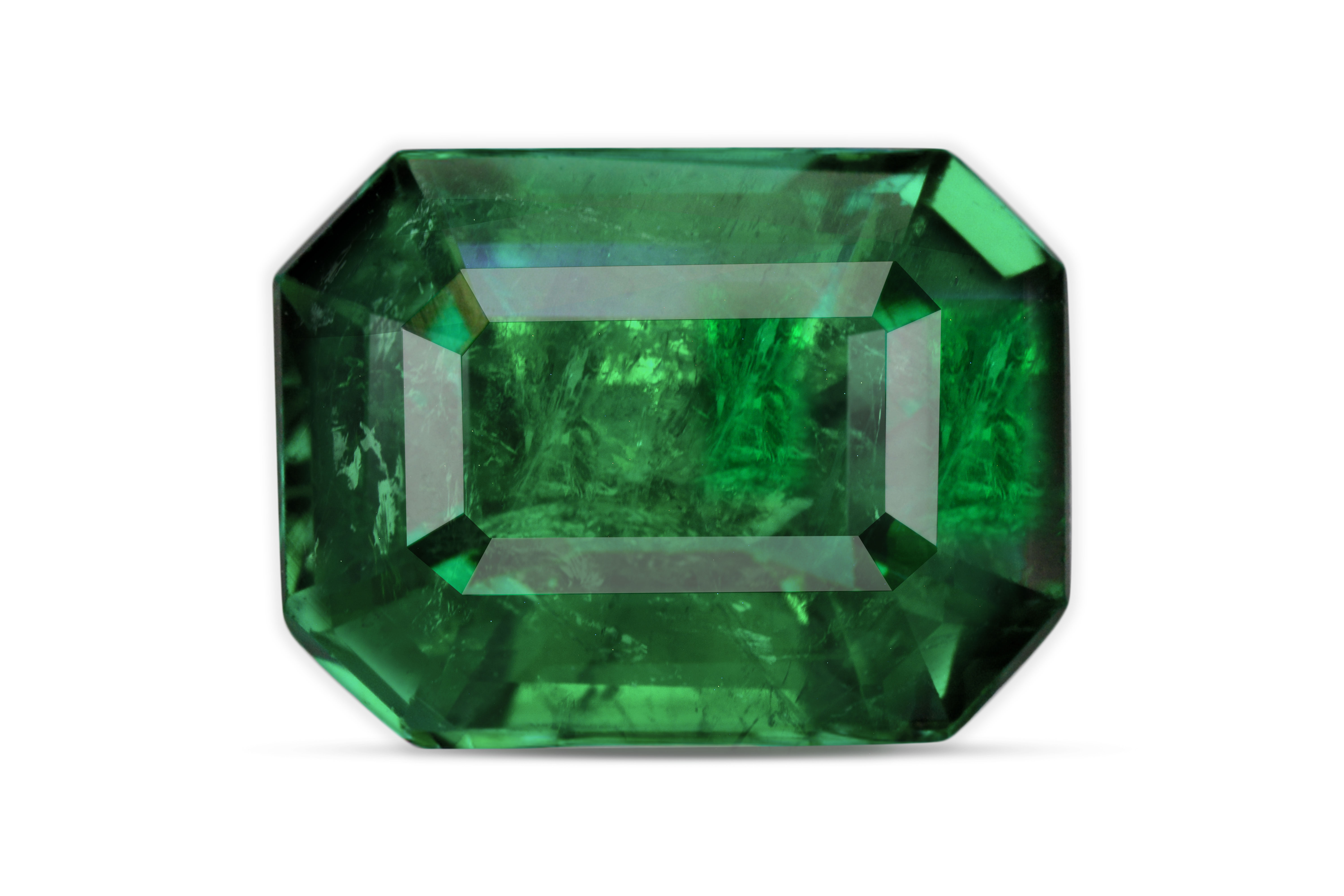
Included
Emerald
Higher clarity can improve a gemstone’s lustre, brilliance, reflections, and overall vibrance. Exceptionally clean gemstones are rare, which is why they often hold greater value, especially when combined with fine color and cut.
In the magical world of gemstones, some inclusions are not considered flaws at all — they are part of what makes the stone extraordinary. Fine parallel inclusions in Chrysoberyl Cat’s Eye create the famous cat’s eye effect. Similarly, fine internal features in Colombian emeralds, often described as Mariposa or Gota de Aceite, can give the gemstone a soft, silky, oil-like appearance. This beautiful visual effect is highly admired and can make such emeralds extremely rare and valuable.
So, clarity is not only about how clean a gemstone is - it is about how beautifully light, color, and nature come together inside it. For a customer, understanding clarity helps in appreciating not just the value of a gemstone, but also its story, personality, and natural beauty.
Clarity levels in Natural Emeralds

Eye Clean
Emerald

Moderately Included
Emerald

Included
Emerald
Eye-clean emeralds are extremely rare to find. Most natural emeralds usually fall into the moderately included category, as inclusions are a common part of their natural formation.
Precision that awakens beauty & brings life
Cut
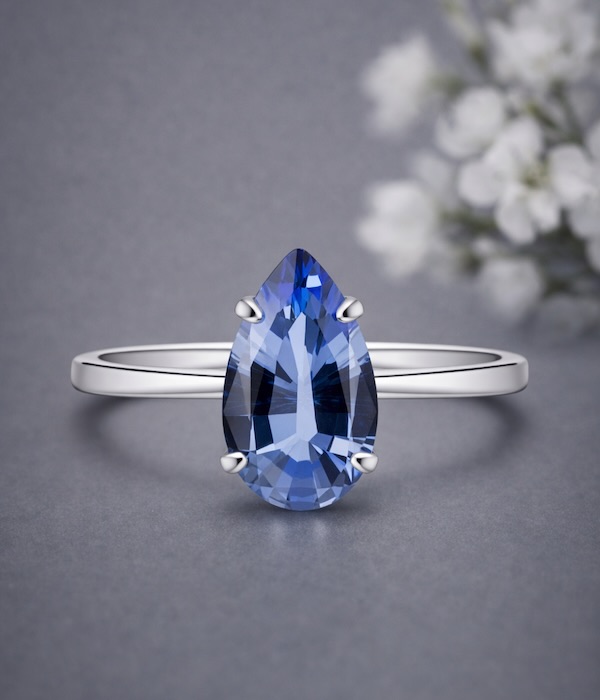
Cut is the factor where human skill brings a gemstone to life. While nature creates the color and clarity, it is the hands of a skilled cutter that decide how beautifully the gemstone will reflect light back to the eyes.
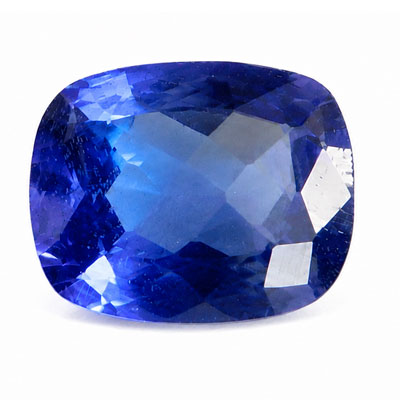
Cut also includes the shape and style of a gemstone, such as Oval, Octagon Radiant, Square Princess Cut, or Octagon Emerald Cut. These different shapes give each gemstone its own personality and allow customers to choose a style that beautifully matches their jewellery design, personal taste, and wearing preference.

Oval

Cushion

Emerald

Princess

Radiant
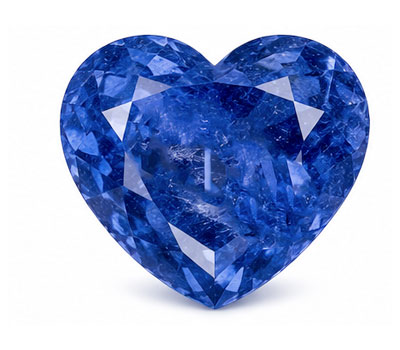
Heart
A gemstone cutter carefully studies each stone before cutting, balancing beauty, brilliance, and weight. Since precious gemstones are valuable in every fraction of a carat, the cutter must decide how much weight can be sacrificed to achieve better symmetry, reflection, and overall appearance.
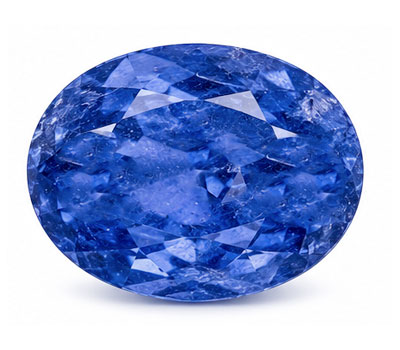
The Art that awakens Brilliance

Average Cut
Sapphire
(Before)

Precision Cut
Sapphire
(After)
A precision-cut gemstone usually has lower weight yield, because more material may be removed to improve its shape and light performance. This is why a finely cut gemstone can be more valuable than another gemstone with similar color and clarity but an average cut.
The cut directly affects how lively the gemstone looks. It influences the brilliance, lustre, reflections, and the way light moves through the stone - turning a beautiful gemstone into one that truly feels alive.
Cut Styles & Shapes

Oval

Cushion

Emerald

Princess

Radiant

Heart
The Art that awakens Brilliance

Average Cut
Sapphire
(Before)

Precision Cut
Sapphire
(After)
The weight of rarity
Carat
Carat is the standard unit used worldwide to measure the weight of a gemstone. In simple terms, it helps us understand the size and presence of the stone — how bold, delicate, or rare it feels when held or worn.
As the carat weight increases, gemstones become larger and much rarer. For example, finding a 1 carat eye-clean ruby is far easier than finding a 5 carat eye-clean ruby of similar quality. This rarity is why the value of fine gemstones often increases significantly with size. A higher carat gemstone is not just bigger in appearance - it carries a stronger sense of presence, rarity, and exclusivity. When combined with fine color, clarity, and cut, a larger gemstone becomes even more special and desirable.
It is also important to remember that “carat” in gemstones is different from “karat” used for gold purity. In gemstones, carat refers to weight, where 1 carat equals 200 milligrams.