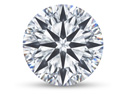
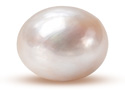

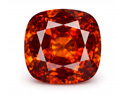
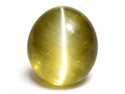

Are you searching online for a “gemstone shop near me” or trying to find reliable certified gemstones in Bangalore? Choosing a nearby store can be convenient, especially when you want to see the gemstone in person. However, distance should not be the most important factor when buying a valuable natural gemstone.
Whether you are purchasing a gemstone for Vedic astrology, fine jewellery, an engagement ring, gifting or collecting, the seller’s expertise and transparency matter far more than how close the shop is to your home.
Whether you are purchasing a gemstone for Vedic astrology, fine jewellery, an engagement ring, gifting or collecting, the seller’s expertise and transparency matter far more than how close the shop is to your home.
Buying Gemstones in Bangalore Is About More Than Convenience
Bengaluru has buyers coming from Jayanagar, Koramangala, HSR Layout, Indiranagar, Whitefield, Electronic City, JP Nagar, Sarjapur Road, Hebbal, Malleshwaram, Rajajinagar, Basavanagudi and many other parts of the city. These are well-known residential and commercial areas, but a gemstone buyer should be willing to travel beyond the nearest neighbourhood when the purchase requires specialist knowledge. (groups.commonfloor.com)
A gemstone may look attractive under showroom lighting, yet its long-term value depends on several factors: whether it is natural or synthetic, the treatments it has undergone, its colour, clarity, cut, origin, rarity and the reliability of its laboratory report.
For something that may be worn for years or passed through generations, a slightly longer journey to an experienced gemstone merchant can prevent a costly mistake.
A gemstone may look attractive under showroom lighting, yet its long-term value depends on several factors: whether it is natural or synthetic, the treatments it has undergone, its colour, clarity, cut, origin, rarity and the reliability of its laboratory report.
For something that may be worn for years or passed through generations, a slightly longer journey to an experienced gemstone merchant can prevent a costly mistake.
Ask Whether the Gemstone Is Natural, Synthetic or Imitation
The first question to ask is not simply, “Is this certified?” Ask:
Is the gemstone natural and earth-mined?
Synthetic gemstones may have essentially the same chemical composition as their natural counterparts, but they are created in laboratories rather than formed in the earth. Imitations may only resemble the gemstone visually and can be made from glass or other materials.
For high-end jewellery and collecting, many buyers prefer natural gemstones because natural formation, rarity and individual character contribute to their desirability. For Vedic astrology, astrology-focused buyers generally prefer natural gemstones rather than synthetic substitutes.
Is the gemstone natural and earth-mined?
Synthetic gemstones may have essentially the same chemical composition as their natural counterparts, but they are created in laboratories rather than formed in the earth. Imitations may only resemble the gemstone visually and can be made from glass or other materials.
For high-end jewellery and collecting, many buyers prefer natural gemstones because natural formation, rarity and individual character contribute to their desirability. For Vedic astrology, astrology-focused buyers generally prefer natural gemstones rather than synthetic substitutes.
Insist on Complete Treatment Disclosure
Many natural gemstones are treated to improve their colour, clarity or apparent beauty. A treatment does not automatically make a gemstone unsuitable for every buyer, but it should always be disclosed.
Common examples include:
* Heat treatment in rubies and sapphires
* Oil or resin filling in emeralds
* Glass filling in low-quality rubies
* Dyeing or impregnation in certain gemstone materials
* Irradiation or diffusion treatment in some varieties
Treatments can affect rarity, value, durability, jewellery care and buyer preference. For example, a heated sapphire may still be a beautiful choice for fine jewellery when colour and budget are the priorities. However, many buyers purchasing for Vedic astrology specifically seek untreated gemstones.
An ethical gem shop should clearly explain what is known about the treatment and how it affects the purchase—not hide behind attractive trade names.
Common examples include:
* Heat treatment in rubies and sapphires
* Oil or resin filling in emeralds
* Glass filling in low-quality rubies
* Dyeing or impregnation in certain gemstone materials
* Irradiation or diffusion treatment in some varieties
Treatments can affect rarity, value, durability, jewellery care and buyer preference. For example, a heated sapphire may still be a beautiful choice for fine jewellery when colour and budget are the priorities. However, many buyers purchasing for Vedic astrology specifically seek untreated gemstones.
An ethical gem shop should clearly explain what is known about the treatment and how it affects the purchase—not hide behind attractive trade names.
Be Careful with Misleading Trade Names
The gemstone market uses many informal or commercial names. Some are harmless descriptions, while others can create an inaccurate impression of quality or origin.
A low-quality, glass-filled ruby may occasionally be promoted using a name such as “Bangkok Ruby.” The name may sound premium, but it does not explain whether the material is natural, heavily treated, filled or durable enough for regular wear.
Similarly, a geographical name should not be treated as proof of origin unless the origin has been established through appropriate gemological testing. Ask the seller to use clear gemological language instead of depending only on marketing terminology.
A low-quality, glass-filled ruby may occasionally be promoted using a name such as “Bangkok Ruby.” The name may sound premium, but it does not explain whether the material is natural, heavily treated, filled or durable enough for regular wear.
Similarly, a geographical name should not be treated as proof of origin unless the origin has been established through appropriate gemological testing. Ask the seller to use clear gemological language instead of depending only on marketing terminology.
A Certificate Is Useful Only When the Laboratory Is Reliable
Many buyers assume that any laminated gemstone certificate guarantees authenticity. Unfortunately, the quality of gem-testing laboratories varies considerably.
A useful report should identify the gemstone and, where testing permits, disclose important treatments. Depending on the value of the gemstone, buyers may consider reports from recognised laboratories with appropriate gemological expertise and equipment.
The report should also match the gemstone being purchased. Check its weight, measurements, colour description, photograph, report number and identifying characteristics. Where online verification is available, verify the report through the laboratory’s official system.
For a significant purchase, you can also ask whether an additional report from a reputed independent laboratory is available. The cost and choice of laboratory should remain proportionate to the gemstone’s value.
A useful report should identify the gemstone and, where testing permits, disclose important treatments. Depending on the value of the gemstone, buyers may consider reports from recognised laboratories with appropriate gemological expertise and equipment.
The report should also match the gemstone being purchased. Check its weight, measurements, colour description, photograph, report number and identifying characteristics. Where online verification is available, verify the report through the laboratory’s official system.
For a significant purchase, you can also ask whether an additional report from a reputed independent laboratory is available. The cost and choice of laboratory should remain proportionate to the gemstone’s value.
Jewellery Experience Is Not Always Gemstone Expertise
A jeweller may be highly skilled in gold, diamond setting or jewellery manufacturing but may not specialise in coloured gemstone identification. Even an honest jeweller can unknowingly purchase a treated or incorrectly represented stone from another dealer.
An experienced gemstone merchant should be able to discuss:
* Natural versus synthetic material
* Visible inclusions and transparency
* Known or suspected treatments
* Colour quality and zoning
* Cut, proportions and windowing
* Durability and jewellery suitability
* Certification options
* Value in relation to quality
This becomes especially important for rubies, sapphires and emeralds, where visually similar stones can have very different values because of treatments, origin opinions and overall quality.
An experienced gemstone merchant should be able to discuss:
* Natural versus synthetic material
* Visible inclusions and transparency
* Known or suspected treatments
* Colour quality and zoning
* Cut, proportions and windowing
* Durability and jewellery suitability
* Certification options
* Value in relation to quality
This becomes especially important for rubies, sapphires and emeralds, where visually similar stones can have very different values because of treatments, origin opinions and overall quality.
Compare Quality, Not Just Carat Weight and Price
Local buyers sometimes compare two gemstones only by price per carat. This can be misleading because no two natural coloured gemstones are exactly alike.
A larger stone is not necessarily better. A smaller gemstone with attractive colour, good transparency and a balanced cut may be more beautiful and desirable than a larger stone with weak colour, excessive inclusions or poor proportions.
Ask to examine the gemstone in neutral lighting rather than relying only on bright showroom spotlights. Look at it from different angles and request close-up videos when comparing products before visiting the store.
A larger stone is not necessarily better. A smaller gemstone with attractive colour, good transparency and a balanced cut may be more beautiful and desirable than a larger stone with weak colour, excessive inclusions or poor proportions.
Ask to examine the gemstone in neutral lighting rather than relying only on bright showroom spotlights. Look at it from different angles and request close-up videos when comparing products before visiting the store.
Why Buyers Across Bengaluru Visit Nine Gems
Nine Gems serves gemstone buyers from across Bangalore, including Central, South, East and North Bengaluru. The focus is on natural gemstones, careful selection, customer education, transparent pricing and disclosure of known treatments and enhancements.
Gemstones are offered with reports according to the product and certification option. Buyers considering a significant purchase may also discuss additional testing from recognised third-party laboratories. Nine Gems provides a report-verification facility for applicable reports and encourages customers to understand the gemstone before completing their purchase.
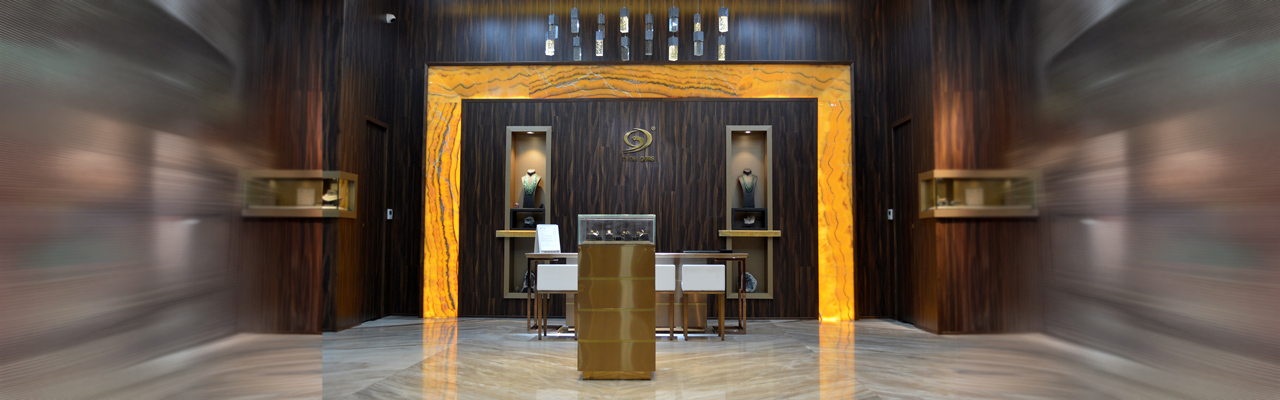
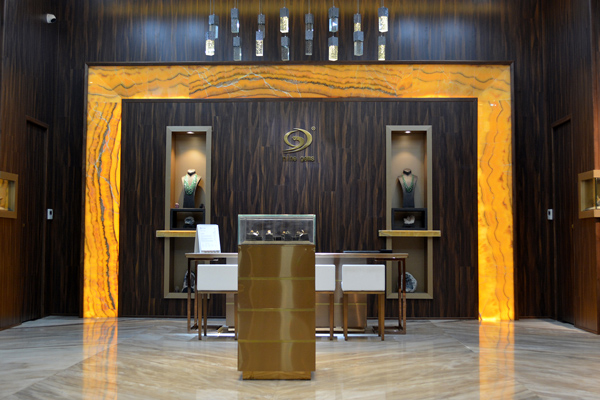
Nine Gems store is located at 49, Chick Bazaar Road, Tasker Town, Bangalore 560051, Karnataka, India. A prior appointment is required so our team can give each customer complete attention, sufficient consultation time and a more personalised gemstone-buying experience. Nine Gems is the trade name of Kimberlite Facets Private Limited.
Gemstones are offered with reports according to the product and certification option. Buyers considering a significant purchase may also discuss additional testing from recognised third-party laboratories. Nine Gems provides a report-verification facility for applicable reports and encourages customers to understand the gemstone before completing their purchase.
Nine Gems store is located at 49, Chick Bazaar Road, Tasker Town, Bangalore 560051, Karnataka, India. A prior appointment is required so our team can give each customer complete attention, sufficient consultation time and a more personalised gemstone-buying experience. Nine Gems is the trade name of Kimberlite Facets Private Limited.
Questions to Ask Before Buying from a Nearby Gem Shop
Before making your decision, ask the seller:
1. Is this a natural, earth-mined gemstone?
2. Has it undergone any treatment or enhancement?
3. Does the report disclose major treatments?
4. Can the report number be independently verified?
5. Why is this gemstone priced higher or lower than similar stones?
6. Is it suitable for regular jewellery wear?
7. Can I obtain an additional report from a reputed laboratory?
8. What is the return, exchange or buy-back policy?
Clear answers demonstrate greater professionalism than statements such as “100% original” without supporting information.
1. Is this a natural, earth-mined gemstone?
2. Has it undergone any treatment or enhancement?
3. Does the report disclose major treatments?
4. Can the report number be independently verified?
5. Why is this gemstone priced higher or lower than similar stones?
6. Is it suitable for regular jewellery wear?
7. Can I obtain an additional report from a reputed laboratory?
8. What is the return, exchange or buy-back policy?
Clear answers demonstrate greater professionalism than statements such as “100% original” without supporting information.
Choose Trust Before Proximity
Searching for a nearby gem shop in Bangalore is a useful starting point, but your final decision should be based on expertise, disclosure and confidence.
A natural gemstone is more than a decorative product. It may represent an important personal belief, an engagement, a milestone gift, a family heirloom or a valuable addition to a collection. The right seller should respect that emotion and help you understand exactly what you are buying.
Explore natural gemstones at Nine Gems, read the Gemstone Buyer’s Guide, or book an appointment to compare suitable gemstones in person at the Bengaluru store. Nine Gems’ published brand information emphasises natural gemstones, gemological selection, disclosure, certification options and customer education.
A natural gemstone is more than a decorative product. It may represent an important personal belief, an engagement, a milestone gift, a family heirloom or a valuable addition to a collection. The right seller should respect that emotion and help you understand exactly what you are buying.
Explore natural gemstones at Nine Gems, read the Gemstone Buyer’s Guide, or book an appointment to compare suitable gemstones in person at the Bengaluru store. Nine Gems’ published brand information emphasises natural gemstones, gemological selection, disclosure, certification options and customer education.
Frequently Asked Questions
Where can I buy certified gemstones in Bangalore?
Choose a specialist gemstone merchant that clearly identifies the stone, discloses known treatments and offers an appropriate laboratory report. Do not select a shop solely because it is nearby or because it uses the word “certified.”
Are all certified gemstones natural?
No. A laboratory report may identify a gemstone as natural, synthetic or imitation. Read the complete result rather than assuming that the existence of a certificate means the stone is natural and untreated.
Are treated gemstones always bad?
No. Some accepted treatments can produce attractive gemstones suitable for jewellery. However, treatment must be disclosed because it may influence rarity, price, care requirements and buyer preference.
Should I buy a gemstone from a jewellery shop or a gemstone specialist?
Both may be trustworthy, but specialist gemstone knowledge is valuable when assessing coloured stones, treatments, inclusions, certification and quality differences. Ask detailed questions before deciding.
Do I need an appointment to visit Nine Gems Bengaluru?
Yes, A prior appointment is required so our team can give every customer complete attention, sufficient consultation time and personalised gemstone selection guidance. You can book an appointment online or explore Nine Gems’ contact, gemstone authenticity, pricing and policy pages for further information.
Related Links
Written by Sanjay Jain, FGA (Gemologist)
About the Author: Sanjay Jain is a Fellow of the Gemmological Association of Great Britain (FGA) and completed his professional gemology education with Gem-A, UK, in 2011. With extensive experience in natural coloured gemstones, he focuses on gemstone identification, quality evaluation, treatments, certification and practical buying guidance. Through his articles, he aims to simplify gemological concepts and help consumers make informed and transparent gemstone-buying decisions.