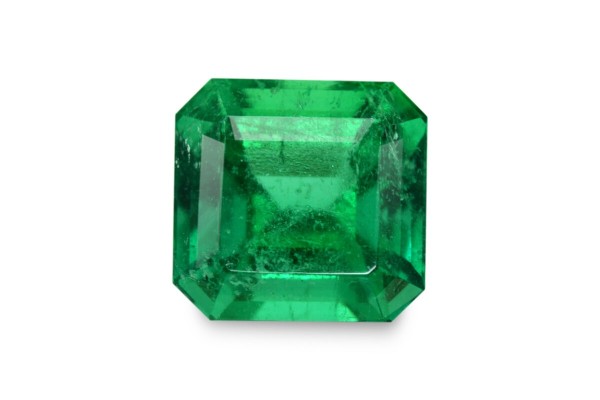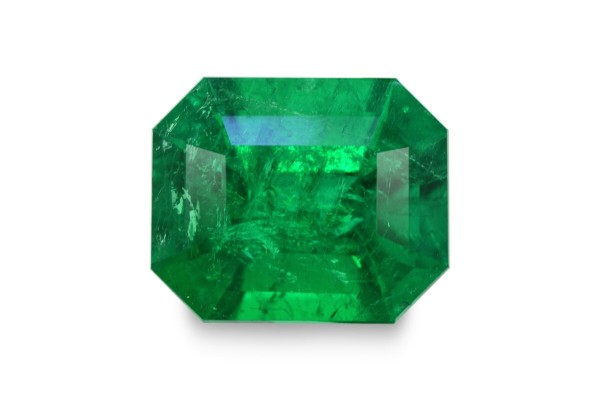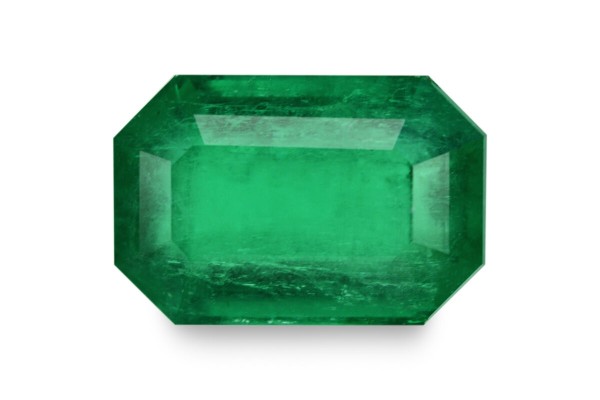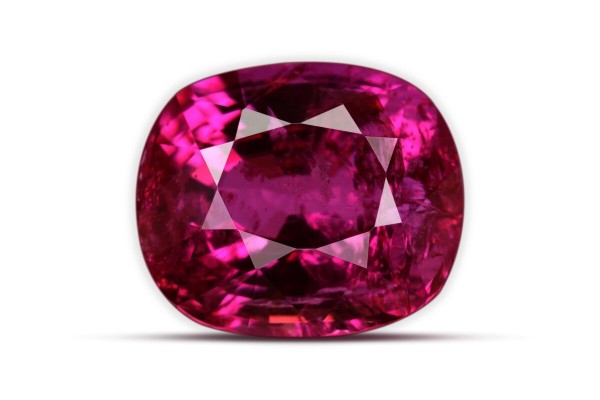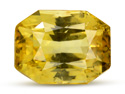
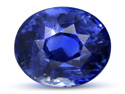
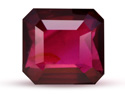
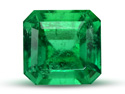
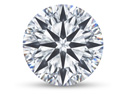
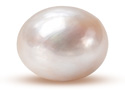

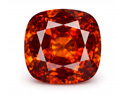
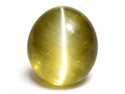

Buying gemstones online offers convenience, wider choice and the ability to compare multiple stones from home. However, a gemstone is not a standardised product. Two stones of the same variety and carat weight can differ greatly in colour, clarity, treatment, cut, origin, rarity and overall value.
For Vedic astrology buyers, collectors, jewellery buyers and anyone making a meaningful purchase, choosing the right seller is just as important as choosing the gemstone. A professional website or attractive certificate alone should not be treated as proof of quality.
Here are the most important things to consider before buying from an online gemstone portal.
For Vedic astrology buyers, collectors, jewellery buyers and anyone making a meaningful purchase, choosing the right seller is just as important as choosing the gemstone. A professional website or attractive certificate alone should not be treated as proof of quality.
Here are the most important things to consider before buying from an online gemstone portal.
1. Research the Gemstone Before Comparing Sellers
Begin by learning the basic characteristics of the gemstone you intend to buy. Understand the desirable colour range, common inclusions, typical treatments, durability and the factors that influence its price.
For example, colour may be more important than absolute clarity in many coloured gemstones. A naturally included stone with an attractive colour and good transparency may be more desirable than a cleaner-looking stone that has undergone a significant treatment.
For astrological use, consult a knowledgeable astrologer regarding the gemstone variety and suitable weight. The seller should help you understand the stone’s gemological characteristics, but astrological suitability should be evaluated separately. Gemstone-related outcomes are based on traditional Vedic astrology beliefs and should not be presented as guaranteed results.
For example, colour may be more important than absolute clarity in many coloured gemstones. A naturally included stone with an attractive colour and good transparency may be more desirable than a cleaner-looking stone that has undergone a significant treatment.
For astrological use, consult a knowledgeable astrologer regarding the gemstone variety and suitable weight. The seller should help you understand the stone’s gemological characteristics, but astrological suitability should be evaluated separately. Gemstone-related outcomes are based on traditional Vedic astrology beliefs and should not be presented as guaranteed results.
2. Check the Seller’s Reputation Beyond Its Own Website
Do not rely only on testimonials displayed on the seller’s website. Check independent platforms such as Google Reviews, Facebook and other established local review channels.
Look beyond the overall star rating. Read recent reviews and observe how the business responds to complaints, certification concerns, returns and product-quality issues.
Also verify:
* How long the business has been operating
* Whether its legal name, address and contact details are clearly disclosed
* Whether it has a real physical store or office
* Whether customers can speak with a knowledgeable team member
* Whether the seller provides proper invoices and written policies
A genuine offline presence does not automatically guarantee quality, but it gives buyers an additional point of verification and accountability.
Look beyond the overall star rating. Read recent reviews and observe how the business responds to complaints, certification concerns, returns and product-quality issues.
Also verify:
* How long the business has been operating
* Whether its legal name, address and contact details are clearly disclosed
* Whether it has a real physical store or office
* Whether customers can speak with a knowledgeable team member
* Whether the seller provides proper invoices and written policies
A genuine offline presence does not automatically guarantee quality, but it gives buyers an additional point of verification and accountability.
3. Confirm Whether the Gemstone Is Actually Available
Many online gemstone portals operate as aggregators or resellers. They may display gemstones belonging to wholesalers, stockists or third-party suppliers and add their own margin after receiving an enquiry.
This business model is not necessarily improper, but buyers should understand who physically possesses and has examined the stone.
Before paying, ask:
* Is this exact gemstone currently in your possession?
* Can you share a fresh photograph or video with today’s date or a reference number?
* Can I view the gemstone during a video call?
* Is it available at your physical store for inspection?
* Has your gemologist personally examined it?
Fresh images or a live video can help confirm that the gemstone is genuinely available rather than merely listed from an external inventory.
This business model is not necessarily improper, but buyers should understand who physically possesses and has examined the stone.
Before paying, ask:
* Is this exact gemstone currently in your possession?
* Can you share a fresh photograph or video with today’s date or a reference number?
* Can I view the gemstone during a video call?
* Is it available at your physical store for inspection?
* Has your gemologist personally examined it?
Fresh images or a live video can help confirm that the gemstone is genuinely available rather than merely listed from an external inventory.
4. Insist on Photographs of the Exact Gemstone
Coloured gemstones cannot be judged reliably through generic or stock photographs. Each natural gemstone has an individual combination of colour, inclusions, proportions and character.
The product page should ideally show:
* Multiple angles of the actual gemstone
* Front and back views
* Close-up images
* A video showing movement and brilliance
* The stone against a neutral background
* Its dimensions and carat weight
Be cautious if many different listings use identical photographs. Lighting, white balance, editing and screen settings can also alter how colour appears. Ask whether the images have been heavily enhanced and request a natural-light video when colour is especially important.
The product page should ideally show:
* Multiple angles of the actual gemstone
* Front and back views
* Close-up images
* A video showing movement and brilliance
* The stone against a neutral background
* Its dimensions and carat weight
Be cautious if many different listings use identical photographs. Lighting, white balance, editing and screen settings can also alter how colour appears. Ask whether the images have been heavily enhanced and request a natural-light video when colour is especially important.
5. Check Treatment and Enhancement Disclosure
Many gemstones are treated to improve colour, clarity or durability. An enhanced stone may still be natural, but its treatment can significantly affect rarity, value, care requirements and buyer preference.
Common examples include heating, fracture filling, oiling, dyeing, irradiation and diffusion. Some treatments are widely accepted in the jewellery market, while others can substantially reduce desirability or require special care.
The seller should clearly disclose:
* Whether the gemstone is natural or synthetic
* Whether any treatment has been detected
* The type of treatment, where identifiable
* Whether the treatment is stable
* Whether it requires special care
* Whether the treatment appears on the laboratory report
Many astrology-focused buyers prefer natural gemstones without significant enhancement. Jewellery buyers may consider certain treated gemstones when beauty and budget are the main priorities, provided the treatment is honestly disclosed.
Common examples include heating, fracture filling, oiling, dyeing, irradiation and diffusion. Some treatments are widely accepted in the jewellery market, while others can substantially reduce desirability or require special care.
The seller should clearly disclose:
* Whether the gemstone is natural or synthetic
* Whether any treatment has been detected
* The type of treatment, where identifiable
* Whether the treatment is stable
* Whether it requires special care
* Whether the treatment appears on the laboratory report
Many astrology-focused buyers prefer natural gemstones without significant enhancement. Jewellery buyers may consider certain treated gemstones when beauty and budget are the main priorities, provided the treatment is honestly disclosed.
6. Evaluate the Laboratory, Not Just the Certificate
A laminated report does not automatically make a gemstone trustworthy. The credibility of the laboratory, the tests performed and the information disclosed are more important than the mere presence of a certificate.
Check whether the report mentions:
* Natural or synthetic identity
* Gemstone species and variety
* Weight and measurements
* Detected treatments
* Origin opinion, where tested and applicable
* Report number and verification method
For important purchases, consider reports from established laboratories with relevant testing capabilities. Depending on the gemstone and value, reports may be available from laboratories such as GIA, GII, IIGJ, IGI, GIC, GRS, SSEF, Gübelin, DANAT or other recognised institutions.
The laboratory should ideally offer online report verification. For a high-value purchase, ask whether the stone can be submitted to a mutually agreed independent laboratory before the sale is finalised.
Check whether the report mentions:
* Natural or synthetic identity
* Gemstone species and variety
* Weight and measurements
* Detected treatments
* Origin opinion, where tested and applicable
* Report number and verification method
For important purchases, consider reports from established laboratories with relevant testing capabilities. Depending on the gemstone and value, reports may be available from laboratories such as GIA, GII, IIGJ, IGI, GIC, GRS, SSEF, Gübelin, DANAT or other recognised institutions.
The laboratory should ideally offer online report verification. For a high-value purchase, ask whether the stone can be submitted to a mutually agreed independent laboratory before the sale is finalised.
7. Compare Quality, Not Only Price Per Carat
The lowest price is rarely the best way to select a gemstone. A stone may be cheaper because of weak colour, poor transparency, an uneven cut, significant treatment, surface damage or low overall quality.
When comparing gemstones, consider:
* Colour quality and evenness
* Transparency and clarity
* Cut, symmetry and proportions
* Carat weight and dimensions
* Treatment status
* Origin, when reliably established
* Laboratory report
* Rarity and overall beauty
Gemstone prices can rise sharply with small improvements in quality because fine natural material is considerably rarer than commercial-grade material. Comparing two stones only by carat weight can therefore be misleading.
When comparing gemstones, consider:
* Colour quality and evenness
* Transparency and clarity
* Cut, symmetry and proportions
* Carat weight and dimensions
* Treatment status
* Origin, when reliably established
* Laboratory report
* Rarity and overall beauty
Gemstone prices can rise sharply with small improvements in quality because fine natural material is considerably rarer than commercial-grade material. Comparing two stones only by carat weight can therefore be misleading.
8. Consider Visiting the Seller’s Store
Whenever practical, visit the seller’s physical store before making the final decision, especially when the gemstone represents a significant personal or financial purchase.
Seeing the stone in person allows you to evaluate its colour under different lighting conditions, compare several options and understand how it may appear once mounted in jewellery.
Before travelling, confirm that the exact gemstones shown online are physically available at the store. Some portals advertise large online inventories that may not actually be present at their premises.
When an in-person visit is not possible, request a detailed video consultation and ask the seller to compare shortlisted stones side by side.
Seeing the stone in person allows you to evaluate its colour under different lighting conditions, compare several options and understand how it may appear once mounted in jewellery.
Before travelling, confirm that the exact gemstones shown online are physically available at the store. Some portals advertise large online inventories that may not actually be present at their premises.
When an in-person visit is not possible, request a detailed video consultation and ask the seller to compare shortlisted stones side by side.
9. Use a Secure and Traceable Payment Method
Pay through a secure website and use a traceable payment method such as a recognised payment gateway, credit card or verified bank transfer to the legal business entity.
Confirm that:
* The website uses HTTPS
* The payment recipient matches the seller’s legal identity
* A proper invoice will be issued
* GST and other applicable charges are clearly stated
* Payment instructions come through an official communication channel
Avoid transferring money to unrelated personal accounts without understanding why the seller is requesting it.
Confirm that:
* The website uses HTTPS
* The payment recipient matches the seller’s legal identity
* A proper invoice will be issued
* GST and other applicable charges are clearly stated
* Payment instructions come through an official communication channel
Avoid transferring money to unrelated personal accounts without understanding why the seller is requesting it.
10. Read the Return, Exchange and Buy-Back Policies
A gemstone may look different in person because screens and photography cannot reproduce colour perfectly. Read the return policy before paying, not after receiving the stone.
Check:
* Number of days allowed for return
* Whether the inspection period begins from delivery
* Conditions regarding tags, seals and certificates
* Whether certification charges are refundable
* Whether customised jewellery can be returned
* Who pays return shipping and insurance
* Whether deductions or restocking fees apply
* Whether buy-back or exchange is available
Save the product listing, invoice, certificate and written communication until the inspection period has ended.
Check:
* Number of days allowed for return
* Whether the inspection period begins from delivery
* Conditions regarding tags, seals and certificates
* Whether certification charges are refundable
* Whether customised jewellery can be returned
* Who pays return shipping and insurance
* Whether deductions or restocking fees apply
* Whether buy-back or exchange is available
Save the product listing, invoice, certificate and written communication until the inspection period has ended.
A Safer Way to Buy Gemstones Online
Buying gemstones online can be safe when the seller provides actual-product images, complete treatment disclosure, credible laboratory reports, secure payment options and a clear return policy. The best gemstone portals do not pressure buyers into making an immediate decision. They make it easier to ask questions, compare stones and independently verify important claims.
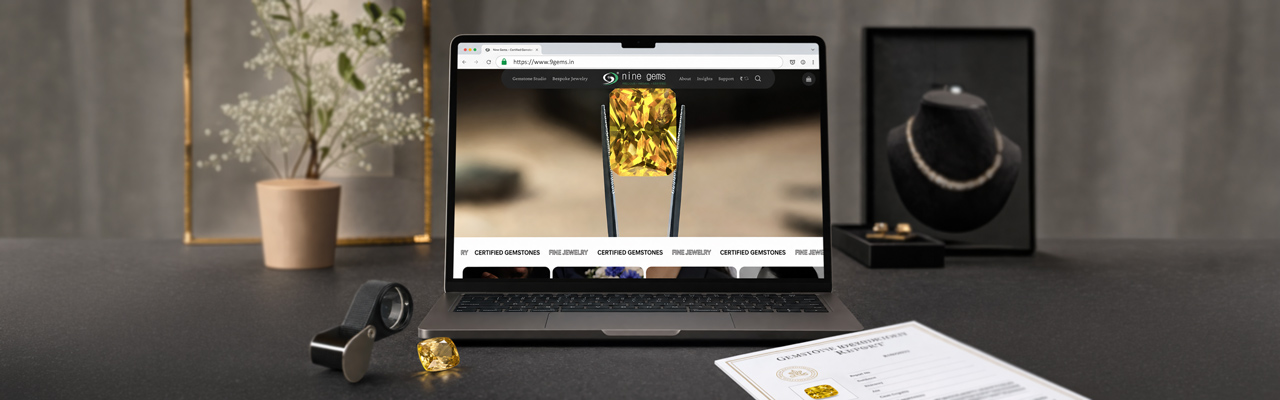
Nine Gems offers natural coloured gemstones and diamonds for astrological, jewellery, gifting and collecting requirements. The brand operates under Kimberlite Facets Private Limited and has a physical gemstone store in Bengaluru. Customers can explore stones online, request certification guidance or book an appointment to examine available gemstones personally.
Nine Gems states that its gemstone-selection process focuses on authenticity, disclosure, grading and careful sourcing, with third-party laboratory certification available for qualifying gemstones.
Explore the Gemstone Buyer’s Guide, learn about Gem Authenticity, review the Delivery and Return Policy, or book an appointment before finalising an important gemstone purchase. Relevant Nine Gems information and category links are available through its official website resources.
Nine Gems offers natural coloured gemstones and diamonds for astrological, jewellery, gifting and collecting requirements. The brand operates under Kimberlite Facets Private Limited and has a physical gemstone store in Bengaluru. Customers can explore stones online, request certification guidance or book an appointment to examine available gemstones personally.
Nine Gems states that its gemstone-selection process focuses on authenticity, disclosure, grading and careful sourcing, with third-party laboratory certification available for qualifying gemstones.
Explore the Gemstone Buyer’s Guide, learn about Gem Authenticity, review the Delivery and Return Policy, or book an appointment before finalising an important gemstone purchase. Relevant Nine Gems information and category links are available through its official website resources.
Frequently Asked Questions
Is it safe to buy gemstones online?
It can be safe when the seller is transparent about the exact gemstone, treatments, certification, payment process and return policy. Buyers should independently verify important claims instead of relying only on website descriptions.
Why do similar gemstones have very different prices?
Gemstone prices depend on colour, transparency, clarity, cut, size, treatment, rarity, origin and certification. Two stones with the same name and carat weight may therefore have very different values.
Should I visit the store before buying a gemstone online?
For a significant purchase, an in-person visit is useful whenever possible. It allows you to examine the exact gemstone, compare alternatives and understand how its colour appears under different lighting conditions.
Written by Sanjay Jain, FGA (Gemologist)
About the Author: Sanjay Jain is a Fellow of the Gemmological Association of Great Britain (FGA) and completed his professional gemology education with Gem-A, UK, in 2011. With extensive experience in natural coloured gemstones, he focuses on gemstone identification, quality evaluation, treatments, certification and practical buying guidance. Through his articles, he aims to simplify gemological concepts and help consumers make informed and transparent gemstone-buying decisions.