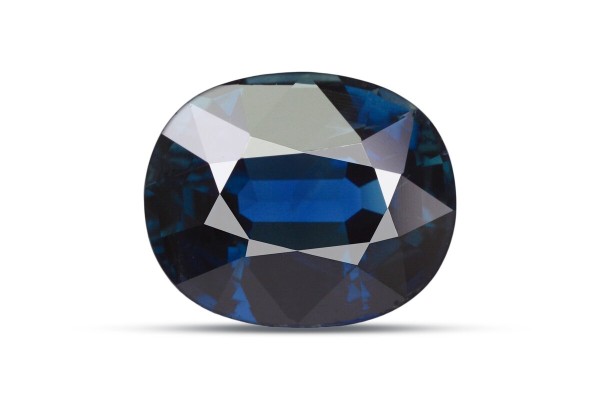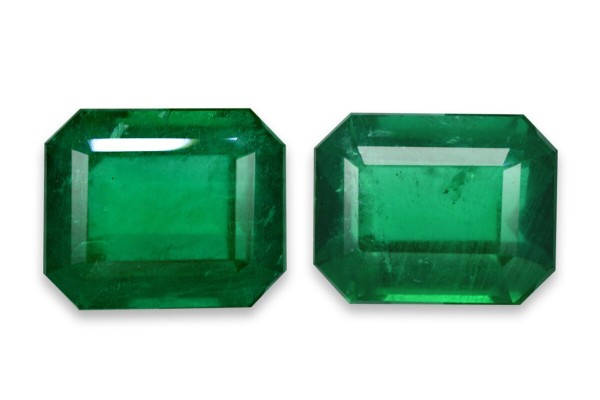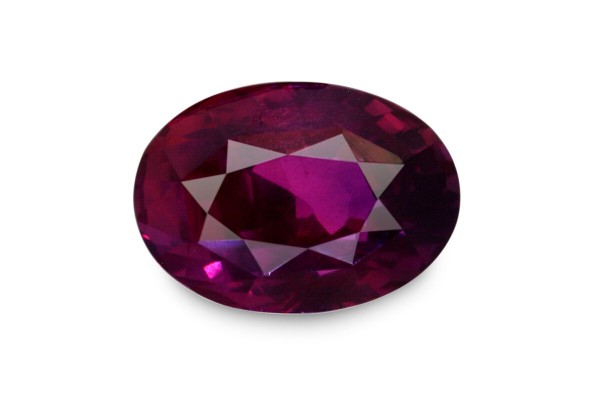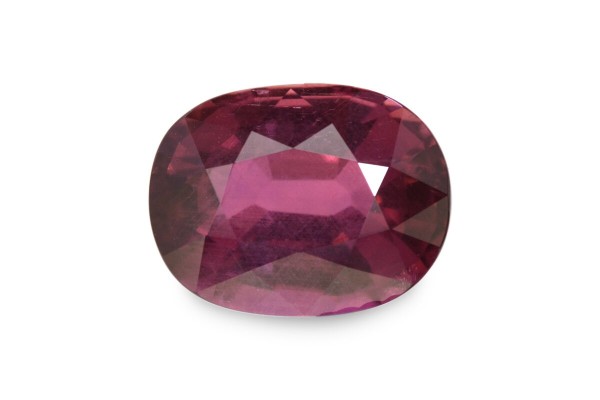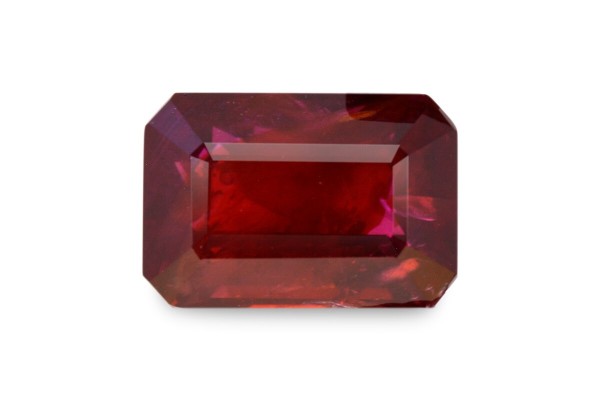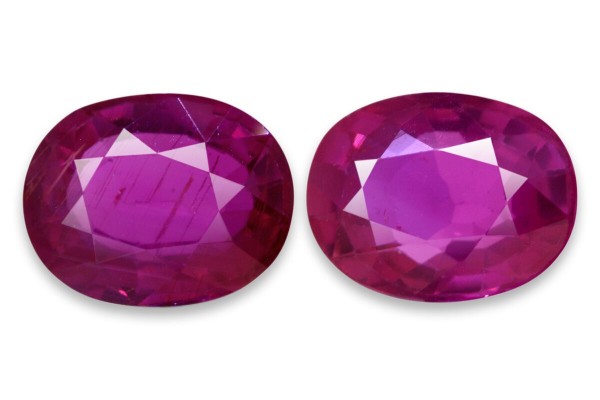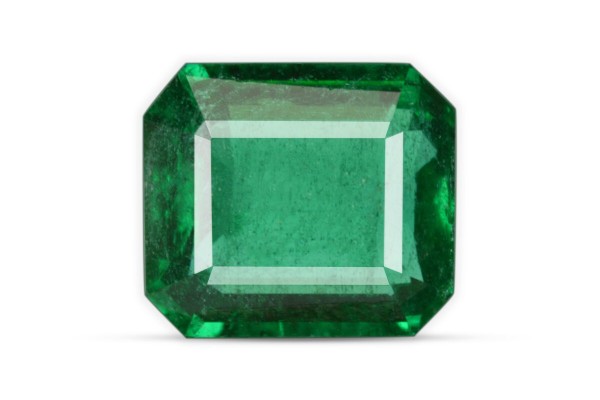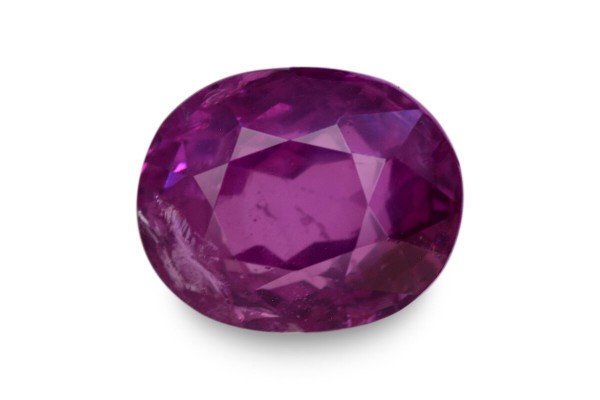
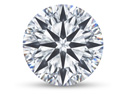
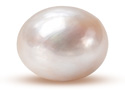

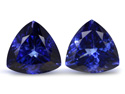
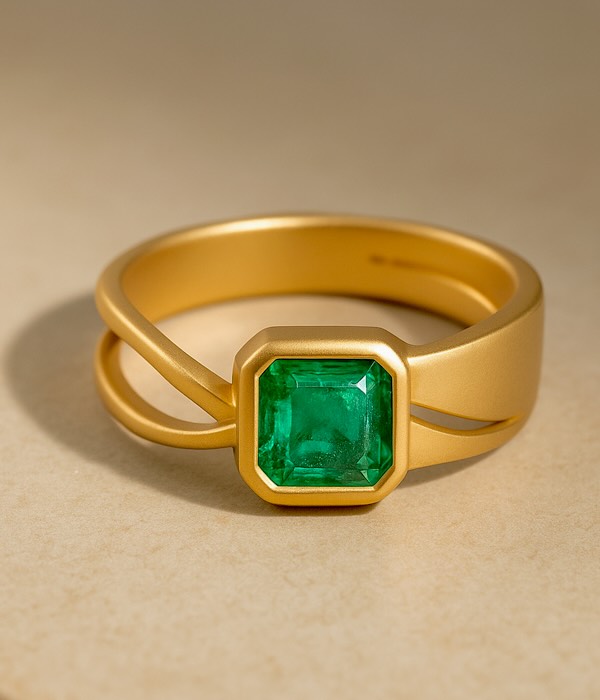

Many buyers know that both natural and synthetic gemstones exist, but the real confusion begins when both look almost the same. If a synthetic ruby looks red and beautiful, why is a natural ruby more valuable? If a lab-created sapphire has similar hardness and colour, why do astrology buyers, collectors, and fine jewellery buyers still prefer natural gemstones?
The answer is simple: a gemstone is not valued only for how it looks. It is valued for its natural origin, rarity, formation journey, emotional meaning, market acceptance, and purpose of use. A natural gemstone is formed inside the earth over a long period of time, while a synthetic gemstone is created in a laboratory. Both may share similar chemical or physical properties, but they do not carry the same rarity, natural identity, emotional value, or traditional importance.
For a normal jewellery buyer, this difference affects price and long-term desirability. For a Vedic astrology buyer, it affects the very purpose of wearing the gemstone. For an engagement ring or high-end jewellery buyer, it affects the emotional and luxury value of the piece.
The answer is simple: a gemstone is not valued only for how it looks. It is valued for its natural origin, rarity, formation journey, emotional meaning, market acceptance, and purpose of use. A natural gemstone is formed inside the earth over a long period of time, while a synthetic gemstone is created in a laboratory. Both may share similar chemical or physical properties, but they do not carry the same rarity, natural identity, emotional value, or traditional importance.
For a normal jewellery buyer, this difference affects price and long-term desirability. For a Vedic astrology buyer, it affects the very purpose of wearing the gemstone. For an engagement ring or high-end jewellery buyer, it affects the emotional and luxury value of the piece.
What Are Natural Gemstones?
Natural gemstones are gemstones formed by nature without human involvement. They are found in the earth, mined, cut, polished, and then used in jewellery or collected as rare natural treasures. Examples include ruby, sapphire, emerald, diamond, aquamarine, garnet, and many other mineral-origin gemstones.
Some gemstones are organic in origin, meaning they come from living or once-living natural sources. Pearl, coral, and amber are examples of organic gemstones. Whether mineral or organic, the important point is that a natural gemstone has a natural formation story.
This natural formation is what makes every earth-mined gemstone unique. No two natural coloured gemstones are exactly identical. Their colour, inclusions, crystal growth patterns, clarity, and character differ from piece to piece. This individuality is one of the main reasons natural gemstones feel personal, emotional, and meaningful. Nine Gems also highlights that coloured gemstones allow people to express personal taste and choose a gemstone that holds meaning for them.
Some gemstones are organic in origin, meaning they come from living or once-living natural sources. Pearl, coral, and amber are examples of organic gemstones. Whether mineral or organic, the important point is that a natural gemstone has a natural formation story.
This natural formation is what makes every earth-mined gemstone unique. No two natural coloured gemstones are exactly identical. Their colour, inclusions, crystal growth patterns, clarity, and character differ from piece to piece. This individuality is one of the main reasons natural gemstones feel personal, emotional, and meaningful. Nine Gems also highlights that coloured gemstones allow people to express personal taste and choose a gemstone that holds meaning for them.
What Are Synthetic Gemstones?
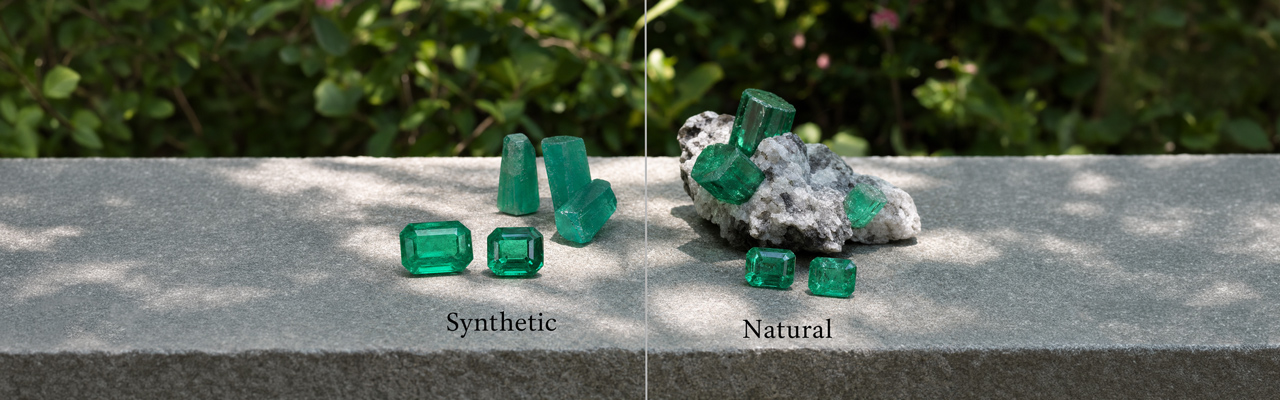
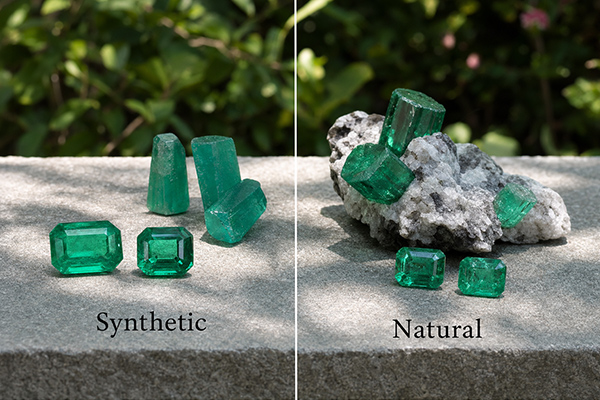
Synthetic gemstones are created in laboratories. They have the same or very similar chemical composition and physical properties as their natural counterparts. For example, a synthetic ruby is made of the same basic mineral family as natural ruby, and a synthetic sapphire may have similar hardness and appearance to natural sapphire.
However, synthetic gemstones are not mined from the earth. They are created under controlled laboratory conditions, often in a much shorter time. Because they can be produced repeatedly, they are not rare in the same way natural gemstones are rare.
This is why synthetic gemstones are usually much more affordable than natural gemstones. They may be suitable for fashion jewellery, decorative jewellery, or budget-friendly designs where the buyer mainly wants colour and appearance. But they do not hold the same value, rarity, emotional importance, or astrological preference as natural gemstones.
However, synthetic gemstones are not mined from the earth. They are created under controlled laboratory conditions, often in a much shorter time. Because they can be produced repeatedly, they are not rare in the same way natural gemstones are rare.
This is why synthetic gemstones are usually much more affordable than natural gemstones. They may be suitable for fashion jewellery, decorative jewellery, or budget-friendly designs where the buyer mainly wants colour and appearance. But they do not hold the same value, rarity, emotional importance, or astrological preference as natural gemstones.
Synthetic Is Not the Same as Imitation or Artificial
Many buyers use the words synthetic, artificial, imitation, and fake as if they mean the same thing, but in gemology they are different.
A synthetic gemstone has a natural counterpart. For example, synthetic ruby has natural ruby as its counterpart. It may share similar chemical and optical properties, but it is laboratory-created.
An imitation or artificial stone only copies the look of a gemstone. It may not have the same chemical composition or physical properties. Cubic zirconia, for example, is often used as a diamond look-alike, but it is not diamond. Glass, plastic, or other simulants may also be used to imitate coloured gemstones.
For consumers, this distinction is important because a stone may look beautiful but still not have the identity, rarity, durability, or value of a natural gemstone. This is where certification and transparent disclosure become very important.
A synthetic gemstone has a natural counterpart. For example, synthetic ruby has natural ruby as its counterpart. It may share similar chemical and optical properties, but it is laboratory-created.
An imitation or artificial stone only copies the look of a gemstone. It may not have the same chemical composition or physical properties. Cubic zirconia, for example, is often used as a diamond look-alike, but it is not diamond. Glass, plastic, or other simulants may also be used to imitate coloured gemstones.
For consumers, this distinction is important because a stone may look beautiful but still not have the identity, rarity, durability, or value of a natural gemstone. This is where certification and transparent disclosure become very important.
Why Natural Gemstones Are Preferred for Vedic Astrology
In Vedic astrology, gemstones such as ruby, yellow sapphire, blue sapphire, emerald, diamond, pearl, coral, hessonite, and cat’s eye are traditionally associated with planets. As per Vedic astrology, these gemstones are believed to influence planetary energies when selected and worn correctly. Nine Gems’ own educational content explains Navratna gemstones as the nine sacred gemstones associated with Vedic astrology, while also advising that gemstones should be chosen according to an individual’s astrological chart and needs.
For astrology-focused buyers, natural earth-mined gemstones are generally preferred because the purpose is not only decoration. The buyer is usually looking for a gemstone with natural origin, purity, and traditional suitability. Synthetic gemstones, even if they look similar, are not traditionally used for astrological purposes because they are laboratory-created and do not carry the same natural formation.
If someone is buying a gemstone mainly for astrology, they should always check whether the gemstone is natural, whether it is treated, whether it is suitable for the intended purpose, and whether it comes with proper certification.
For astrology-focused buyers, natural earth-mined gemstones are generally preferred because the purpose is not only decoration. The buyer is usually looking for a gemstone with natural origin, purity, and traditional suitability. Synthetic gemstones, even if they look similar, are not traditionally used for astrological purposes because they are laboratory-created and do not carry the same natural formation.
If someone is buying a gemstone mainly for astrology, they should always check whether the gemstone is natural, whether it is treated, whether it is suitable for the intended purpose, and whether it comes with proper certification.
Why Synthetic Gemstones Are Not Ideal for Engagement Rings
An engagement ring is not just a jewellery piece. It is a symbol of commitment, memory, and emotion. For many couples, the gemstone represents something rare and personal, just like the relationship itself.
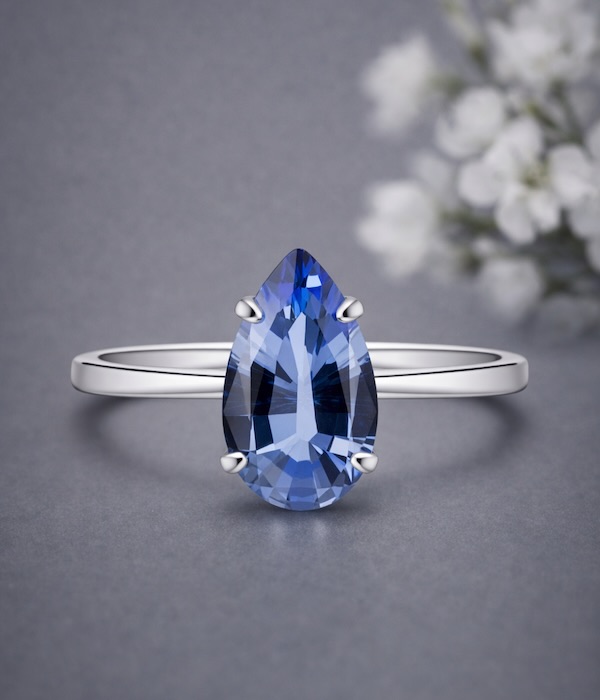
This is where natural gemstones have a strong emotional advantage. A natural sapphire, ruby, emerald, or diamond carries a story of rarity. It was formed by nature, discovered, cut, and selected for a special moment. That natural journey gives it emotional weight.
A synthetic gemstone may look attractive, but it is not rare in the same sense. Since it can be produced in a laboratory, it does not carry the same uniqueness or long-term romantic value that many buyers expect from an engagement ring. For budget fashion jewellery, synthetic stones may be acceptable. But for an engagement ring that is meant to feel timeless, meaningful, and precious, natural gemstones are generally the better choice.
This is where natural gemstones have a strong emotional advantage. A natural sapphire, ruby, emerald, or diamond carries a story of rarity. It was formed by nature, discovered, cut, and selected for a special moment. That natural journey gives it emotional weight.
A synthetic gemstone may look attractive, but it is not rare in the same sense. Since it can be produced in a laboratory, it does not carry the same uniqueness or long-term romantic value that many buyers expect from an engagement ring. For budget fashion jewellery, synthetic stones may be acceptable. But for an engagement ring that is meant to feel timeless, meaningful, and precious, natural gemstones are generally the better choice.
Natural Gemstones in Fine Jewellery and for Collectors
High-end jewellery is built around beauty, craftsmanship, rarity, and value. Synthetic gemstones may offer colour, but they do not offer the same rarity-driven appeal that collectors and luxury jewellery buyers look for.
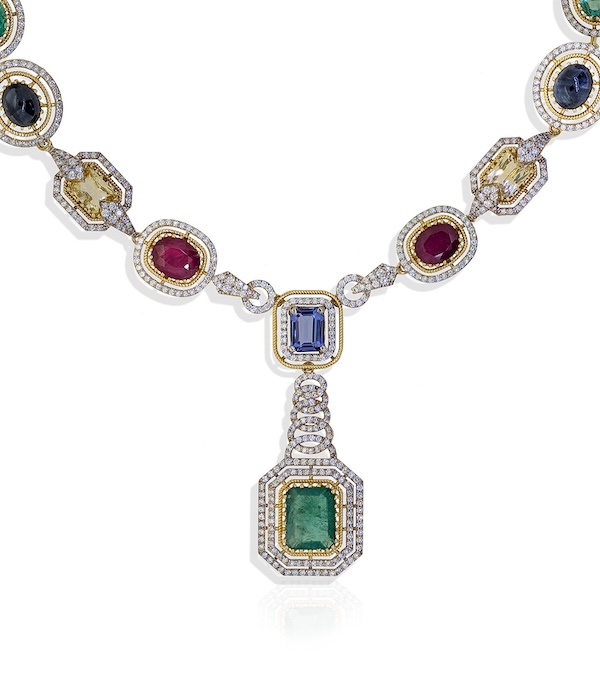
Collectors often value natural gemstones because of their origin, inclusions, colour quality, treatment status, size, and scarcity. A fine natural emerald, a vivid ruby, a rich blue sapphire, or a rare untreated gemstone is not just a decorative object. It is a natural treasure with market desirability.
Nine Gems’ gemstone pricing guidance also places rarity as one of the most important value factors, explaining that gemstones are precious because they are rare. This is exactly why synthetic gemstones do not usually classify as high-end collector gemstones. They may be technically impressive, but they are not naturally scarce.
Collectors often value natural gemstones because of their origin, inclusions, colour quality, treatment status, size, and scarcity. A fine natural emerald, a vivid ruby, a rich blue sapphire, or a rare untreated gemstone is not just a decorative object. It is a natural treasure with market desirability.
Nine Gems’ gemstone pricing guidance also places rarity as one of the most important value factors, explaining that gemstones are precious because they are rare. This is exactly why synthetic gemstones do not usually classify as high-end collector gemstones. They may be technically impressive, but they are not naturally scarce.
Natural vs Synthetic Gemstones: Which One Should You Choose?
Choose a natural gemstone if you are buying for Vedic astrology, engagement rings, high-end jewellery, collecting, meaningful gifting, or long-term value. Natural gemstones are preferred when rarity, authenticity, emotional meaning, and traditional importance matter.
Choose a synthetic gemstone only when your main priority is appearance at a lower price and the jewellery is mainly for casual or decorative use. Synthetic gemstones can look beautiful, but they should be clearly disclosed and priced accordingly.
The biggest mistake is not buying a synthetic gemstone. The biggest mistake is buying a synthetic gemstone thinking it is natural. That is why trusted sellers, proper certification, and transparent disclosure are so important.
Choose a synthetic gemstone only when your main priority is appearance at a lower price and the jewellery is mainly for casual or decorative use. Synthetic gemstones can look beautiful, but they should be clearly disclosed and priced accordingly.
The biggest mistake is not buying a synthetic gemstone. The biggest mistake is buying a synthetic gemstone thinking it is natural. That is why trusted sellers, proper certification, and transparent disclosure are so important.
Conclusion
Natural vs synthetic gemstones may look similar to the eye, but they are very different in meaning, rarity, value, and purpose. A natural gemstone is earth-mined, individually formed by nature, and valued for its uniqueness. A synthetic gemstone is laboratory-created and more easily available.
For astrology buyers, natural gemstones are traditionally preferred. For engagement rings, natural gemstones carry emotional rarity. For high-end jewellery and collectors, natural gemstones hold stronger desirability and market value.
If you are planning to buy a gemstone for astrology, jewellery, gifting, or collection, explore certified natural gemstones at Nine Gems or book an appointment with the team for personal gemstone selection guidance.
For astrology buyers, natural gemstones are traditionally preferred. For engagement rings, natural gemstones carry emotional rarity. For high-end jewellery and collectors, natural gemstones hold stronger desirability and market value.
If you are planning to buy a gemstone for astrology, jewellery, gifting, or collection, explore certified natural gemstones at Nine Gems or book an appointment with the team for personal gemstone selection guidance.
Frequently Asked Questions
Are synthetic gemstones fake?
No. Synthetic gemstones are not fake if they are honestly disclosed. They are laboratory-created gemstones with a natural counterpart. However, they are not natural earth-mined gemstones.
Can synthetic gemstones have inclusions?
Yes. Synthetic gemstones can have inclusions, and in some cases, inclusions may even be induced or formed during the manufacturing process. However, these inclusions are usually different from natural earth-mined inclusions. An experienced gemologist, using proper gemological tools such as a microscope, can often distinguish between natural growth features and synthetic inclusions.
Can synthetic gemstones be used for astrology?
Synthetic gemstones are generally not preferred for Vedic astrology. Astrology-focused buyers usually prefer natural earth-mined gemstones, selected according to astrological requirements.
Why are natural gemstones more expensive?
Natural gemstones are more expensive because they are rare, formed by nature, and valued for their origin, beauty, size, clarity, treatment status, and market demand.
Can a lab report identify synthetic gemstones?
Yes. A proper gemological laboratory can usually identify whether a gemstone is natural, synthetic, imitation, or treated.
Are synthetic gemstones good for jewellery?
They can be used for fashion or decorative jewellery, but they are generally not preferred for engagement rings, high-end jewellery, astrology, or collector-grade purchases.
External Sources
Written by Sanjay Jain, FGA (Gemologist)
About the Author: Sanjay Jain is a Fellow of the Gemmological Association of Great Britain (FGA) and completed his professional gemology education with Gem-A, UK, in 2011. With extensive experience in natural coloured gemstones, he focuses on gemstone identification, quality evaluation, treatments, certification and practical buying guidance. Through his articles, he aims to simplify gemological concepts and help consumers make informed and transparent gemstone-buying decisions.