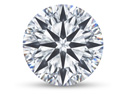
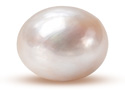


Buying gemstone or diamond jewellery can feel exciting and overwhelming at the same time. You may spend hours selecting the perfect gemstone, only to realise that the gold surrounding it is equally important. The right metal does more than hold the stone securely—it influences the jewellery’s beauty, comfort, durability and overall character.
Gold has remained one of the most loved metals for jewellery because it combines beauty, flexibility and lasting value. It can be shaped into delicate prongs, protective bezels, traditional closed-back settings and detailed handcrafted designs. More importantly, gold jewellery often becomes part of a family’s story, carrying memories from one generation to another.
Gold has remained one of the most loved metals for jewellery because it combines beauty, flexibility and lasting value. It can be shaped into delicate prongs, protective bezels, traditional closed-back settings and detailed handcrafted designs. More importantly, gold jewellery often becomes part of a family’s story, carrying memories from one generation to another.
Why Gold Is More Than Just a Precious Metal
Gold has a natural warmth that few other metals can match. Its rich colour complements diamonds as well as coloured gemstones such as rubies, emeralds, sapphires, coral and pearls.
It can look traditional, contemporary, minimal or elaborate depending on the design. This versatility makes gold suitable for everything from an engagement ring worn every day to a traditional gemstone pendant reserved for special occasions.
For many buyers, gold jewellery also carries emotional meaning. It may celebrate an engagement, wedding, anniversary, religious occasion or personal achievement. Even when jewellery trends change, a thoughtfully designed gold piece rarely loses its relevance.
Pure gold is naturally soft and malleable. This allows skilled artisans to shape it beautifully, but it also means that 24K gold is generally too soft for most gemstone jewellery. Gold is therefore mixed with other metals to improve its strength and make it suitable for long-term wear.
It can look traditional, contemporary, minimal or elaborate depending on the design. This versatility makes gold suitable for everything from an engagement ring worn every day to a traditional gemstone pendant reserved for special occasions.
For many buyers, gold jewellery also carries emotional meaning. It may celebrate an engagement, wedding, anniversary, religious occasion or personal achievement. Even when jewellery trends change, a thoughtfully designed gold piece rarely loses its relevance.
Pure gold is naturally soft and malleable. This allows skilled artisans to shape it beautifully, but it also means that 24K gold is generally too soft for most gemstone jewellery. Gold is therefore mixed with other metals to improve its strength and make it suitable for long-term wear.
Understanding Gold Purity Without the Confusion
Gold purity is expressed in karats. Pure gold is described as 24K, while lower karatages contain gold mixed with strengthening metals.
At Nine Gems, jewellery is commonly crafted in 18K and 22K gold, depending on the gemstone, design and intended use.
At Nine Gems, jewellery is commonly crafted in 18K and 22K gold, depending on the gemstone, design and intended use.
18K Gold: Strength for Jewellery Worn Every Day
18K gold contains approximately 75% pure gold. The remaining portion consists of other metals that improve its strength and durability.
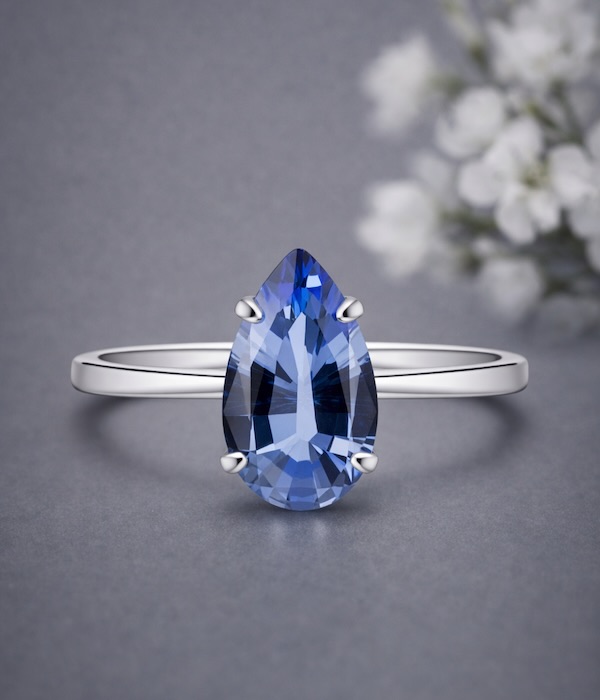
This makes 18K gold particularly suitable for engagement rings, everyday gemstone rings, diamond jewellery, fine contemporary designs and prong-set jewellery.
A prong setting uses small metal claws to hold the gemstone securely. Since these prongs may be exposed to regular movement and accidental knocks, the additional strength of 18K gold can be valuable.
For someone choosing a gemstone engagement ring or a sapphire, ruby or diamond ring that will be worn frequently, 18K gold often offers a practical balance between beauty, gold purity and durability.
This makes 18K gold particularly suitable for engagement rings, everyday gemstone rings, diamond jewellery, fine contemporary designs and prong-set jewellery.
A prong setting uses small metal claws to hold the gemstone securely. Since these prongs may be exposed to regular movement and accidental knocks, the additional strength of 18K gold can be valuable.
For someone choosing a gemstone engagement ring or a sapphire, ruby or diamond ring that will be worn frequently, 18K gold often offers a practical balance between beauty, gold purity and durability.
22K Gold: Rich Colour with Traditional Character
22K gold contains approximately 91.6% pure gold. It has a deeper and richer yellow colour, making it especially attractive to buyers who appreciate the unmistakable appearance of high-purity gold.
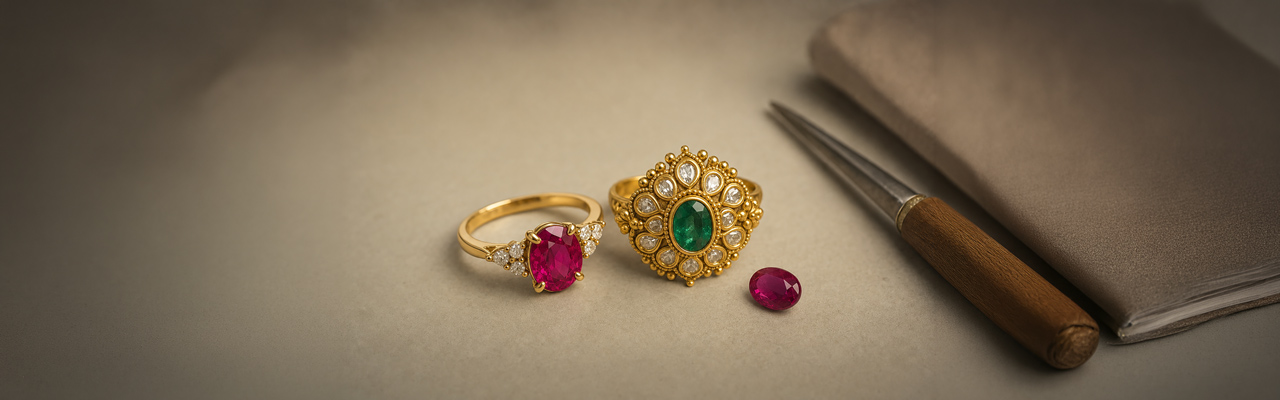
Its softer and more workable nature can be useful for traditional Indian gemstone jewellery, bezel-set gemstones, South Indian closed-back settings, pendants and handcrafted designs.
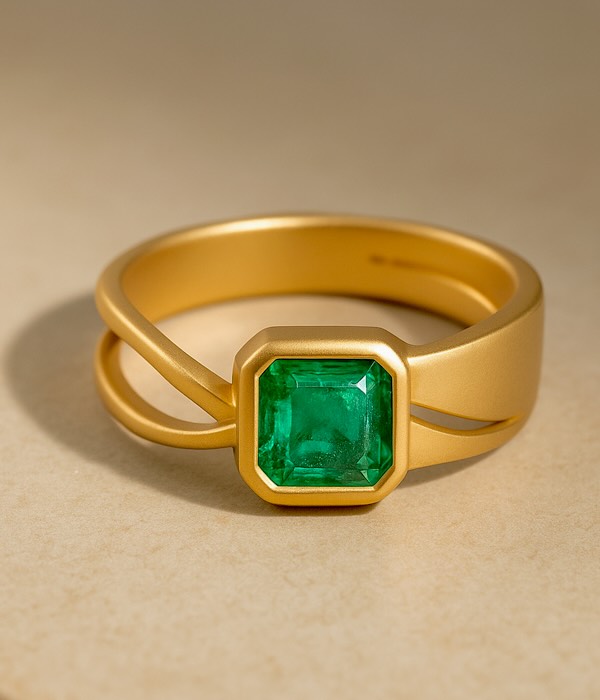
A bezel setting surrounds the gemstone with a rim of metal instead of holding it with exposed claws. The malleability of 22K gold allows an experienced artisan to gently work the metal around the stone.
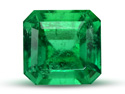
This can be helpful while setting comparatively delicate materials such as coral or emerald. Emeralds often contain natural inclusions and require careful handling, while precious coral is an organic gem material that should not be exposed to unnecessary pressure.
However, the setting must always be selected according to the individual gemstone. Not every emerald, coral or delicate gemstone should automatically be placed in the same type of setting.
Its softer and more workable nature can be useful for traditional Indian gemstone jewellery, bezel-set gemstones, South Indian closed-back settings, pendants and handcrafted designs.
A bezel setting surrounds the gemstone with a rim of metal instead of holding it with exposed claws. The malleability of 22K gold allows an experienced artisan to gently work the metal around the stone.
This can be helpful while setting comparatively delicate materials such as coral or emerald. Emeralds often contain natural inclusions and require careful handling, while precious coral is an organic gem material that should not be exposed to unnecessary pressure.
However, the setting must always be selected according to the individual gemstone. Not every emerald, coral or delicate gemstone should automatically be placed in the same type of setting.
Should You Choose 18K or 22K Gold?
There is no single gold purity that is best for every piece of jewellery.
Choose 18K gold when strength, fine detailing and regular wear are your main priorities. It is generally well suited to engagement rings, diamond jewellery, prong settings and modern designs.
Choose 22K gold when you prefer a richer gold colour, traditional craftsmanship or a bezel-style or closed-back setting. It can be a beautiful choice for pendants, traditional rings and meaningful jewellery worn on special occasions.
The decision should not be based only on which option contains more gold. A carefully designed jewel in the appropriate purity will usually serve the buyer better than a higher-karat piece that does not suit the structure of the design.
Choose 18K gold when strength, fine detailing and regular wear are your main priorities. It is generally well suited to engagement rings, diamond jewellery, prong settings and modern designs.
Choose 22K gold when you prefer a richer gold colour, traditional craftsmanship or a bezel-style or closed-back setting. It can be a beautiful choice for pendants, traditional rings and meaningful jewellery worn on special occasions.
The decision should not be based only on which option contains more gold. A carefully designed jewel in the appropriate purity will usually serve the buyer better than a higher-karat piece that does not suit the structure of the design.
Yellow, White or Rose Gold: Which Colour Feels Right?
The colour of gold depends on the metals mixed with it. Each colour creates a different mood and can influence how the gemstone appears.
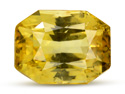
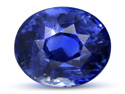
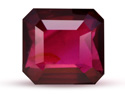
In addition to aesthetics, some buyers also consider traditional astrological preferences when choosing the colour of metal. For example, yellow sapphire is often worn in yellow metal, making yellow gold a preferred choice. Blue sapphire is commonly recommended in a white metal, where white gold is often chosen over silver due to its durability and resistance to tarnishing. For gemstones such as coral and ruby, some may prefer rose gold for its warm tone. In fine gemstone jewellery, the colour of the metal may therefore be influenced not only by design but also by the gemstone’s colour and traditional associations.
In addition to aesthetics, some buyers also consider traditional astrological preferences when choosing the colour of metal. For example, yellow sapphire is often worn in yellow metal, making yellow gold a preferred choice. Blue sapphire is commonly recommended in a white metal, where white gold is often chosen over silver due to its durability and resistance to tarnishing. For gemstones such as coral and ruby, some may prefer rose gold for its warm tone. In fine gemstone jewellery, the colour of the metal may therefore be influenced not only by design but also by the gemstone’s colour and traditional associations.
Yellow Gold: Warm, Timeless and Traditional
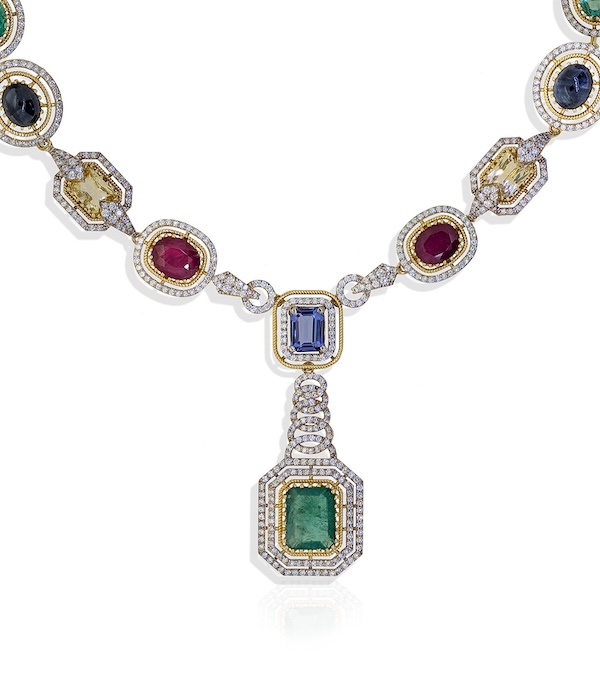
Yellow gold is closest to the natural colour people associate with gold. Its warmth pairs beautifully with yellow sapphire, ruby, emerald, coral and traditional Navratna jewellery.
It is an excellent choice for buyers who want jewellery that feels classic, culturally meaningful and unmistakably golden.
It is an excellent choice for buyers who want jewellery that feels classic, culturally meaningful and unmistakably golden.
White Gold: Clean and Contemporary
White gold is created by combining gold with white-toned alloys. It is usually finished with rhodium plating to give it a bright, silvery-white appearance.
White gold works particularly well with diamonds, blue sapphires and cooler-coloured gemstones. It can make a design feel modern and understated.
Over time, rhodium plating may wear away, especially on rings worn regularly. Replating can restore the jewellery’s bright white finish.
White gold works particularly well with diamonds, blue sapphires and cooler-coloured gemstones. It can make a design feel modern and understated.
Over time, rhodium plating may wear away, especially on rings worn regularly. Replating can restore the jewellery’s bright white finish.
Rose Gold: Soft, Romantic and Personal
Rose gold receives its pinkish warmth from copper in the alloy. It is often chosen for romantic jewellery, engagement rings and meaningful gifts.
Its soft colour can create an attractive contrast with diamonds, pink gemstones and selected sapphire colours. However, the final combination should always be judged with the actual gemstone because every coloured stone responds differently to its surrounding metal.
Its soft colour can create an attractive contrast with diamonds, pink gemstones and selected sapphire colours. However, the final combination should always be judged with the actual gemstone because every coloured stone responds differently to its surrounding metal.
What Determines the Price of Gold Jewellery?
The price of gold jewellery is influenced by more than the daily gold rate.
Important factors include gold purity, net metal weight, complexity of design, type of gemstone setting, finishing, craftsmanship and whether the jewel is handmade or mass-produced.
A carefully handcrafted piece may cost more than a mass-produced design, but it can also provide better proportions, more thoughtful gemstone protection and a more personal finish.
When comparing prices, buyers should look at the complete jewel rather than judging it only by the grams of gold used. Good craftsmanship can directly affect how securely the gemstone is held and how comfortably the jewellery sits when worn.
Important factors include gold purity, net metal weight, complexity of design, type of gemstone setting, finishing, craftsmanship and whether the jewel is handmade or mass-produced.
A carefully handcrafted piece may cost more than a mass-produced design, but it can also provide better proportions, more thoughtful gemstone protection and a more personal finish.
When comparing prices, buyers should look at the complete jewel rather than judging it only by the grams of gold used. Good craftsmanship can directly affect how securely the gemstone is held and how comfortably the jewellery sits when worn.
Caring for Gold and Gemstone Jewellery
Gold jewellery should be protected from harsh chemicals, chlorine, perfumes and abrasive cleaning products. Remove your jewellery before swimming, exercising, cleaning or performing work that may expose it to impact.
For routine cleaning, gold can usually be cleaned gently using lukewarm water, mild detergent-free soap and a soft brush. However, not every gemstone can safely tolerate water, soap, heat or brushing.
Pearls, coral, emeralds and treated gemstones may require specialised care. When in doubt, have the jewellery cleaned professionally.
Store each piece separately in a soft pouch or lined jewellery box. This helps prevent gemstones and metal surfaces from scratching one another. Prongs, clasps and settings should also be checked periodically, especially in rings worn every day.
For routine cleaning, gold can usually be cleaned gently using lukewarm water, mild detergent-free soap and a soft brush. However, not every gemstone can safely tolerate water, soap, heat or brushing.
Pearls, coral, emeralds and treated gemstones may require specialised care. When in doubt, have the jewellery cleaned professionally.
Store each piece separately in a soft pouch or lined jewellery box. This helps prevent gemstones and metal surfaces from scratching one another. Prongs, clasps and settings should also be checked periodically, especially in rings worn every day.
The Best Gold Jewellery Is Designed Around Your Life
The best gold jewellery is not always the piece with the highest purity or the heaviest weight. It is the piece that suits your gemstone, lifestyle, personal taste and reason for buying it.
An engagement ring intended for everyday wear may benefit from the strength of 18K gold. A traditional pendant with a rich yellow appearance may feel more meaningful in 22K. A delicate emerald may require a protective setting, while a diamond may allow a more open design that highlights its brilliance.
The gemstone, gold purity and setting should always be considered together. When these elements are carefully balanced, the finished jewellery does more than look beautiful—it feels personal, comfortable and made to last.
At Nine Gems, natural gemstones are selected for their individual beauty and character, with a focus on authenticity, transparency and informed gemstone selection.
An engagement ring intended for everyday wear may benefit from the strength of 18K gold. A traditional pendant with a rich yellow appearance may feel more meaningful in 22K. A delicate emerald may require a protective setting, while a diamond may allow a more open design that highlights its brilliance.
The gemstone, gold purity and setting should always be considered together. When these elements are carefully balanced, the finished jewellery does more than look beautiful—it feels personal, comfortable and made to last.
At Nine Gems, natural gemstones are selected for their individual beauty and character, with a focus on authenticity, transparency and informed gemstone selection.
Frequently Asked Questions
Is 18K or 22K gold better for gemstone jewellery?
Both are suitable, but for different purposes. 18K gold is stronger and is often preferred for everyday rings, engagement rings and prong settings. 22K gold has a richer yellow colour and can be better suited to traditional, bezel-set or closed-back jewellery.
Can 24K gold be used for gemstone rings?
24K gold is generally too soft for most gemstone rings, especially those worn regularly. It can bend or lose shape more easily, so 18K or 22K gold is usually preferred for jewellery that needs to hold a gemstone securely.
Which gold purity is better for emerald and coral jewellery?
The ideal purity depends on the gemstone and setting. Emeralds and corals are comparatively delicate, so protective bezel or traditional closed-back settings may be considered. In some handcrafted designs, 22K gold can be convenient because it is more workable, but the final choice should be made after examining the individual gemstone.
Does white gold need maintenance?
Most white gold jewellery is rhodium-plated to achieve a bright white finish. This coating may gradually wear with regular use, especially on rings. Periodic replating can restore its original appearance.
Does higher-karat gold always mean better jewellery?
Not necessarily. Higher-karat gold contains more pure gold, but it is also softer. The best choice depends on the design, gemstone, setting style and how often the jewellery will be worn. A well-made 18K ring may be more suitable for everyday use than a delicate 22K design.
External Sources
Written by Sanjay Jain, FGA (Gemologist)
About the Author: Sanjay Jain is a Fellow of the Gemmological Association of Great Britain (FGA) and completed his professional gemology education with Gem-A, UK, in 2011. With extensive experience in natural coloured gemstones, he focuses on gemstone identification, quality evaluation, treatments, certification and practical buying guidance. Through his articles, he aims to simplify gemological concepts and help consumers make informed and transparent gemstone-buying decisions.