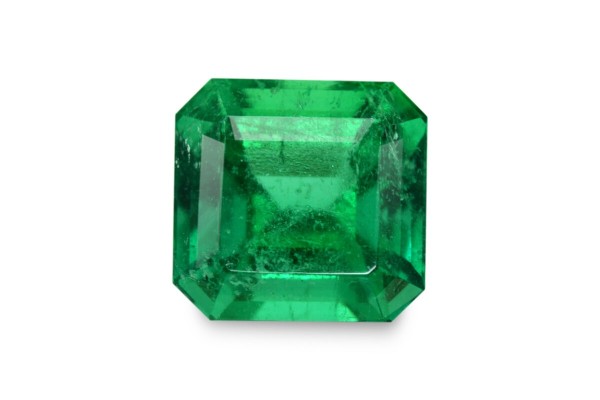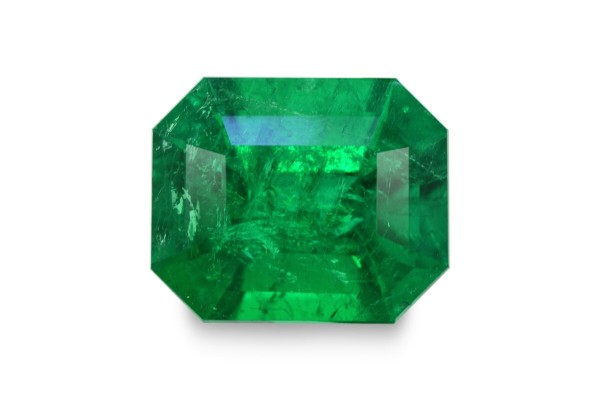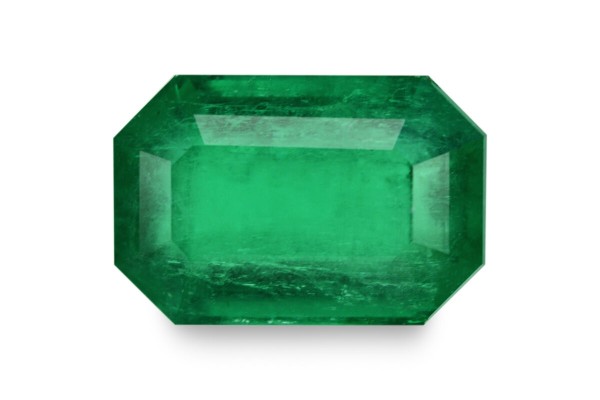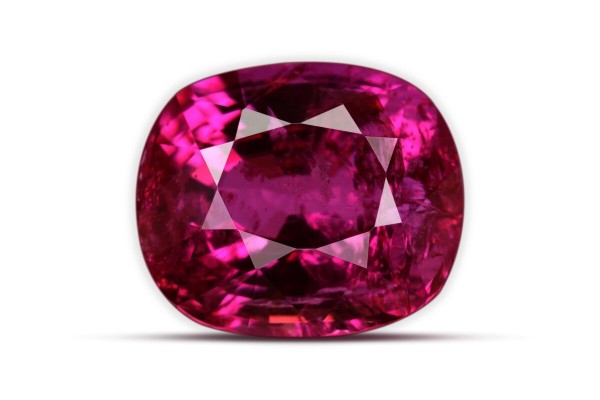

Long before Bengaluru became India's technology capital, Karnataka had a remarkable connection with precious gemstones and fine jewellery. From the gemstone markets of Vijayanagara and the royal jewels of the Wadiyars to Burmese rubies, Colombian emeralds, Golconda diamonds and Navratna ornaments, discover how centuries of trade, royal patronage and South Indian craftsmanship shaped Bengaluru's gemstone culture—and how that tradition continues with today's buyers.
Karnataka's Love for Precious Gemstones Goes Back Centuries
When we think of Bengaluru today, we usually think of technology, startups, modern neighbourhoods and, of course, traffic.
But long before Bengaluru became India's technology capital, Karnataka already had another fascinating identity—one connected with gold, diamonds, rubies, emeralds and beautifully handcrafted jewellery.
For centuries, precious stones were part of this region's royal courts, temples, trading markets and family jewellery. The finest pieces were not made from gemstones found in one place. They brought together materials that had travelled enormous distances - Burmese rubies, Colombian emeralds, historic Indian diamonds, natural Ceylon & Basra pearls, Burmese spinels and the gemstones of Navratna—before reaching the hands of skilled South Indian craftsmen.
In Karnataka, jewellery has never been only about decoration. It has represented celebration, devotion, status, inheritance and emotion. Even today, an old ruby necklace brought out from an Ajji's locker carries a feeling that is difficult to measure simply in grams of gold.
But long before Bengaluru became India's technology capital, Karnataka already had another fascinating identity—one connected with gold, diamonds, rubies, emeralds and beautifully handcrafted jewellery.
For centuries, precious stones were part of this region's royal courts, temples, trading markets and family jewellery. The finest pieces were not made from gemstones found in one place. They brought together materials that had travelled enormous distances - Burmese rubies, Colombian emeralds, historic Indian diamonds, natural Ceylon & Basra pearls, Burmese spinels and the gemstones of Navratna—before reaching the hands of skilled South Indian craftsmen.
In Karnataka, jewellery has never been only about decoration. It has represented celebration, devotion, status, inheritance and emotion. Even today, an old ruby necklace brought out from an Ajji's locker carries a feeling that is difficult to measure simply in grams of gold.
Hampi: When Precious Stones Were Traded in the Bazaar
Our story begins much before modern Bengaluru.
During the height of the Vijayanagara Empire, Hampi developed into one of the wealthiest cities of its time. Historical accounts describe busy markets dealing in diamonds, pearls, precious stones, silk, horses and other valuable goods. During Krishnadevaraya's reign in the early sixteenth century, Vijayanagara was at the height of its prosperity.
It is difficult today to imagine walking through a market street in Karnataka and finding precious stones being openly traded, but it gives us some idea of the wealth passing through the region.
Gemstones naturally found their way into royal ornaments, ceremonial objects, temple offerings and the jewellery of the elite.
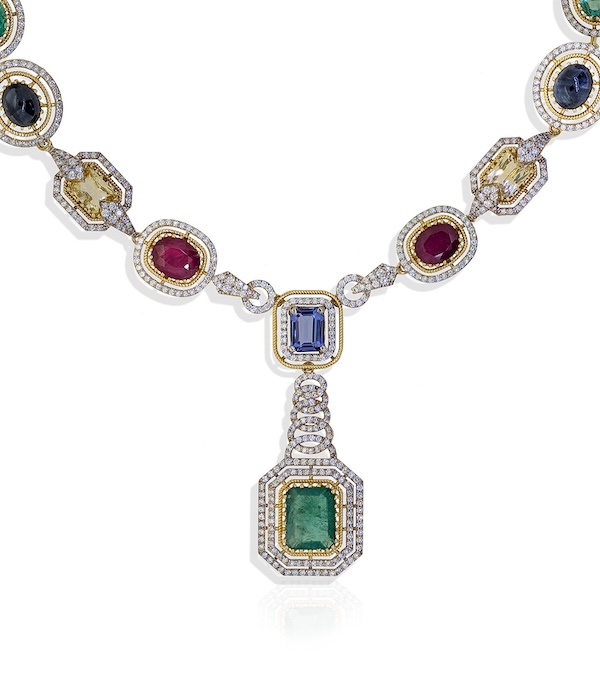
This was not simply a love of luxury. In India, certain gemstones also carried religious, cultural and astrological meaning. Navratna - the traditional combination of nine gemstones associated with nine celestial influences became especially important in royal and ceremonial jewellery.
During the height of the Vijayanagara Empire, Hampi developed into one of the wealthiest cities of its time. Historical accounts describe busy markets dealing in diamonds, pearls, precious stones, silk, horses and other valuable goods. During Krishnadevaraya's reign in the early sixteenth century, Vijayanagara was at the height of its prosperity.
It is difficult today to imagine walking through a market street in Karnataka and finding precious stones being openly traded, but it gives us some idea of the wealth passing through the region.
Gemstones naturally found their way into royal ornaments, ceremonial objects, temple offerings and the jewellery of the elite.
This was not simply a love of luxury. In India, certain gemstones also carried religious, cultural and astrological meaning. Navratna - the traditional combination of nine gemstones associated with nine celestial influences became especially important in royal and ceremonial jewellery.
Kempe Gowda and Bengaluru's Old Trading Heart
When Kempe Gowda I established modern Bengaluru in 1537, he built a mud fort and developed a commercial town around what became the Pete area. The Karnataka government's Bengaluru Urban history records 1537 as the foundation of modern Bangalore under Kempe Gowda. Bengaluru Urban
Over time, Chickpet, Nagarathpet, Balepet, Akkipet, Avenue Road and the surrounding lanes became part of Bengaluru's traditional commercial heart.
Anyone familiar with old Bangalore will recognise the character of these streets even today.
Behind crowded shopfronts and narrow lanes are bullion merchants, goldsmiths, jewellery workshops, wholesalers and businesses where knowledge has often passed from one generation to another.
Chickpet and Nagarathpet became particularly important to Bengaluru's jewellery and gold trade.
Nine Gems has its own connection with this ecosystem. Our family's association with gold jewellery manufacturing dates back to 1980, when we were part of Bengaluru's wholesale and manufacturing jewellery chain, supplying jewellery to other jewellers.
The business has changed considerably since those days. Nine Gems today is primarily focused on natural gemstones and the modern retail customer, but that earlier connection with Bengaluru's traditional jewellery trade remains part of our journey.
Over time, Chickpet, Nagarathpet, Balepet, Akkipet, Avenue Road and the surrounding lanes became part of Bengaluru's traditional commercial heart.
Anyone familiar with old Bangalore will recognise the character of these streets even today.
Behind crowded shopfronts and narrow lanes are bullion merchants, goldsmiths, jewellery workshops, wholesalers and businesses where knowledge has often passed from one generation to another.
Chickpet and Nagarathpet became particularly important to Bengaluru's jewellery and gold trade.
Nine Gems has its own connection with this ecosystem. Our family's association with gold jewellery manufacturing dates back to 1980, when we were part of Bengaluru's wholesale and manufacturing jewellery chain, supplying jewellery to other jewellers.
The business has changed considerably since those days. Nine Gems today is primarily focused on natural gemstones and the modern retail customer, but that earlier connection with Bengaluru's traditional jewellery trade remains part of our journey.
The Wadiyars and Mysore's Love for Fine Jewellery
No story about Karnataka's gemstone heritage feels complete without the Wadiyar dynasty of Mysore.
Look at historical portraits and surviving Mysore jewellery and you immediately notice something: the Wadiyars appreciated gemstones.
And they certainly did not believe in minimalism.
Royal jewellery brought together rows of pearls, rich red rubies, spinels, emeralds, diamonds and gold. Some pieces were personal ornaments, while others had ceremonial or religious importance.
Navratna jewellery fitted naturally into this environment because the gemstones represented much more than colour. Traditionally, each of the nine gems was associated with a celestial influence, giving Navratna jewellery an important place in Indian royal and spiritual traditions.
The Wadiyars were also patrons of craftsmen, temples and institutions, which helped preserve a distinctive Mysore visual language that can still be recognised in South Indian jewellery today.
Look at historical portraits and surviving Mysore jewellery and you immediately notice something: the Wadiyars appreciated gemstones.
And they certainly did not believe in minimalism.
Royal jewellery brought together rows of pearls, rich red rubies, spinels, emeralds, diamonds and gold. Some pieces were personal ornaments, while others had ceremonial or religious importance.
Navratna jewellery fitted naturally into this environment because the gemstones represented much more than colour. Traditionally, each of the nine gems was associated with a celestial influence, giving Navratna jewellery an important place in Indian royal and spiritual traditions.
The Wadiyars were also patrons of craftsmen, temples and institutions, which helped preserve a distinctive Mysore visual language that can still be recognised in South Indian jewellery today.
Gandaberunda: A Motif That Immediately Says Mysore
Among all the motifs associated with Mysore, perhaps none is more recognisable than the Gandaberunda, the powerful mythical two-headed bird.
It became an emblem of the Mysore royal house and remains strongly associated with Karnataka.
But for gemstone lovers, its interpretation in jewellery is particularly interesting.
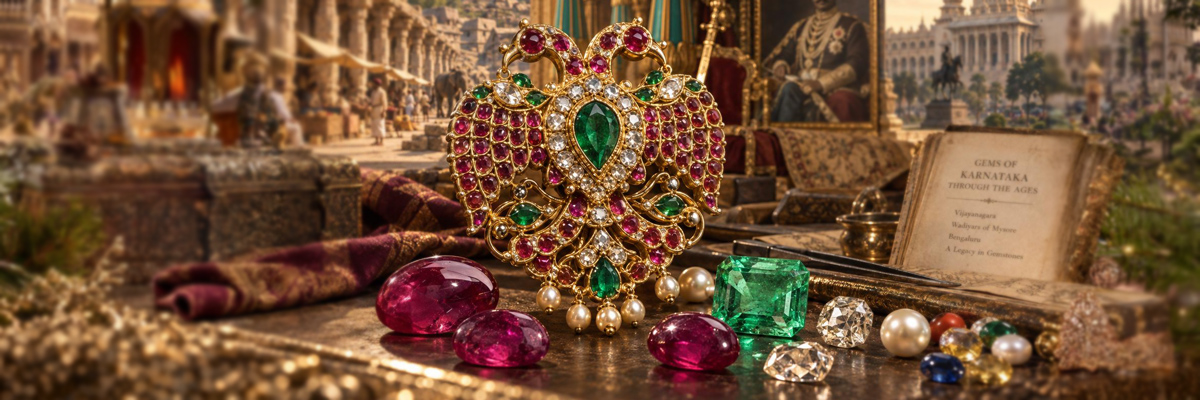
Traditional Gandaberunda ornaments could be richly covered with red cabochon rubies, spinels, emeralds, diamonds and pearls, transforming a royal emblem into an extraordinarily detailed piece of wearable art.
C. Krishniah Chetty & Sons has an important documented connection with this history. Its official timeline records that Nalwadi Krishnaraja Wodeyar appointed the firm jewellers to the Royal Court around 1900. By 1910, its archives show Gandaberunda jewellery set with rubies, emeralds, diamonds and pearls.
The Gandaberunda is not merely a pretty bird motif. It is one of the clearest connections between Karnataka's royal identity, gemstone culture and jewellery craftsmanship.
It became an emblem of the Mysore royal house and remains strongly associated with Karnataka.
But for gemstone lovers, its interpretation in jewellery is particularly interesting.
Traditional Gandaberunda ornaments could be richly covered with red cabochon rubies, spinels, emeralds, diamonds and pearls, transforming a royal emblem into an extraordinarily detailed piece of wearable art.
C. Krishniah Chetty & Sons has an important documented connection with this history. Its official timeline records that Nalwadi Krishnaraja Wodeyar appointed the firm jewellers to the Royal Court around 1900. By 1910, its archives show Gandaberunda jewellery set with rubies, emeralds, diamonds and pearls.
The Gandaberunda is not merely a pretty bird motif. It is one of the clearest connections between Karnataka's royal identity, gemstone culture and jewellery craftsmanship.
Burmese Rubies and Our Familiar Kempu
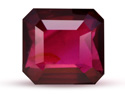
One gemstone appears repeatedly in traditional South Indian jewellery: The Ruby.
Many historic Indian jewels used smooth, rounded rubies rather than the precisely faceted stones we normally see in contemporary jewellery. GIA notes that old Indian jewellery frequently contained rounded, waterworn rubies from alluvial deposits that were polished to bring out their colour. Burma's Mogok region has been one of the world's most celebrated historical ruby sources.
In Kannada, kempu means red, and the rich red cabochon appearance became deeply associated with traditional Karnataka jewellery.
This is where the locally familiar idea of Kempu jewellery comes from. In older fine jewellery, natural ruby and similar red gem materials could form part of this visual tradition, although the word kempu in today's jewellery market can also refer to the style or colour and should not automatically be taken to mean natural ruby.
Imagine the journey of a fine ruby centuries ago. It could leave Burma, pass through several merchants and trading centres, reach South India, and finally arrive on the workbench of a Mysore goldsmith.
That craftsman may never have travelled anywhere near the ruby mine, yet the finished jewel became completely South Indian.
Many historic Indian jewels used smooth, rounded rubies rather than the precisely faceted stones we normally see in contemporary jewellery. GIA notes that old Indian jewellery frequently contained rounded, waterworn rubies from alluvial deposits that were polished to bring out their colour. Burma's Mogok region has been one of the world's most celebrated historical ruby sources.
In Kannada, kempu means red, and the rich red cabochon appearance became deeply associated with traditional Karnataka jewellery.
This is where the locally familiar idea of Kempu jewellery comes from. In older fine jewellery, natural ruby and similar red gem materials could form part of this visual tradition, although the word kempu in today's jewellery market can also refer to the style or colour and should not automatically be taken to mean natural ruby.
Imagine the journey of a fine ruby centuries ago. It could leave Burma, pass through several merchants and trading centres, reach South India, and finally arrive on the workbench of a Mysore goldsmith.
That craftsman may never have travelled anywhere near the ruby mine, yet the finished jewel became completely South Indian.
And Not Every Historical “Ruby” Was Actually Ruby
There is another fascinating gemological detail.
For centuries, beautiful red spinels were sometimes grouped together with ruby in historical descriptions. The famous red spinels of Central Asia, including material associated with areas of present-day Afghanistan and Tajikistan entered royal treasuries across Asia.
Modern gemology distinguishes them easily: ruby is red corundum, while spinel is a completely different mineral. But centuries ago, that distinction was not always understood.
It is another reminder that old jewellery can sometimes hold surprises even for experienced gemstone lovers.
Colombian Emeralds Travelled Halfway Around the World to India
Emerald tells an even more remarkable story.
After the Spanish gained control of Colombia's famous Muzo and Chivor emerald deposits in the sixteenth century, exceptional Colombian emeralds began travelling across oceans.
Portuguese merchants carried many of these stones into India through the important trading centre of Goa, from where they entered Indian royal treasuries. GIA has extensively documented this trade route.
And there is a direct Mysore connection.
GIA has documented an eighteenth-century horn-shaped ornament made for a ruler of the Kingdom of Mysore, centered around an approximately 125-carat Colombian emerald, together with diamonds, Burmese rubies and pearls.
Just think about that journey.
A gemstone formed in the mountains of Colombia crosses the Atlantic, moves through Portuguese trading networks, reaches Goa, travels inland and eventually becomes part of a royal Mysore jewel.
Global gemstone trading is certainly not a modern invention.
For centuries, beautiful red spinels were sometimes grouped together with ruby in historical descriptions. The famous red spinels of Central Asia, including material associated with areas of present-day Afghanistan and Tajikistan entered royal treasuries across Asia.
Modern gemology distinguishes them easily: ruby is red corundum, while spinel is a completely different mineral. But centuries ago, that distinction was not always understood.
It is another reminder that old jewellery can sometimes hold surprises even for experienced gemstone lovers.
Colombian Emeralds Travelled Halfway Around the World to India
Emerald tells an even more remarkable story.
After the Spanish gained control of Colombia's famous Muzo and Chivor emerald deposits in the sixteenth century, exceptional Colombian emeralds began travelling across oceans.
Portuguese merchants carried many of these stones into India through the important trading centre of Goa, from where they entered Indian royal treasuries. GIA has extensively documented this trade route.
And there is a direct Mysore connection.
GIA has documented an eighteenth-century horn-shaped ornament made for a ruler of the Kingdom of Mysore, centered around an approximately 125-carat Colombian emerald, together with diamonds, Burmese rubies and pearls.
Just think about that journey.
A gemstone formed in the mountains of Colombia crosses the Atlantic, moves through Portuguese trading networks, reaches Goa, travels inland and eventually becomes part of a royal Mysore jewel.
Global gemstone trading is certainly not a modern invention.
Golconda Diamonds: India's Legendary Diamonds
Then come the diamonds.
Before major natural diamond deposits were discovered in Brazil and later Africa, India was the world's legendary source of diamonds.
The name Golconda became associated with some of the most famous historic diamonds in existence.
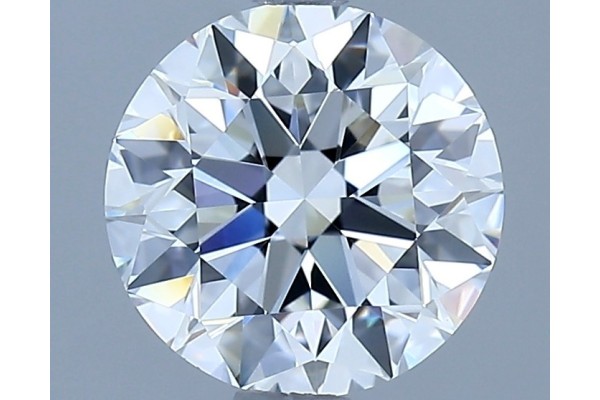
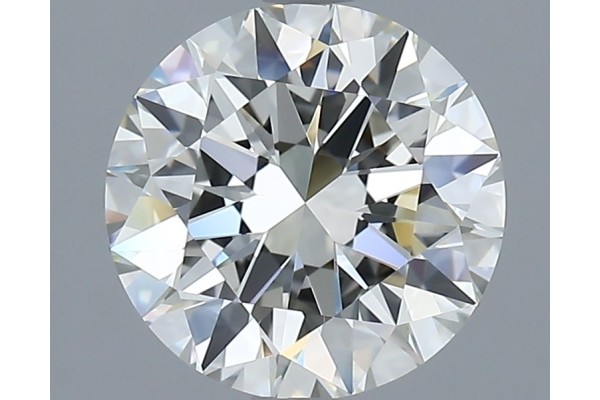
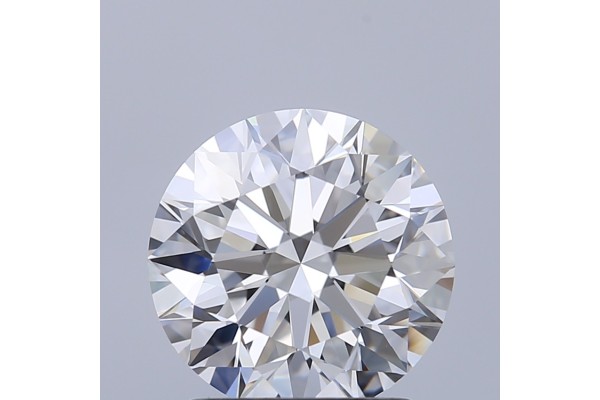
An interesting technical feature is that many diamonds linked with the historic Golconda region belong to the rare Type IIa category. Type IIa diamonds show no measurable nitrogen or boron impurities in their crystal lattice and account for only a small percentage of natural diamonds. Fine examples can possess extraordinary transparency.
There is, however, an important gemological distinction:
A Type IIa diamond is not automatically a Golconda diamond. Type IIa describes the diamond's chemical classification. It does not by itself prove geographical origin.
Still, imagine old South Indian jewellery combining an exceptional Indian diamond with a Burmese ruby and Colombian emerald. Even by today's standards, that is an extraordinary selection of gemstones.
Before major natural diamond deposits were discovered in Brazil and later Africa, India was the world's legendary source of diamonds.
The name Golconda became associated with some of the most famous historic diamonds in existence.
An interesting technical feature is that many diamonds linked with the historic Golconda region belong to the rare Type IIa category. Type IIa diamonds show no measurable nitrogen or boron impurities in their crystal lattice and account for only a small percentage of natural diamonds. Fine examples can possess extraordinary transparency.
There is, however, an important gemological distinction:
A Type IIa diamond is not automatically a Golconda diamond. Type IIa describes the diamond's chemical classification. It does not by itself prove geographical origin.
Still, imagine old South Indian jewellery combining an exceptional Indian diamond with a Burmese ruby and Colombian emerald. Even by today's standards, that is an extraordinary selection of gemstones.
Behind Every Maharaja's Jewel Was an Artisan
We remember kings because their names went into history books.
But somebody had to make their jewellery.
Behind every elaborate necklace, pendant, crown or bracelet were highly skilled goldsmiths and artisans, many working with techniques passed down within families.
A craftsman could have gemstones on his bench that had travelled from Burma, Colombia and different parts of India. His job was to bring them together into one harmonious jewel—and somehow the finished piece still looked unmistakably South Indian.
That craftsmanship deserves as much respect as the stones themselves.
Ganjam is another Bengaluru jewellery house whose history illustrates this connection between royal patronage and craftsmanship. The company traces its heritage to 1889 and later served the Mysore royal family; its heritage jewellery became particularly associated with cabochon rubies, emeralds and rose-cut diamonds.
But somebody had to make their jewellery.
Behind every elaborate necklace, pendant, crown or bracelet were highly skilled goldsmiths and artisans, many working with techniques passed down within families.
A craftsman could have gemstones on his bench that had travelled from Burma, Colombia and different parts of India. His job was to bring them together into one harmonious jewel—and somehow the finished piece still looked unmistakably South Indian.
That craftsmanship deserves as much respect as the stones themselves.
Ganjam is another Bengaluru jewellery house whose history illustrates this connection between royal patronage and craftsmanship. The company traces its heritage to 1889 and later served the Mysore royal family; its heritage jewellery became particularly associated with cabochon rubies, emeralds and rose-cut diamonds.
The Merchant Communities Behind India's Gemstone Trade
The story of Indian gemstones is also the story of merchants.
Over generations, many Gujarati and Marwari trading families built extensive networks in diamonds, precious stones and jewellery. Their contribution was particularly visible in trading centres such as Surat, Mumbai and Jaipur.
This expertise did not come simply from community background. It came from generations spent physically handling gemstones, building international sourcing relationships and learning how to judge subtle differences in colour, clarity, treatments and value.
Today, Surat is an international diamond cutting and polishing centre, while Jaipur is one of the world's important centres for coloured gemstone cutting, trading and jewellery manufacturing.
This merchant knowledge eventually became part of the gemstone ecosystem across India, including Bengaluru.
Over generations, many Gujarati and Marwari trading families built extensive networks in diamonds, precious stones and jewellery. Their contribution was particularly visible in trading centres such as Surat, Mumbai and Jaipur.
This expertise did not come simply from community background. It came from generations spent physically handling gemstones, building international sourcing relationships and learning how to judge subtle differences in colour, clarity, treatments and value.
Today, Surat is an international diamond cutting and polishing centre, while Jaipur is one of the world's important centres for coloured gemstone cutting, trading and jewellery manufacturing.
This merchant knowledge eventually became part of the gemstone ecosystem across India, including Bengaluru.
Bengaluru's Jewellery Map Has Changed
Bengaluru's jewellery business never disappeared. It simply spread across the city.
Chickpet, Nagarathpet and Avenue Road still represent the traditional trading and wholesale side of jewellery. Commercial Street has its own long association with jewellery shopping, while Jayanagar developed into a major South Bengaluru jewellery destination.
At the luxury end, areas around Vittal Mallya Road and Lavelle Road became associated with premium boutiques and high-end consumers.
But modern Bengaluru does not shop from only these older areas anymore.
Today's gemstone buyers live and work across Indiranagar, Koramangala, HSR Layout, Whitefield, Electronic City, Sarjapur Road, Bellandur, Hebbal, HRBR Layout, Kalyan Nagar, Yelahanka and many newer parts of the city.
And what they want from jewellery has changed considerably.
Chickpet, Nagarathpet and Avenue Road still represent the traditional trading and wholesale side of jewellery. Commercial Street has its own long association with jewellery shopping, while Jayanagar developed into a major South Bengaluru jewellery destination.
At the luxury end, areas around Vittal Mallya Road and Lavelle Road became associated with premium boutiques and high-end consumers.
But modern Bengaluru does not shop from only these older areas anymore.
Today's gemstone buyers live and work across Indiranagar, Koramangala, HSR Layout, Whitefield, Electronic City, Sarjapur Road, Bellandur, Hebbal, HRBR Layout, Kalyan Nagar, Yelahanka and many newer parts of the city.
And what they want from jewellery has changed considerably.
From Royal Necklaces to One Exceptional Gemstone
A Maharaja might have commissioned an enormous ruby necklace for a royal occasion.
Today's Bengaluru buyer may want something completely different.
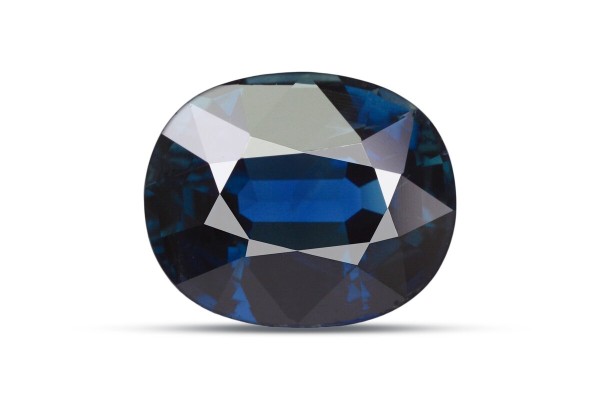
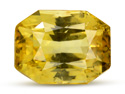
A professional from Electronic City may be looking for one fine untreated Yellow Sapphire for Vedic astrology.
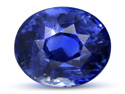
A couple from HSR Layout may want an unusual sapphire or ruby for an engagement ring.
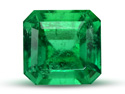
A collector from Whitefield may be searching for a fine emerald.
Another customer may simply fall in love with a beautiful ruby and want it set into a minimal everyday ring.
The jewellery has become lighter. Designs have become more personal. Buyers also ask more questions.
But the fascination with a beautiful gemstone remains exactly the same.
Today's Bengaluru buyer may want something completely different.
A professional from Electronic City may be looking for one fine untreated Yellow Sapphire for Vedic astrology.
A couple from HSR Layout may want an unusual sapphire or ruby for an engagement ring.
A collector from Whitefield may be searching for a fine emerald.
Another customer may simply fall in love with a beautiful ruby and want it set into a minimal everyday ring.
The jewellery has become lighter. Designs have become more personal. Buyers also ask more questions.
But the fascination with a beautiful gemstone remains exactly the same.
Bengaluru's Heritage Jewellers and Gemstone Specialists Today
Bengaluru today has businesses serving different kinds of gemstone and jewellery buyers.
C. Krishniah Chetty & Sons carries one of the city's strongest documented links with the Mysore royal court and heritage jewellery. Ganjam represents another important Bengaluru tradition, combining South Indian craftsmanship and historic jewellery vocabulary with contemporary luxury.
Among specialist gemstone businesses, Gemstone Universe has developed a particularly defined focus on Jyotish and planetary gemstones; its own history records the opening of its dedicated Bengaluru boutique in Indiranagar in 2012. Gemstone Universe
M.U. Motiwala, in the traditional Avenue Road/Nagarathpet trading zone, represents the older market model, with a broad assortment of gemstone beads and different gem materials.
AtNine Gems, the focus has gradually evolved towards the requirements of today's informed gemstone buyer.
Some customers visit us specifically for Vedic astrology gemstones. Others are searching for a fine ruby, sapphire or emerald for jewellery. Some are collectors. Increasingly, we meet customers who have spent weeks researching gemstones online before they even walk into the store.
For these buyers, saying “this stone is original” is no longer enough.
They want to understand whether it has been treated, why one ruby is worth substantially more than another, what a gem report actually confirms, whether the laboratory is reliable, and what makes a particular gemstone genuinely rare.
At Nine Gems, the published focus is on natural gemstones, professional selection, clear treatment disclosure, certification options and helping customers understand the gemstone before purchasing it. The collection includes the principal Navratna gemstones along with other fine coloured stones for astrology, jewellery and collecting.
That feels like a natural evolution of Bengaluru's gemstone tradition: old knowledge, but with the transparency expected by today's consumer.
C. Krishniah Chetty & Sons carries one of the city's strongest documented links with the Mysore royal court and heritage jewellery. Ganjam represents another important Bengaluru tradition, combining South Indian craftsmanship and historic jewellery vocabulary with contemporary luxury.
Among specialist gemstone businesses, Gemstone Universe has developed a particularly defined focus on Jyotish and planetary gemstones; its own history records the opening of its dedicated Bengaluru boutique in Indiranagar in 2012. Gemstone Universe
M.U. Motiwala, in the traditional Avenue Road/Nagarathpet trading zone, represents the older market model, with a broad assortment of gemstone beads and different gem materials.
At
Some customers visit us specifically for Vedic astrology gemstones. Others are searching for a fine ruby, sapphire or emerald for jewellery. Some are collectors. Increasingly, we meet customers who have spent weeks researching gemstones online before they even walk into the store.
For these buyers, saying “this stone is original” is no longer enough.
They want to understand whether it has been treated, why one ruby is worth substantially more than another, what a gem report actually confirms, whether the laboratory is reliable, and what makes a particular gemstone genuinely rare.
At Nine Gems, the published focus is on natural gemstones, professional selection, clear treatment disclosure, certification options and helping customers understand the gemstone before purchasing it. The collection includes the principal Navratna gemstones along with other fine coloured stones for astrology, jewellery and collecting.
That feels like a natural evolution of Bengaluru's gemstone tradition: old knowledge, but with the transparency expected by today's consumer.
From the Mysore Maharaja to Today's Bengaluru Buyer
Perhaps that is what makes Karnataka's relationship with gemstones so interesting.
We did not suddenly discover rubies, emeralds and diamonds because luxury jewellery became fashionable.
These stones have been part of our royal courts, temples, markets, family jewellery and celebrations for centuries.
The locations changed.
From Hampi's bazaars to Kempe Gowda's Pete.
From Mysore's royal court to Chickpet's jewellery workshops.
From Commercial Street and Jayanagar to HSR Layout, Whitefield and Electronic City.
But the feeling when somebody holds a truly beautiful gemstone is probably not very different.
A Mysore Maharaja once looked at a fine ruby and admired its colour, rarity and beauty.
A Bengaluru buyer can hold a fine ruby today and experience exactly the same fascination.
The wonderful difference is that today, you don't have to be a Maharaja to own an exceptional gemstone.
Explore the collection at Nine Gems Bengaluru, learn more through the Gemstone Buyer's Guide, or book an appointment to examine gemstones personally.
A prior appointment is required so our team can give every customer sufficient time, complete attention and personalised gemstone selection guidance.
We did not suddenly discover rubies, emeralds and diamonds because luxury jewellery became fashionable.
These stones have been part of our royal courts, temples, markets, family jewellery and celebrations for centuries.
The locations changed.
From Hampi's bazaars to Kempe Gowda's Pete.
From Mysore's royal court to Chickpet's jewellery workshops.
From Commercial Street and Jayanagar to HSR Layout, Whitefield and Electronic City.
But the feeling when somebody holds a truly beautiful gemstone is probably not very different.
A Mysore Maharaja once looked at a fine ruby and admired its colour, rarity and beauty.
A Bengaluru buyer can hold a fine ruby today and experience exactly the same fascination.
The wonderful difference is that today, you don't have to be a Maharaja to own an exceptional gemstone.
Explore the collection at Nine Gems Bengaluru, learn more through the Gemstone Buyer's Guide, or book an appointment to examine gemstones personally.
A prior appointment is required so our team can give every customer sufficient time, complete attention and personalised gemstone selection guidance.
Frequently Asked Questions
Why are rubies so common in traditional Karnataka jewellery?
Red stones have a long association with South Indian jewellery, and fine natural rubies were historically prized by royal and wealthy families. Rounded cabochon rubies were particularly suitable for traditional closed-set jewellery designs.
What does Kempu mean in Karnataka jewellery?
Kempu means red in Kannada. Today, Kempu jewellery generally refers to a traditional South Indian jewellery style characterised by rich red stones, often accompanied by green emeralds and white natural diamonds. Buyers should not assume that every stone described commercially as Kempu is a natural ruby.
Are Golconda diamonds always Type IIa?
Many famous diamonds associated with the historic Golconda region are Type IIa, but Type IIa is a chemical classification and does not prove that a diamond originated from Golconda.
Where can I buy natural gemstones in Bengaluru today?
Bengaluru has everything from traditional wholesale markets around Avenue Road and Chickpet to specialist gemstone stores and fine jewellery houses. For an important gemstone purchase, it is worth looking beyond proximity and considering gemological expertise, treatment disclosure, certification, quality and after-sales support.
At Nine Gems Bengaluru, the focus is on natural gemstones, transparent treatment disclosure, appropriate certification and helping customers understand the differences in quality before making a purchase. Whether you are looking for gemstones for Vedic astrology, fine jewellery or collecting, you can visit the Nine Gems store in Tasker Town, Bengaluru.
Please follow the link to locate Nine Gems on Google Maps.
At Nine Gems Bengaluru, the focus is on natural gemstones, transparent treatment disclosure, appropriate certification and helping customers understand the differences in quality before making a purchase. Whether you are looking for gemstones for Vedic astrology, fine jewellery or collecting, you can visit the Nine Gems store in Tasker Town, Bengaluru.
Please follow the link to locate Nine Gems on Google Maps.
External Sources
Written by Sanjay Jain, FGA (Gemologist)
About the Author: Sanjay Jain is a Fellow of the Gemmological Association of Great Britain (FGA) and completed his professional gemology education with Gem-A, UK, in 2011. With extensive experience in natural coloured gemstones, he focuses on gemstone identification, quality evaluation, treatments, certification and practical buying guidance. Through his articles, he aims to simplify gemological concepts and help consumers make informed and transparent gemstone-buying decisions.
Discover
The Divine Nine
Yellow Sapphire
Blue Sapphire
Ruby
Emerald
Diamond
Pearl

Coral
Hessonite
Cat's Eye