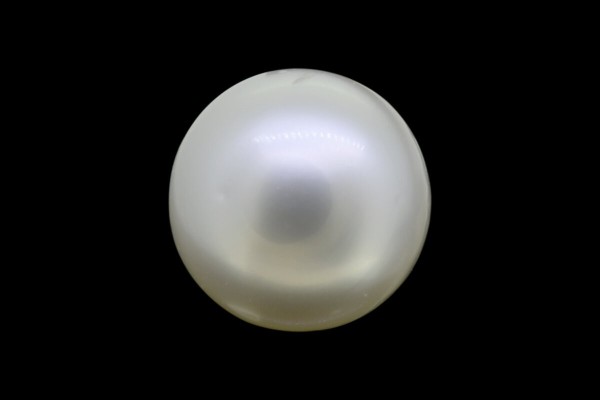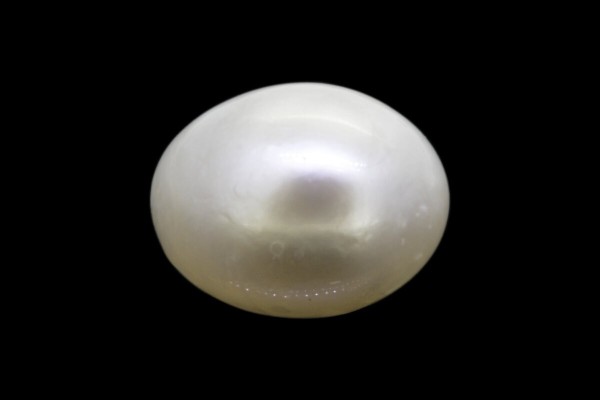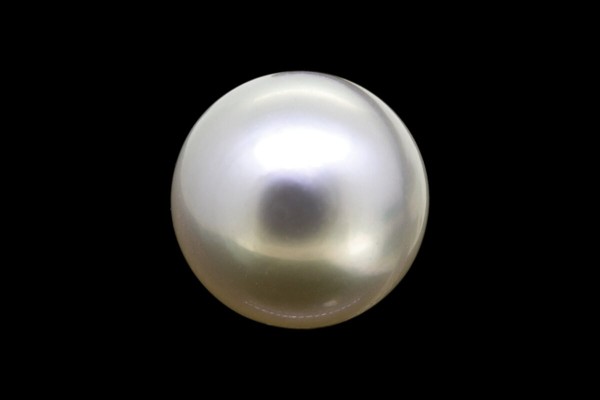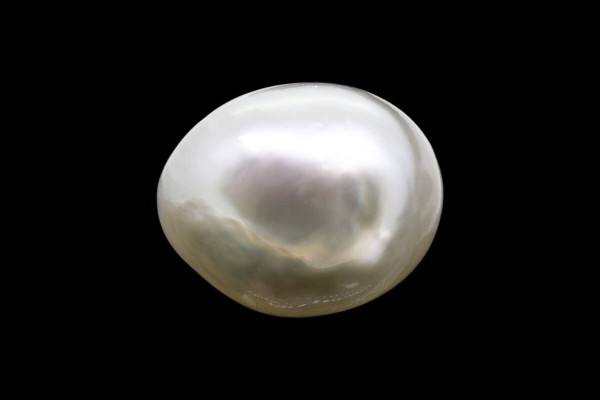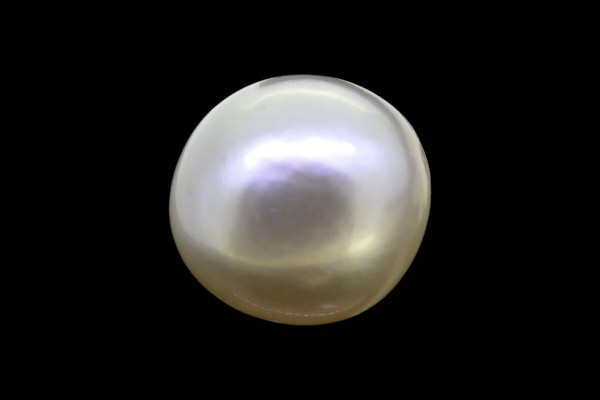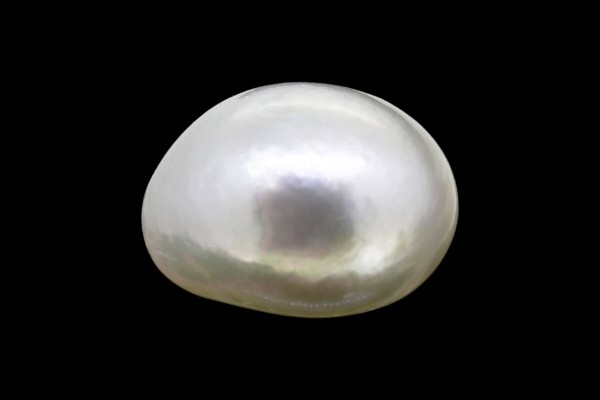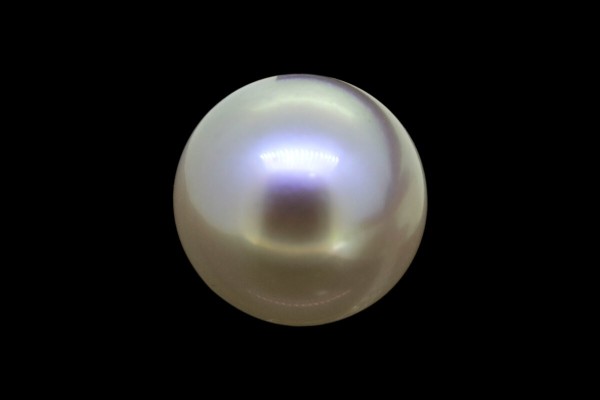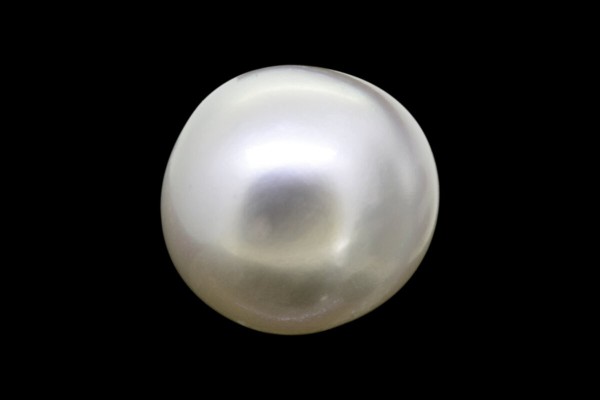
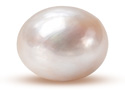


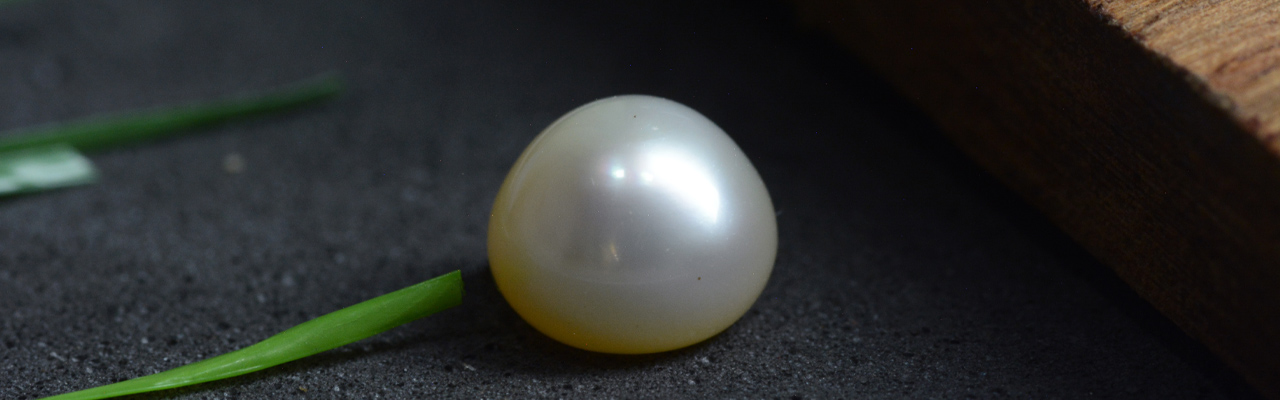
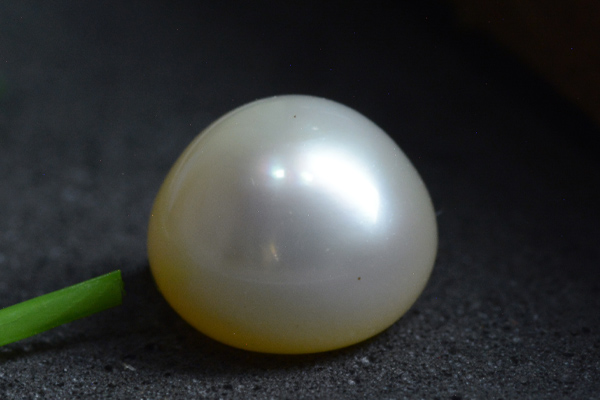
Pearls have always carried a soft, graceful charm. Unlike gemstones that are cut and polished from mineral crystals, pearls are born inside living molluscs, giving them a natural warmth that feels gentle, elegant, and emotional. For many buyers, a pearl is not just a jewellery choice. It may be selected for Vedic astrology, gifted as a symbol of purity, worn as a timeless fashion statement, or preserved as a meaningful heirloom.
But when customers start looking for pearls, the confusion begins. Some sellers use terms like Basra Moti, South Sea pearl, Akoya pearl, Keshi pearl, freshwater pearl, real pearl, natural pearl, and cultured pearl very loosely. Many buyers are told that every pearl is “real,” but that does not mean every pearl is natural. This is where clarity becomes extremely important.
But when customers start looking for pearls, the confusion begins. Some sellers use terms like Basra Moti, South Sea pearl, Akoya pearl, Keshi pearl, freshwater pearl, real pearl, natural pearl, and cultured pearl very loosely. Many buyers are told that every pearl is “real,” but that does not mean every pearl is natural. This is where clarity becomes extremely important.
Understanding the Two Main Types of Pearls
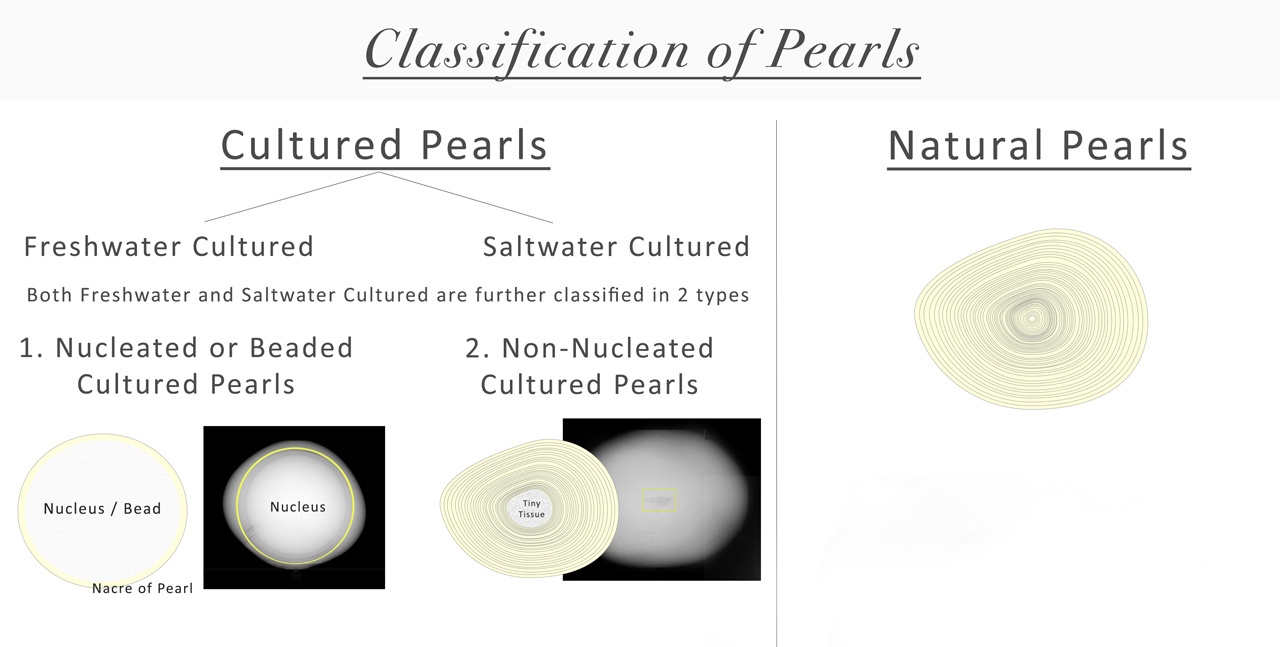
Broadly, pearls are divided into two main categories: Natural Pearls and Cultured Pearls.
A natural pearl forms without human intervention. It develops naturally inside a mollusc when a natural irritant or internal process causes layers of nacre to form over time. These pearls are extremely rare, which is why they are valued highly by collectors, traditional buyers, and astrology-focused customers.
A cultured pearl also forms inside a living mollusc, but with human intervention. In pearl farming, a nucleus, tissue graft, or other process is introduced to encourage pearl formation. Cultured pearls are genuine pearls in the sense that they are formed by molluscs and contain nacre, but they are not the same as natural pearls.
This difference matters because the purpose of buying a pearl changes the buying preference. A person buying a pearl necklace may happily choose a beautiful cultured pearl. But a person buying a pearl for Vedic astrology may prefer a natural pearl or, as a second preference, a non-beaded saltwater Keshi pearl.
A natural pearl forms without human intervention. It develops naturally inside a mollusc when a natural irritant or internal process causes layers of nacre to form over time. These pearls are extremely rare, which is why they are valued highly by collectors, traditional buyers, and astrology-focused customers.
A cultured pearl also forms inside a living mollusc, but with human intervention. In pearl farming, a nucleus, tissue graft, or other process is introduced to encourage pearl formation. Cultured pearls are genuine pearls in the sense that they are formed by molluscs and contain nacre, but they are not the same as natural pearls.
This difference matters because the purpose of buying a pearl changes the buying preference. A person buying a pearl necklace may happily choose a beautiful cultured pearl. But a person buying a pearl for Vedic astrology may prefer a natural pearl or, as a second preference, a non-beaded saltwater Keshi pearl.
What Is Basra Moti?
In the Indian gemstone trade, the term Basra Moti is commonly used for natural pearls. Historically, Basra pearls were associated with the Persian Gulf region, especially the pearl trade connected with Basra in Iraq and nearby Gulf waters. Over time, however, the term “Basra” became a broad market term used by many sellers for natural pearls.
This creates confusion. Today, many pearls sold as “Basra” may simply be natural pearls, while some may not even be properly tested. A reputed laboratory can identify whether a pearl is natural or cultured and whether it is freshwater or saltwater, but determining the exact geographical origin of a pearl is extremely difficult. Even advanced laboratories generally focus on technical identification rather than confirming a pearl as being from “Basra” in the way the market often claims.
As a buyer, it is better to focus on what the certificate says technically: natural pearl, cultured pearl, freshwater, saltwater, beaded, non-beaded, and any treatment details. These terms are more reliable than emotional trade names.
This creates confusion. Today, many pearls sold as “Basra” may simply be natural pearls, while some may not even be properly tested. A reputed laboratory can identify whether a pearl is natural or cultured and whether it is freshwater or saltwater, but determining the exact geographical origin of a pearl is extremely difficult. Even advanced laboratories generally focus on technical identification rather than confirming a pearl as being from “Basra” in the way the market often claims.
As a buyer, it is better to focus on what the certificate says technically: natural pearl, cultured pearl, freshwater, saltwater, beaded, non-beaded, and any treatment details. These terms are more reliable than emotional trade names.
Cultured Pearl Varieties: South Sea, Akoya and Freshwater
Cultured pearls are widely available and are popular for jewellery because they offer beauty, variety, and better availability than natural pearls.
Freshwater Cultured Pearls
Freshwater cultured pearls are usually grown in freshwater lakes, rivers, or ponds. In the market, many affordable pearls sold as “Hyderabadi pearls” or “Chinese pearls” are freshwater cultured pearls. They are available in many shapes and sizes and are commonly used in fashion jewellery, daily wear jewellery, and budget-friendly pearl ornaments.
Freshwater cultured pearls can be attractive, but they should not be confused with natural pearls. For buyers focused on Vedic astrology, freshwater cultured pearls are generally not the first preference.
Freshwater cultured pearls can be attractive, but they should not be confused with natural pearls. For buyers focused on Vedic astrology, freshwater cultured pearls are generally not the first preference.
Akoya Pearls
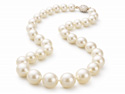
Akoya pearls are saltwater cultured pearls, traditionally associated with Japan. They are known for their classic white colour, round shape, and sharp lustre. When people imagine a traditional elegant pearl necklace, they are often thinking of Akoya-style pearls.
Akoya pearls are excellent for fine jewellery, especially earrings, necklaces, and classic pearl strands. They are loved by buyers who want a refined, graceful, and timeless appearance. However, they are cultured pearls, not natural pearls.
Akoya pearls are excellent for fine jewellery, especially earrings, necklaces, and classic pearl strands. They are loved by buyers who want a refined, graceful, and timeless appearance. However, they are cultured pearls, not natural pearls.
South Sea Pearls
South Sea pearls are saltwater cultured pearls, usually larger in size and known for their luxurious appearance. They are often found in white, silver, and golden tones. Because of their size and glow, South Sea pearls are popular in high-end jewellery, statement earrings, pendants, and premium pearl strands.
For jewellery buyers, South Sea pearls can be a beautiful choice when the priority is size, elegance, and luxury. But again, they are cultured pearls and should not be marketed as natural pearls.
For jewellery buyers, South Sea pearls can be a beautiful choice when the priority is size, elegance, and luxury. But again, they are cultured pearls and should not be marketed as natural pearls.
What Are Keshi Pearls?
Keshi pearls are non-beaded pearls, usually formed as a by-product of pearl cultivation. Since they do not have a bead nucleus inside, their formation is considered closer to natural pearl formation compared to beaded cultured pearls. They are often irregular in shape and can have a beautiful organic lustre.
At Nine Gems, for astrology-focused buyers, the first preference is given to natural pearls. As a second preference, saltwater non-beaded Keshi pearls may be considered because their formation is closer to that of natural pearls. However, buyers should still understand that Keshi pearls are generally classified as cultured pearls when they originate from pearl farming.
For jewellery, Keshi pearls are loved for their natural-looking shapes. They are especially suitable for buyers who prefer something artistic, organic, and less commercial-looking than perfectly round pearls.
At Nine Gems, for astrology-focused buyers, the first preference is given to natural pearls. As a second preference, saltwater non-beaded Keshi pearls may be considered because their formation is closer to that of natural pearls. However, buyers should still understand that Keshi pearls are generally classified as cultured pearls when they originate from pearl farming.
For jewellery, Keshi pearls are loved for their natural-looking shapes. They are especially suitable for buyers who prefer something artistic, organic, and less commercial-looking than perfectly round pearls.
The Confusion Around “Real Pearls”
One of the most misleading terms in the pearl market is “real pearl.” A cultured pearl can be called real because it is not plastic or imitation. But that does not mean it is natural.
This is where customers often get misled. A seller may say, “This is a real pearl,” and the buyer may assume it is a natural Basra Moti. In reality, it may be a freshwater cultured pearl, Akoya pearl, South Sea pearl, or another cultured variety.
A better question to ask is not only “Is this real?” but also:
Is it natural or cultured?
Is it freshwater or saltwater?
Is it beaded or non-beaded?
Is it certified by a reputed pearl-testing laboratory?
Does the certificate mention any treatment?
These questions protect the buyer from confusing trade language.
This is where customers often get misled. A seller may say, “This is a real pearl,” and the buyer may assume it is a natural Basra Moti. In reality, it may be a freshwater cultured pearl, Akoya pearl, South Sea pearl, or another cultured variety.
A better question to ask is not only “Is this real?” but also:
Is it natural or cultured?
Is it freshwater or saltwater?
Is it beaded or non-beaded?
Is it certified by a reputed pearl-testing laboratory?
Does the certificate mention any treatment?
These questions protect the buyer from confusing trade language.
Pearl Certification: Why It Matters
Pearl testing is a specialised field. Differentiating between natural pearls and non-beaded cultured pearls, especially Keshi pearls, can be challenging even for laboratories. That is why certification is extremely important when buying a natural pearl.
If you are buying a high-value natural pearl or Basra Moti, prefer certification from reputed laboratories such as GIA, DANAT Bahrain, The Pearl Testing Laboratory of Bahrain, GRS, SSEF Switzerland, or equivalent advanced gem-testing laboratories. These laboratories use specialised equipment and methods to study the internal structure of pearls and identify whether they are natural or cultured.
For a buyer, this certificate is not just a document. It protects trust, value, and peace of mind. It also helps future resale, inheritance, or collector value because the pearl is supported by technical identification rather than only a seller’s verbal claim.
If you are buying a high-value natural pearl or Basra Moti, prefer certification from reputed laboratories such as GIA, DANAT Bahrain, The Pearl Testing Laboratory of Bahrain, GRS, SSEF Switzerland, or equivalent advanced gem-testing laboratories. These laboratories use specialised equipment and methods to study the internal structure of pearls and identify whether they are natural or cultured.
For a buyer, this certificate is not just a document. It protects trust, value, and peace of mind. It also helps future resale, inheritance, or collector value because the pearl is supported by technical identification rather than only a seller’s verbal claim.
Which Pearl Should You Choose?
The right pearl depends on your purpose.
For Vedic astrology, many traditional buyers prefer natural pearls because they are formed without human intervention. At Nine Gems, natural pearls are given first preference for astrology-focused customers. Saltwater non-beaded Keshi pearls may be considered as a second preference, but astrological effects should always be understood as traditional beliefs, not guaranteed outcomes.
For fine jewellery, cultured pearls like South Sea, Akoya, and high-quality freshwater pearls can be excellent choices. They offer beauty, matching, size options, and better availability. A South Sea pearl may suit a luxury pendant, while Akoya pearls are ideal for classic necklaces and earrings.
For collectors, natural pearls are the most desirable because of their rarity. A fine natural pearl with strong lustre, attractive shape, and reputed certification can be a meaningful collectible.
For gifting, pearls are emotionally beautiful. They feel gentle, elegant, and timeless. Whether you choose a certified natural pearl or a cultured pearl jewellery piece, the pearl should match the personality, purpose, and sentiment behind the gift.
For Vedic astrology, many traditional buyers prefer natural pearls because they are formed without human intervention. At Nine Gems, natural pearls are given first preference for astrology-focused customers. Saltwater non-beaded Keshi pearls may be considered as a second preference, but astrological effects should always be understood as traditional beliefs, not guaranteed outcomes.
For fine jewellery, cultured pearls like South Sea, Akoya, and high-quality freshwater pearls can be excellent choices. They offer beauty, matching, size options, and better availability. A South Sea pearl may suit a luxury pendant, while Akoya pearls are ideal for classic necklaces and earrings.
For collectors, natural pearls are the most desirable because of their rarity. A fine natural pearl with strong lustre, attractive shape, and reputed certification can be a meaningful collectible.
For gifting, pearls are emotionally beautiful. They feel gentle, elegant, and timeless. Whether you choose a certified natural pearl or a cultured pearl jewellery piece, the pearl should match the personality, purpose, and sentiment behind the gift.
Final Thoughts
The world of pearls is beautiful, but the trade terms can be confusing. Basra Moti, South Sea, Akoya, Keshi, freshwater, saltwater, real pearl, natural pearl, and cultured pearl all mean different things. As a buyer, you should not depend only on market names. Focus on technical clarity, certification, purpose, and honest guidance.
If you are buying for astrology, natural pearls are traditionally preferred, with saltwater non-beaded Keshi pearls as a possible second preference. If you are buying for jewellery, cultured pearls such as South Sea and Akoya can offer excellent beauty and elegance.
At Nine Gems, our focus is to help you choose pearls with clarity, transparency, and confidence. Explore our pearl collection, ask about certification, or book an appointment with our team for personalised gemstone selection guidance.
If you are buying for astrology, natural pearls are traditionally preferred, with saltwater non-beaded Keshi pearls as a possible second preference. If you are buying for jewellery, cultured pearls such as South Sea and Akoya can offer excellent beauty and elegance.
At Nine Gems, our focus is to help you choose pearls with clarity, transparency, and confidence. Explore our pearl collection, ask about certification, or book an appointment with our team for personalised gemstone selection guidance.
Frequently Asked Questions
Is Basra Moti the same as a natural pearl?
In the Indian trade, Basra Moti is commonly used to refer to natural pearls. However, the term is often used loosely. A reputed certificate confirming “natural pearl” is more important than the trade name Basra.
Are cultured pearls fake?
No. Cultured pearls are not synthetic/immitation pearls, but they formed inside molluscs with human intervention. They are different from imitation pearls, which may be made from glass, plastic, or shell material.
Are South Sea and Akoya pearls natural?
Most South Sea and Akoya pearls available in the market are cultured saltwater pearls (beaded). They are excellent for jewellery but should not be confused with natural pearls.
Are Keshi pearls suitable for astrology?
As per traditional preference, natural pearls are the first choice for Vedic astrology. Saltwater non-beaded Keshi pearls may be considered as a second preference because their formation is closer to natural pearls.
Can a lab confirm that a pearl is from Basra?
Reputed laboratories like Gemological Institute of America (GIA), DANAT (Bahrain), SSEF (Switzerland), can identify important technical details such as natural or cultured origin, freshwater or saltwater formation, species of oyster and internal structure. However, confirming exact geographical origin such as “Basra” is generally not reliable in the same way market terms suggest.
External Sources
Written by Sanjay Jain, FGA (Gemologist)
About the Author: Sanjay Jain is a Fellow of the Gemmological Association of Great Britain (FGA) and completed his professional gemology education with Gem-A, UK, in 2011. With extensive experience in natural coloured gemstones, he focuses on gemstone identification, quality evaluation, treatments, certification and practical buying guidance. Through his articles, he aims to simplify gemological concepts and help consumers make informed and transparent gemstone-buying decisions.