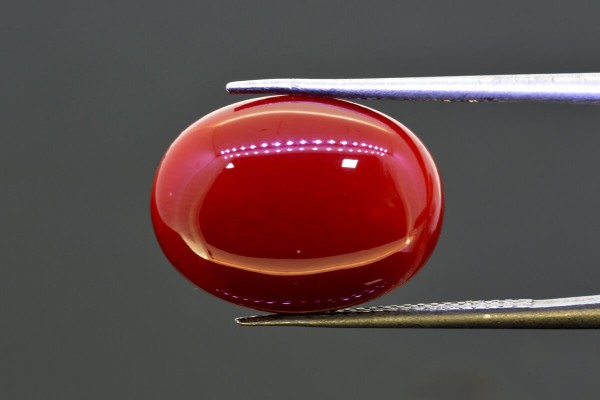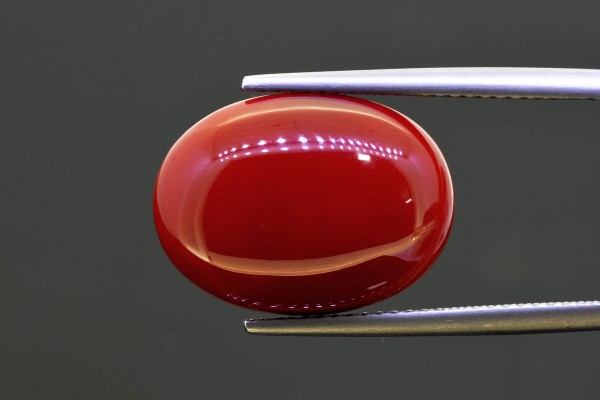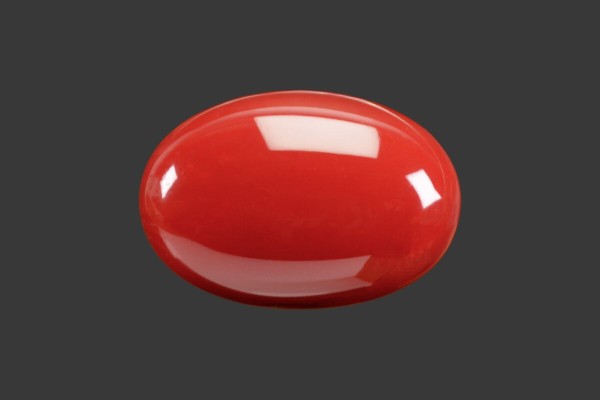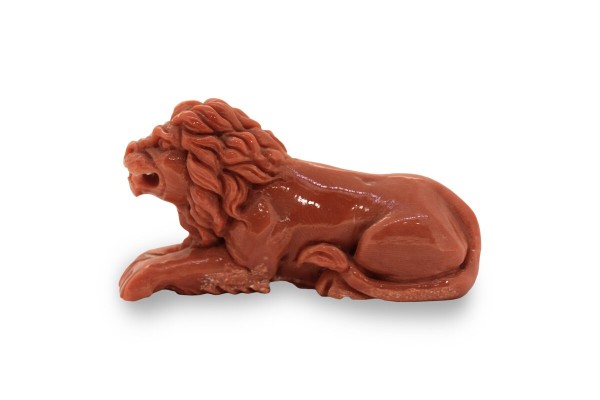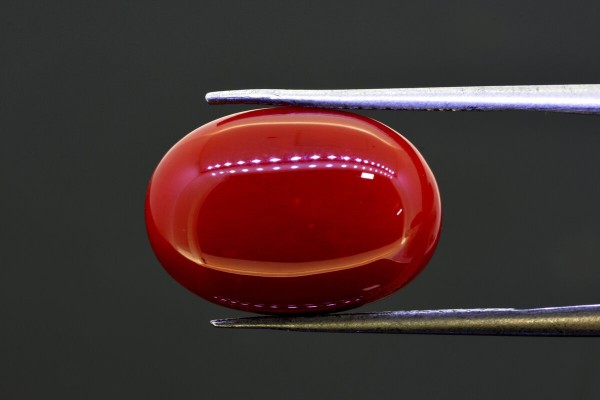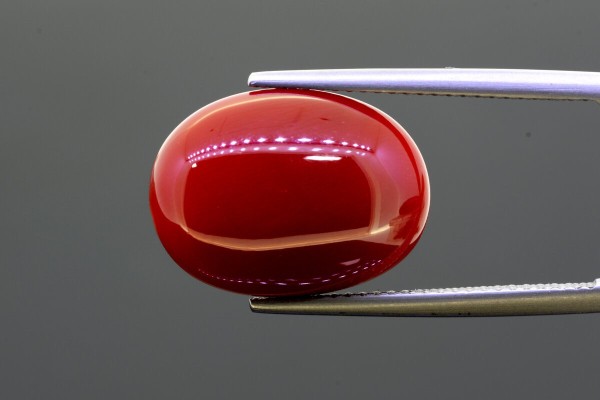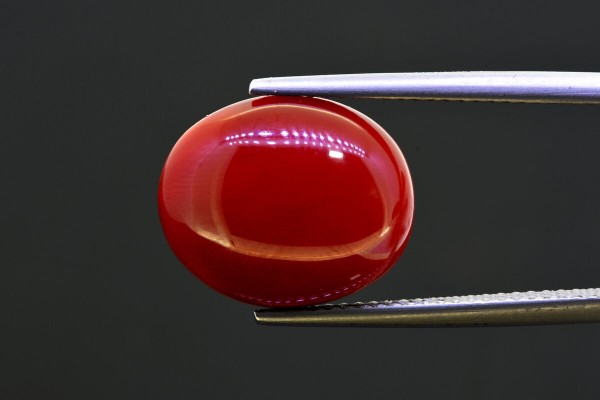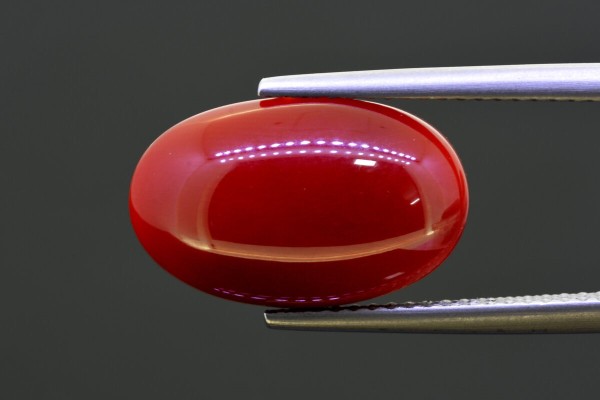


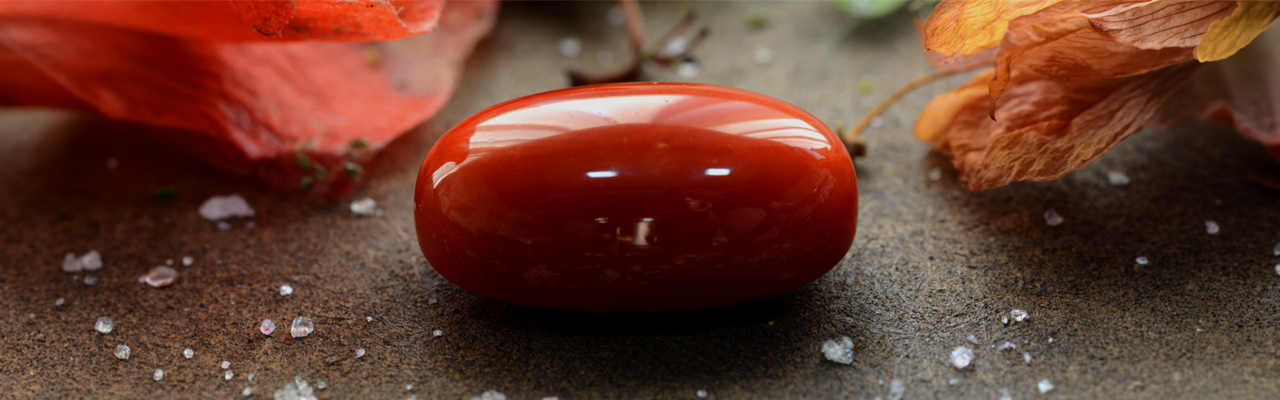
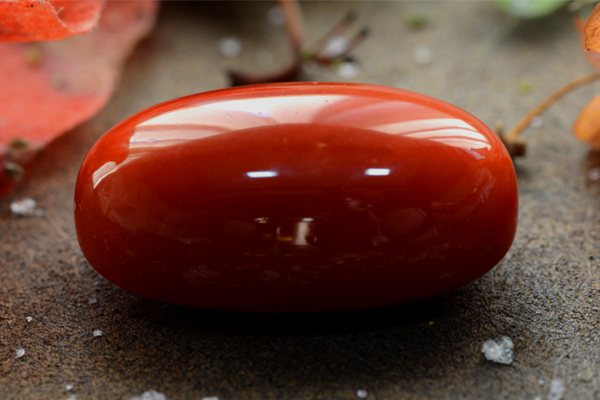
Red Coral is unlike most gemstones worn in jewellery. It is not a mineral crystal formed deep inside the earth. It is an organic gem material obtained from the skeletal structure of certain marine coral species. Although thousands of coral species exist, only a very small number are classified as precious coral suitable for jewellery. (CIBJO)
Known as Moonga in Hindi and often called Lal Prabal by Bengali-speaking buyers and Awla or Pawlam or Pagdam in South India. Red Coral has a particularly important place in the Indian gemstone market. Most buyers choose it after receiving an astrological recommendation rather than only for its appearance. This makes natural identity, treatment disclosure, durability and proper care especially important.
Known as Moonga in Hindi and often called Lal Prabal by Bengali-speaking buyers and Awla or Pawlam or Pagdam in South India. Red Coral has a particularly important place in the Indian gemstone market. Most buyers choose it after receiving an astrological recommendation rather than only for its appearance. This makes natural identity, treatment disclosure, durability and proper care especially important.
What Makes a Fine Red Coral Gemstone?
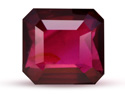
Red Coral occurs in shades ranging from light orange-red and salmon-red to rich, deeper red. Buyers often prefer a strong, evenly distributed red colour with an attractive polish and minimal visible surface defects.
A fine-quality coral should ideally have:
* An even and appealing natural colour
* A smooth, well-polished surface
* Good structural stability
* Low visible porosity
* Minimal cracks, cavities or prominent white veins
* Proper disclosure of treatments or enhancements
Deep red material is generally more difficult to find and may command a higher price. However, colour alone should never determine quality. A heavily treated or dyed coral may look intensely red while having considerably lower rarity, durability and long-term desirability.
For an astrology-focused buyer, a naturally attractive, structurally stable and properly identified coral is usually a better choice than a larger but highly porous or heavily enhanced stone.
A fine-quality coral should ideally have:
* An even and appealing natural colour
* A smooth, well-polished surface
* Good structural stability
* Low visible porosity
* Minimal cracks, cavities or prominent white veins
* Proper disclosure of treatments or enhancements
Deep red material is generally more difficult to find and may command a higher price. However, colour alone should never determine quality. A heavily treated or dyed coral may look intensely red while having considerably lower rarity, durability and long-term desirability.
For an astrology-focused buyer, a naturally attractive, structurally stable and properly identified coral is usually a better choice than a larger but highly porous or heavily enhanced stone.
Red Coral and Vedic Astrology
As per Vedic astrology, Red Coral is traditionally associated with Mars, or Mangal. It is commonly recommended by astrologers for individuals whose horoscope may benefit from strengthening the influence of Mars.
Astrological beliefs traditionally connect Red Coral with qualities such as energy, courage, determination, confidence and the ability to take action. These are traditional beliefs rather than scientifically guaranteed outcomes. Buyers should consult a knowledgeable astrologer to determine whether Red Coral is suitable for their individual horoscope.
Many astrology-focused customers prefer natural coral with minimal enhancement. However, “natural” does not automatically mean untreated. A coral may be of natural origin but still be dyed, impregnated or filled. Moderate - Minor Colorless Filling of Wax or Polymer is considered a accepted practice in the trade and is often not mentioned on the reports.
Astrological beliefs traditionally connect Red Coral with qualities such as energy, courage, determination, confidence and the ability to take action. These are traditional beliefs rather than scientifically guaranteed outcomes. Buyers should consult a knowledgeable astrologer to determine whether Red Coral is suitable for their individual horoscope.
Many astrology-focused customers prefer natural coral with minimal enhancement. However, “natural” does not automatically mean untreated. A coral may be of natural origin but still be dyed, impregnated or filled. Moderate - Minor Colorless Filling of Wax or Polymer is considered a accepted practice in the trade and is often not mentioned on the reports.
Italian and Japanese Red Coral
Precious Red Coral has historically been sourced from Mediterranean waters, including regions near Italy, as well as waters around Japan and Taiwan.
Italian or Mediterranean coral is widely appreciated for its attractive red to orange-red colour. Some pieces may naturally contain visible veins, growth features or areas of porosity. These are not always defects, but their position and extent can affect the coral’s appearance and resistance to daily wear.
Japanese coral is often valued for its rich colour and comparatively dense or stable structure in finer specimens.
Both Italian and Japanese corals can be suitable for jewellery or astrology-focused purchases when their identity and treatments are properly disclosed. Buyers should avoid choosing solely on the basis of origin. The quality of the individual coral is more important.
Both Italian and Japanese corals can be suitable for jewellery or astrology-focused purchases when their identity and treatments are properly disclosed. Buyers should avoid choosing solely on the basis of origin. The quality of the individual coral is more important.
Why Red Coral Requires Special Care
The most important fact for any Red Coral buyer is that coral is delicate. Precious coral has a hardness of approximately 3½ on the Mohs scale, making it considerably softer than gemstones such as ruby, sapphire or diamond. (CIBJO)
Its organic and potentially porous structure can absorb or react with materials encountered during daily life. A coral ring may look strong because of its smooth polish, but repeated exposure to soap, cosmetics and chemicals can gradually reduce its shine, change its colour or weaken its surface.
This does not necessarily mean the coral is defective. It means the gemstone has not been protected according to the care its natural structure requires.
Its organic and potentially porous structure can absorb or react with materials encountered during daily life. A coral ring may look strong because of its smooth polish, but repeated exposure to soap, cosmetics and chemicals can gradually reduce its shine, change its colour or weaken its surface.
This does not necessarily mean the coral is defective. It means the gemstone has not been protected according to the care its natural structure requires.
Essential Red Coral Care Tips
Remove Coral Jewellery Before Bathing: Do not wear a Red Coral ring while bathing or washing your hands with soap. Soap residue can settle on the surface and enter microscopic pores, making the coral appear dull over time.
Keep It Away from Detergents and Cleaning Chemicals: Remove coral jewellery before washing clothes, utensils or cleaning the home. Detergents, floor cleaners, bleach and other household chemicals may damage the polish, affect treated areas or alter the gemstone’s appearance.
Apply Perfume and Cosmetics First: Perfumes, deodorants, hairsprays, creams, sanitisers and cosmetic products may contain alcohol, oils or chemicals. Apply these products first and allow them to dry before wearing your coral jewellery.
Avoid Alcohol and Hand Sanitiser: Alcohol-based sanitisers and cleaning solutions can be particularly risky for dyed, resin-filled or impregnated coral. Repeated exposure may affect the surface or treatment stability.
Be Careful During Religious Rituals: Many astrology buyers place a new gemstone in milk, kumkum, oils, honey or other ritual substances before wearing it. Because coral can be porous, these materials may be absorbed and could permanently stain or alter its surface.
Buyers wishing to perform a ritual should ask their astrologer whether the ceremony can be completed without immersing the coral in liquids or coloured powders.
Avoid Ultrasonic and Steam Cleaning: Do not place Red Coral in an ultrasonic cleaner, steam cleaner or hot cleaning solution. Heat, vibration and solvents can negatively affect delicate or treated gemstones. (GIA)
Prevent Scratches and Impact: Store Red Coral separately from diamonds, sapphires, rubies and other harder gemstones. Use a soft pouch or lined jewellery box. Avoid striking the stone against tables, doors or hard surfaces.
Clean It Gently: After wearing, wipe the coral with a clean, soft and slightly damp cloth. Dry it immediately with a lint-free cloth. Avoid soaking it for long periods or using commercial jewellery-cleaning liquids unless specifically approved for coral.
Keep It Away from Detergents and Cleaning Chemicals: Remove coral jewellery before washing clothes, utensils or cleaning the home. Detergents, floor cleaners, bleach and other household chemicals may damage the polish, affect treated areas or alter the gemstone’s appearance.
Apply Perfume and Cosmetics First: Perfumes, deodorants, hairsprays, creams, sanitisers and cosmetic products may contain alcohol, oils or chemicals. Apply these products first and allow them to dry before wearing your coral jewellery.
Avoid Alcohol and Hand Sanitiser: Alcohol-based sanitisers and cleaning solutions can be particularly risky for dyed, resin-filled or impregnated coral. Repeated exposure may affect the surface or treatment stability.
Be Careful During Religious Rituals: Many astrology buyers place a new gemstone in milk, kumkum, oils, honey or other ritual substances before wearing it. Because coral can be porous, these materials may be absorbed and could permanently stain or alter its surface.
Buyers wishing to perform a ritual should ask their astrologer whether the ceremony can be completed without immersing the coral in liquids or coloured powders.
Avoid Ultrasonic and Steam Cleaning: Do not place Red Coral in an ultrasonic cleaner, steam cleaner or hot cleaning solution. Heat, vibration and solvents can negatively affect delicate or treated gemstones. (GIA)
Prevent Scratches and Impact: Store Red Coral separately from diamonds, sapphires, rubies and other harder gemstones. Use a soft pouch or lined jewellery box. Avoid striking the stone against tables, doors or hard surfaces.
Clean It Gently: After wearing, wipe the coral with a clean, soft and slightly damp cloth. Dry it immediately with a lint-free cloth. Avoid soaking it for long periods or using commercial jewellery-cleaning liquids unless specifically approved for coral.
Should Red Coral Be Worn Every Day?
Red Coral can be worn regularly, but daily wear requires discipline. Rings are more exposed to soap, water, impact and household chemicals than pendants. Buyers who frequently work with water, sanitisers, perfumes or cleaning products should remove the ring before such activities.
A protective jewellery setting can reduce accidental impact, but no setting can protect the coral from chemicals absorbed through the exposed surface.
If the coral develops dullness, colour changes, new cavities or visible surface damage, have it inspected by an experienced gemologist or jeweller. Avoid home polishing because excessive polishing can remove material and change the coral’s dimensions.
A protective jewellery setting can reduce accidental impact, but no setting can protect the coral from chemicals absorbed through the exposed surface.
If the coral develops dullness, colour changes, new cavities or visible surface damage, have it inspected by an experienced gemologist or jeweller. Avoid home polishing because excessive polishing can remove material and change the coral’s dimensions.
Certification and Disclosure Before Buying Red Coral
A gemstone report can help identify whether the material is coral and disclose detectable treatments. However, buyers should also verify the reputation of the testing laboratory and read the description carefully.
Do not rely only on statements such as “certified,” “Italian,” “Japanese” or “natural.” Ask whether the report addresses:
* Identification of the material
* Natural colour or indications of dyeing
* Any significant treatment detected (Most Red corals are impregnated with colorless polymer, resin or wax which is considered a accepted trade practice)
Nine Gems specialises in natural gemstones selected for astrological, traditional and jewellery requirements. Gemstones are offered with laboratory reporting and treatment disclosure according to the product and certification selected.
Buyers may also review the Nine Gems Red Coral collection, Gemstone Selection Process, Gem Authenticity, Gemstone Buyers Guide and Report Verification resources before making a purchase.
Do not rely only on statements such as “certified,” “Italian,” “Japanese” or “natural.” Ask whether the report addresses:
* Identification of the material
* Natural colour or indications of dyeing
* Any significant treatment detected (Most Red corals are impregnated with colorless polymer, resin or wax which is considered a accepted trade practice)
Nine Gems specialises in natural gemstones selected for astrological, traditional and jewellery requirements. Gemstones are offered with laboratory reporting and treatment disclosure according to the product and certification selected.
Buyers may also review the Nine Gems Red Coral collection, Gemstone Selection Process, Gem Authenticity, Gemstone Buyers Guide and Report Verification resources before making a purchase.
Frequently Asked Questions
Is Red Coral suitable for everyday wear?
Yes, but it requires careful handling. Remove it before bathing, washing your hands with soap, cleaning, exercising or applying perfume and sanitiser.
Can Red Coral lose its colour or polish?
Exposure to chemicals, detergents, cosmetics, friction and improper cleaning can make coral dull or alter its appearance. Usually the original color can be restored on re-polishing the coral if it has not been enhanced.
Is Japanese Red Coral always better than Italian coral?
Most fine Japanese corals are valued for colour and structural stability, but quality varies. Polymer or wax may not be required to polish these structurally stable Japanese Corals, which is usually required in case of Italian Corals.
Can I dip my Moonga in milk or kumkum before wearing it?
It is safer to avoid immersing coral in milk, kumkum, oils or coloured ritual materials because the gemstone may absorb them. Ask your astrologer whether a dry or non-immersive ritual can be followed. Alternatively, you can dip in "Ganga Jal" for such rituals which is usually safe on Corals.
External Sources
Written by Sanjay Jain, FGA (Gemologist)
About the Author: Sanjay Jain is a Fellow of the Gemmological Association of Great Britain (FGA) and completed his professional gemology education with Gem-A, UK, in 2011. With extensive experience in natural coloured gemstones, he focuses on gemstone identification, quality evaluation, treatments, certification and practical buying guidance. Through his articles, he aims to simplify gemological concepts and help consumers make informed and transparent gemstone-buying decisions.