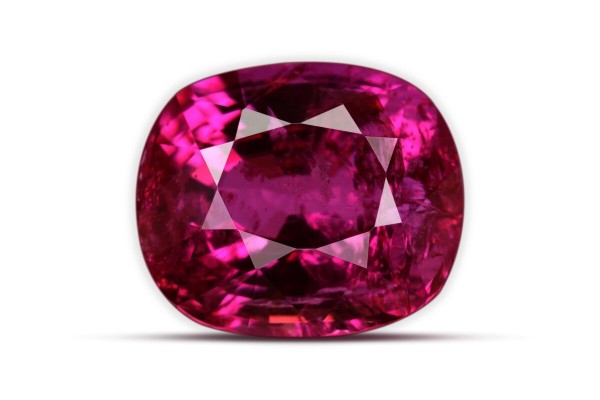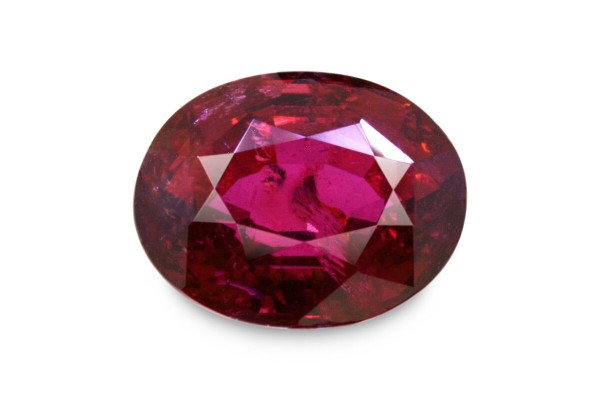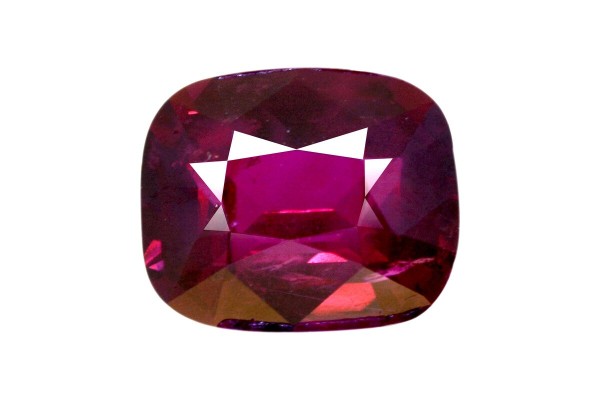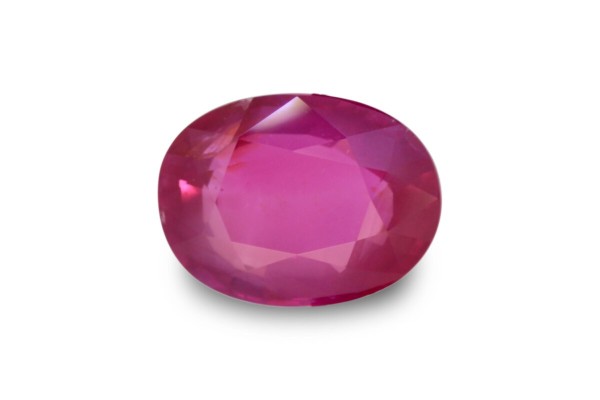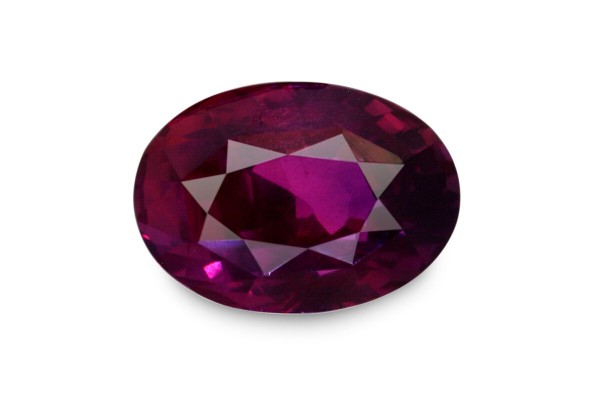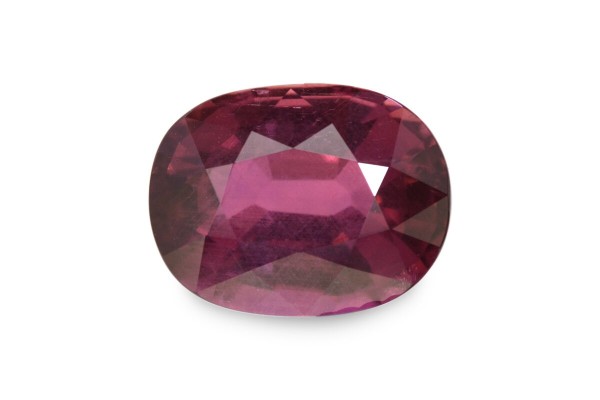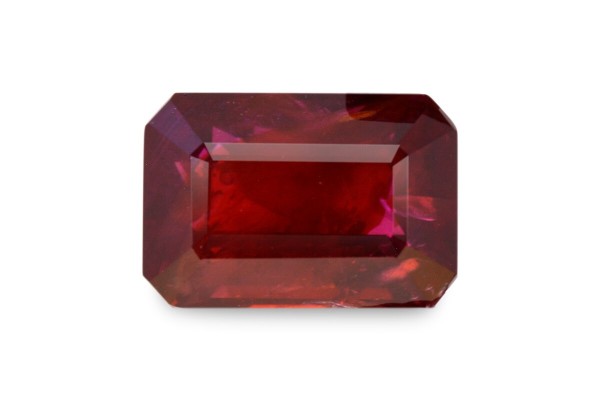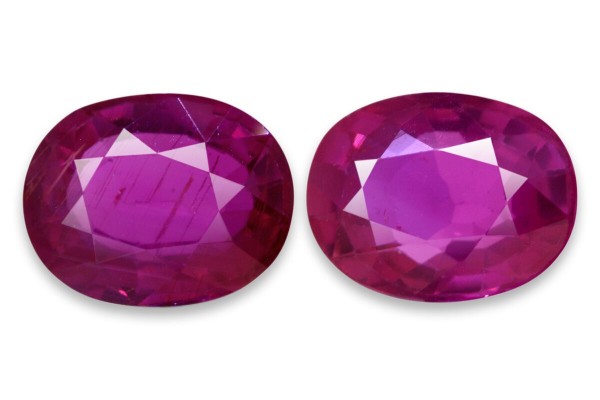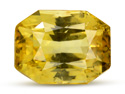
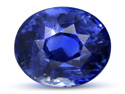
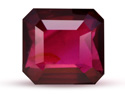
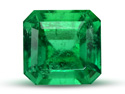

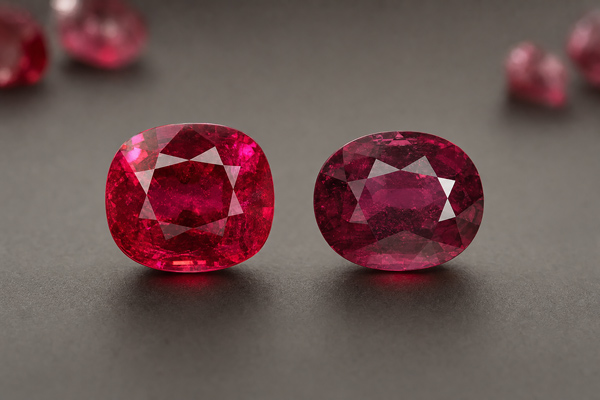
When buyers begin searching for a natural ruby, one question appears repeatedly: Should I buy a Burma ruby or consider rubies from mozambique and other sources? Burmese rubies have enjoyed a legendary reputation for generations, while newer deposits have become important sources of beautiful, high-quality rubies. However, the name of the origin alone does not tell you whether an individual ruby is good or poor.
A fine ruby should ultimately be judged by its colour, transparency, inclusions, cut, treatment, size and overall visual character. Origin can influence rarity and price, but it should never replace a careful evaluation of the gemstone itself.
A fine ruby should ultimately be judged by its colour, transparency, inclusions, cut, treatment, size and overall visual character. Origin can influence rarity and price, but it should never replace a careful evaluation of the gemstone itself.
Why Are Burma Rubies So Highly Valued?
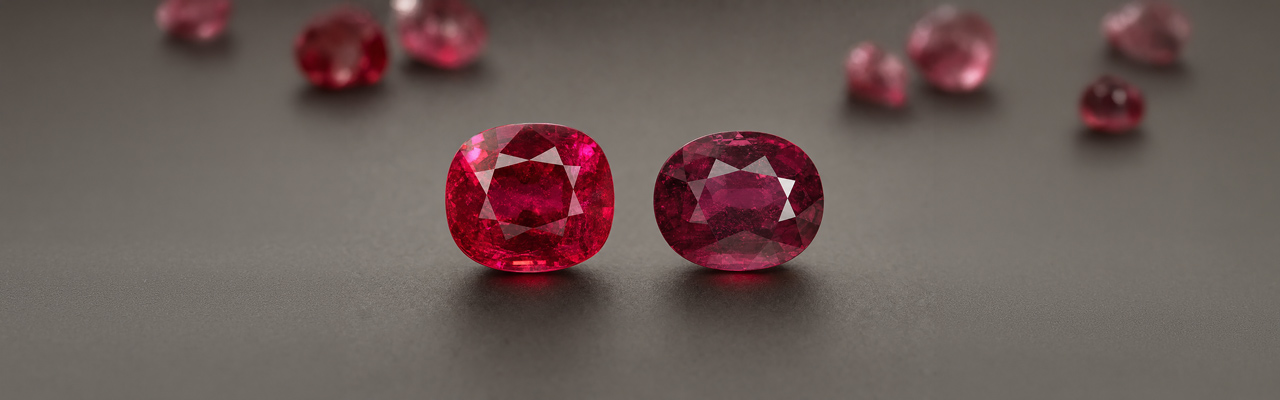
The finest Burmese rubies, particularly those historically associated with the Mogok region, are admired for their bright, vivid red appearance. In exceptional stones, the colour can appear as though a soft red light is glowing from within the gemstone. Because of this exceptional colour, reputed gemological laboratories such as GRS may use special trade terms like “Vivid Red” or “Pigeon Red” to describe top-quality rubies.
This visual effect is partly connected to chromium, the element responsible for ruby’s red colour, combined with relatively low iron content in many marble-hosted Burmese rubies. Chromium can produce red fluorescence, while iron generally reduces or suppresses this reaction. As a result, certain Burma rubies may display a noticeable red glow under sunlight or ultraviolet light, adding life and intensity to their appearance.
However, not every Burmese ruby possesses this exceptional colour or fluorescence. Burma also produces commercial-quality, included, dark, pinkish and treated rubies. The origin may be prestigious, but the individual quality can still vary considerably.
This visual effect is partly connected to chromium, the element responsible for ruby’s red colour, combined with relatively low iron content in many marble-hosted Burmese rubies. Chromium can produce red fluorescence, while iron generally reduces or suppresses this reaction. As a result, certain Burma rubies may display a noticeable red glow under sunlight or ultraviolet light, adding life and intensity to their appearance.
However, not every Burmese ruby possesses this exceptional colour or fluorescence. Burma also produces commercial-quality, included, dark, pinkish and treated rubies. The origin may be prestigious, but the individual quality can still vary considerably.
How Do Rubies from Other Sources Compare?
Rubies from mozambique and other regions are available across a wide range of qualities. Some may have a slightly darker or deeper appearance because of differences in their trace-element chemistry, including higher iron levels in many stones. Others can show rich, vivid red colour, impressive transparency and excellent brilliance.
Fine rubies from these sources can be more visually attractive than average-quality Burmese rubies. In fact, exceptional stones with vivid colour, strong fluorescence and relatively low iron content are not limited to any single origin and can occasionally be found in multiple regions.
For jewellery buyers, rubies from mozambique and similar sources can offer an excellent balance of colour, size, clarity and budget. A buyer may be able to select a larger or cleaner ruby for the same amount that would purchase a smaller Burmese stone carrying an origin premium.
Fine rubies from these sources can be more visually attractive than average-quality Burmese rubies. In fact, exceptional stones with vivid colour, strong fluorescence and relatively low iron content are not limited to any single origin and can occasionally be found in multiple regions.
For jewellery buyers, rubies from mozambique and similar sources can offer an excellent balance of colour, size, clarity and budget. A buyer may be able to select a larger or cleaner ruby for the same amount that would purchase a smaller Burmese stone carrying an origin premium.
Is a Burma Ruby Always Better?
No. A ruby should not be considered superior simply because a seller calls it Burmese.
Consider these two choices:
* A dark, heavily included or heated Burma ruby
* A bright, transparent and beautifully cut ruby from mozambique or another source
For most jewellery buyers, the second option may be the more attractive and sensible purchase. The Burma origin becomes especially valuable when the stone also possesses exceptional colour, good transparency, limited treatment and a report from a reputed laboratory confirming its origin.
This is why buyers should compare gemstones side by side instead of purchasing only by country name. Colour remains one of the most important quality and value factors in ruby, followed by transparency, clarity, cut, carat weight and treatment.
Consider these two choices:
* A dark, heavily included or heated Burma ruby
* A bright, transparent and beautifully cut ruby from mozambique or another source
For most jewellery buyers, the second option may be the more attractive and sensible purchase. The Burma origin becomes especially valuable when the stone also possesses exceptional colour, good transparency, limited treatment and a report from a reputed laboratory confirming its origin.
This is why buyers should compare gemstones side by side instead of purchasing only by country name. Colour remains one of the most important quality and value factors in ruby, followed by transparency, clarity, cut, carat weight and treatment.
Old Burma, New Burma and Treatment
The term “Old Burma ruby” is commonly used in the gemstone trade for older, historically sourced Burmese stones, especially those associated with Mogok. It is a trade description rather than a standard gemological grade.
Fine unheated Mogok rubies have become increasingly difficult to obtain, particularly in larger sizes and better clarity. This limited supply, combined with international collector demand, contributes to their premium prices.
Rubies from other Burmese deposits, including many stones historically associated with Mong Hsu, may require heat treatment to improve colour or transparency. Heat treatment is widely used in the ruby market, but it must be clearly disclosed because it influences rarity, price and buyer preference.
An unheated Burma ruby with excellent colour will normally command a significant premium. However, an unheated origin report does not automatically mean that the gemstone has fine colour or good clarity. Treatment status and origin must always be considered alongside visible quality.
Fine unheated Mogok rubies have become increasingly difficult to obtain, particularly in larger sizes and better clarity. This limited supply, combined with international collector demand, contributes to their premium prices.
Rubies from other Burmese deposits, including many stones historically associated with Mong Hsu, may require heat treatment to improve colour or transparency. Heat treatment is widely used in the ruby market, but it must be clearly disclosed because it influences rarity, price and buyer preference.
An unheated Burma ruby with excellent colour will normally command a significant premium. However, an unheated origin report does not automatically mean that the gemstone has fine colour or good clarity. Treatment status and origin must always be considered alongside visible quality.
Which Ruby Is Preferred for Vedic Astrology?
As per Vedic astrology, ruby is traditionally associated with the Sun. Many astrology-focused buyers prefer a natural, untreated ruby with lively colour, good transparency and minimal artificial enhancement.
Within this belief system, some buyers place a higher value on unheated Burmese rubies because fine examples may contain strong chromium-related colour with comparatively low iron. They may view the cleaner chemical character and visible fluorescence as desirable qualities.
A Burma origin by itself does not ensure astrological suitability. A highly included, opaque or heavily treated Burmese ruby may be less preferred than a cleaner, brighter and untreated ruby from mozambique or another recognised source.
Buyers purchasing for astrology should therefore prioritise natural origin, disclosed treatment, transparency, suitable colour and reliable certification rather than selecting only by country.
Within this belief system, some buyers place a higher value on unheated Burmese rubies because fine examples may contain strong chromium-related colour with comparatively low iron. They may view the cleaner chemical character and visible fluorescence as desirable qualities.
A Burma origin by itself does not ensure astrological suitability. A highly included, opaque or heavily treated Burmese ruby may be less preferred than a cleaner, brighter and untreated ruby from mozambique or another recognised source.
Buyers purchasing for astrology should therefore prioritise natural origin, disclosed treatment, transparency, suitable colour and reliable certification rather than selecting only by country.
What Should Collectors and Jewellery Buyers Choose?
A collector looking for rarity, history and long-term desirability may prefer a fine, unheated Mogok ruby with laboratory-confirmed Burmese origin. Such gemstones are scarce and often carry an emotional appeal that extends beyond their appearance. Owning one can feel like holding a small piece of gemstone history.
For an engagement ring or high-end jewellery piece, beauty should remain the first consideration. A vivid ruby from mozambique or another source with excellent clarity and cut may look far more impressive than a lower-quality Burma ruby purchased merely for its origin. The gemstone should complement the wearer, the design and the buyer’s budget.
Those buying a meaningful gift may also consider what makes the gemstone emotionally special. One person may value the historical rarity of Burma, while another may prefer the larger size and brighter appearance available in rubies from other sources.
For an engagement ring or high-end jewellery piece, beauty should remain the first consideration. A vivid ruby from mozambique or another source with excellent clarity and cut may look far more impressive than a lower-quality Burma ruby purchased merely for its origin. The gemstone should complement the wearer, the design and the buyer’s budget.
Those buying a meaningful gift may also consider what makes the gemstone emotionally special. One person may value the historical rarity of Burma, while another may prefer the larger size and brighter appearance available in rubies from other sources.
Certification Is Essential for Premium Origin Claims
The geographic origin of a ruby cannot be reliably established through colour or appearance alone. Professional laboratories study inclusions, trace elements and other gemological features before giving an origin opinion.
For a high-value ruby sold as Burmese, mozambique or from another premium source, request a report from a reputed gem-testing laboratory. The report should also disclose whether evidence of heat treatment or another enhancement was detected.
Certification does not grade beauty or guarantee investment appreciation, but it provides important independent information about identity, treatment and, where tested, geographic origin.
For a high-value ruby sold as Burmese, mozambique or from another premium source, request a report from a reputed gem-testing laboratory. The report should also disclose whether evidence of heat treatment or another enhancement was detected.
Certification does not grade beauty or guarantee investment appreciation, but it provides important independent information about identity, treatment and, where tested, geographic origin.
Final Verdict: Which Ruby Is Best?
A top-quality Burma ruby can be among the world’s most beautiful and collectible gemstones. Its vivid red colour, fluorescence, historical importance and limited supply can justify a substantial premium.
However, Burma rubies are not automatically better than rubies from mozambique or other sources. Fine rubies occur in several origins, and an outstanding stone from another region can easily be more beautiful than an average Burmese stone.
The best ruby is the one that offers the right combination of colour, transparency, treatment, cut, certification, rarity and price for your purpose. Compare the actual gemstones—not just the names written on their labels.
However, Burma rubies are not automatically better than rubies from mozambique or other sources. Fine rubies occur in several origins, and an outstanding stone from another region can easily be more beautiful than an average Burmese stone.
The best ruby is the one that offers the right combination of colour, transparency, treatment, cut, certification, rarity and price for your purpose. Compare the actual gemstones—not just the names written on their labels.
Frequently Asked Questions
Are Burma rubies always better than Mozambique rubies?
No. Origin alone does not determine quality. A fine Mozambique ruby with vivid colour, good transparency and minimal treatment may be more beautiful and valuable than an average-quality Burma ruby. Every stone should be judged individually.
Why are Burma rubies generally more expensive?
Fine Burma rubies are valued for their bright red colour, strong chromium-related fluorescence, historical reputation and limited availability. Unheated Mogok rubies are especially scarce, which creates strong demand among collectors and increases their price.
Can Mozambique rubies also have vivid red colour and fluorescence?
Yes. High-quality Mozambique rubies can display vivid red colour, good brilliance and noticeable fluorescence. However, many contain more iron than classic Burmese rubies, which may reduce the intensity of the fluorescent glow.
Which ruby is better for Vedic astrology?
Many astrology-focused buyers prefer a natural, untreated ruby with lively colour, good transparency and reliable certification. Fine unheated Burma rubies are highly preferred, but a clean, untreated Mozambique ruby may be a better choice than a heavily included or treated Burma ruby. These are traditional beliefs and should not be considered guaranteed outcomes.
External Sources
Written by Sanjay Jain, FGA (Gemologist)
About the Author: Sanjay Jain is a Fellow of the Gemmological Association of Great Britain (FGA) and completed his professional gemology education with Gem-A, UK, in 2011. With extensive experience in natural coloured gemstones, he focuses on gemstone identification, quality evaluation, treatments, certification and practical buying guidance. Through his articles, he aims to simplify gemological concepts and help consumers make informed and transparent gemstone-buying decisions.