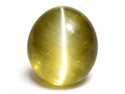
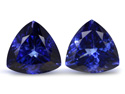

If you have ever consulted an astrologer in India for a Yellow Sapphire or Pukhraj, you may have heard familiar advice:
“Buy a light-coloured yellow sapphire.”
Or:
“Make sure it is a Ceylon sapphire.”
Over time, these statements have become so common that many buyers now believe a yellow sapphire must be pale lemon-yellow and must necessarily come from Sri Lanka to be suitable for astrological purposes.
But that is not really the complete story.
The original intention behind such advice was often not about choosing a weak or pale colour. It was largely about avoiding heavily treated commercial yellow sapphires and choosing a natural, unheated yellow sapphire instead.
“Buy a light-coloured yellow sapphire.”
Or:
“Make sure it is a Ceylon sapphire.”
Over time, these statements have become so common that many buyers now believe a yellow sapphire must be pale lemon-yellow and must necessarily come from Sri Lanka to be suitable for astrological purposes.
But that is not really the complete story.
The original intention behind such advice was often not about choosing a weak or pale colour. It was largely about avoiding heavily treated commercial yellow sapphires and choosing a natural, unheated yellow sapphire instead.
Why Did Astrologers Start Recommending Light-Coloured Yellow Sapphires?
To understand this, we need to look at how yellow sapphires were traditionally traded in India.
For many years, intensely coloured commercial yellow sapphires sold in the Indian market were frequently associated with material processed through Bangkok and other treatment centres. These stones could display strong golden, brownish-yellow or orangish-yellow shades.
In contrast, many natural unheated yellow sapphires historically available from Sri Lanka were seen in softer lemon, pastel and lighter yellow shades.
A 2010 bulletin from the Gem Testing Laboratory in Jaipur described vivid brownish-yellow to orangy-yellow beryllium-treated sapphires being commonly classified in the Indian trade as “Bangkok sapphires.” The same publication noted that untreated Sri Lankan yellow sapphires were generally less intensely coloured than many treated counterparts, although naturally saturated untreated stones certainly existed.
So when an astrologer said, “Choose a light-coloured sapphire,” the practical intention was often closer to:
“Avoid the heavily treated commercial material and choose a natural, untreated sapphire.”
Over the years, the shortcut became the rule—and the reason behind it was largely forgotten.
For many years, intensely coloured commercial yellow sapphires sold in the Indian market were frequently associated with material processed through Bangkok and other treatment centres. These stones could display strong golden, brownish-yellow or orangish-yellow shades.
In contrast, many natural unheated yellow sapphires historically available from Sri Lanka were seen in softer lemon, pastel and lighter yellow shades.
A 2010 bulletin from the Gem Testing Laboratory in Jaipur described vivid brownish-yellow to orangy-yellow beryllium-treated sapphires being commonly classified in the Indian trade as “Bangkok sapphires.” The same publication noted that untreated Sri Lankan yellow sapphires were generally less intensely coloured than many treated counterparts, although naturally saturated untreated stones certainly existed.
So when an astrologer said, “Choose a light-coloured sapphire,” the practical intention was often closer to:
“Avoid the heavily treated commercial material and choose a natural, untreated sapphire.”
Over the years, the shortcut became the rule—and the reason behind it was largely forgotten.
Does Yellow Sapphire Need to Be Light-Coloured for Astrology?
Not necessarily.
Colour alone cannot tell you whether a yellow sapphire has been heated.
This is one of the most important points for buyers to understand.
GIA research shows that natural yellow sapphires can occur with genuine yellow colour, while heating can also intensify yellow colour in suitable sapphire material. Beryllium diffusion can similarly create or strongly modify yellow colour.
That means:
Light colour does not automatically mean unheated.
And equally:
Intense yellow does not automatically mean heated.
Nature itself can produce beautiful vivid-yellow and golden-yellow sapphires.
Some exceptional unheated Sri Lankan yellow sapphires display wonderfully rich, bright, saturated yellow colour. These stones are particularly desirable because their colour has developed naturally rather than through artificial enhancement.
So choosing a weak-looking gemstone simply because it appears “astrological” may mean overlooking a far more beautiful natural sapphire.
Colour alone cannot tell you whether a yellow sapphire has been heated.
This is one of the most important points for buyers to understand.
GIA research shows that natural yellow sapphires can occur with genuine yellow colour, while heating can also intensify yellow colour in suitable sapphire material. Beryllium diffusion can similarly create or strongly modify yellow colour.
That means:
Light colour does not automatically mean unheated.
And equally:
Intense yellow does not automatically mean heated.
Nature itself can produce beautiful vivid-yellow and golden-yellow sapphires.
Some exceptional unheated Sri Lankan yellow sapphires display wonderfully rich, bright, saturated yellow colour. These stones are particularly desirable because their colour has developed naturally rather than through artificial enhancement.
So choosing a weak-looking gemstone simply because it appears “astrological” may mean overlooking a far more beautiful natural sapphire.
What Does “Ceylon Yellow Sapphire” Actually Mean?
“Ceylon” is the historic name of present-day Sri Lanka.
Sri Lanka has a long history of sapphire production and remains one of the world's important sources of sapphire. Because Sri Lankan material historically supplied an important share of the unheated sapphires reaching India, the words “Ceylon Pukhraj” became strongly associated with natural yellow sapphires among Indian astrologers and gemstone buyers.
This association is understandable—but origin and treatment are two completely different gemological questions.
A gemstone can be:
Sri Lankan and unheated
Sri Lankan and heat-treated
Sri Lankan and beryllium-diffused
From another origin and unheated
From another origin and heat-treated
Modern gemology therefore requires buyers to move beyond simply asking:
“Is this Ceylon?”
The more useful question may be:
“Has this sapphire undergone heat treatment or any other colour enhancement?”
Sri Lanka has a long history of sapphire production and remains one of the world's important sources of sapphire. Because Sri Lankan material historically supplied an important share of the unheated sapphires reaching India, the words “Ceylon Pukhraj” became strongly associated with natural yellow sapphires among Indian astrologers and gemstone buyers.
This association is understandable—but origin and treatment are two completely different gemological questions.
A gemstone can be:
Sri Lankan and unheated
Sri Lankan and heat-treated
Sri Lankan and beryllium-diffused
From another origin and unheated
From another origin and heat-treated
Modern gemology therefore requires buyers to move beyond simply asking:
“Is this Ceylon?”
The more useful question may be:
“Has this sapphire undergone heat treatment or any other colour enhancement?”
Today, Even Ceylon Sapphire Can Be Treated
This is where the traditional advice becomes particularly important to reconsider.
Simply buying a sapphire described as “Ceylon” does not guarantee that it is unheated.
Sri Lankan sapphires can and do undergo heat treatment. GIA research specifically documents heat-treatment experiments on yellow sapphires from Sri Lanka and shows that sufficiently high-temperature treatment can strengthen their yellow colour.
More advanced treatments such as beryllium diffusion can also modify sapphire colour. GIA explains that beryllium can penetrate the sapphire lattice during high-temperature treatment and create or intensify colours including yellow. In some cases, advanced laboratory analysis may be required to detect such treatment.
Therefore:
Ceylon origin should never be treated as a substitute for treatment disclosure.
For an astrology-focused buyer who specifically wants an untreated gemstone, both details should be examined separately:
Origin: Where did the gemstone form?
Treatment: What, if anything, happened to it after mining?
Simply buying a sapphire described as “Ceylon” does not guarantee that it is unheated.
Sri Lankan sapphires can and do undergo heat treatment. GIA research specifically documents heat-treatment experiments on yellow sapphires from Sri Lanka and shows that sufficiently high-temperature treatment can strengthen their yellow colour.
More advanced treatments such as beryllium diffusion can also modify sapphire colour. GIA explains that beryllium can penetrate the sapphire lattice during high-temperature treatment and create or intensify colours including yellow. In some cases, advanced laboratory analysis may be required to detect such treatment.
Therefore:
Ceylon origin should never be treated as a substitute for treatment disclosure.
For an astrology-focused buyer who specifically wants an untreated gemstone, both details should be examined separately:
Origin: Where did the gemstone form?
Treatment: What, if anything, happened to it after mining?
Beware of the Term “Bangkok Sapphire”
“Bangkok sapphire” is another term buyers frequently encounter in India.
Bangkok is one of the world's major coloured-stone trading and treatment centres, but “Bangkok sapphire” should not be treated as a precise gemological description.
A sapphire passing through Bangkok does not automatically indicate one specific treatment, and colour alone cannot establish its history.
Instead of depending on informal commercial terminology, buyers should look for clear disclosure such as:
Natural Corundum – Yellow Sapphire – No indications of heating
or the appropriate treatment terminology reported by a competent laboratory.
Gemological language is far more useful than a trade name because it tells you what the stone actually is.
Bangkok is one of the world's major coloured-stone trading and treatment centres, but “Bangkok sapphire” should not be treated as a precise gemological description.
A sapphire passing through Bangkok does not automatically indicate one specific treatment, and colour alone cannot establish its history.
Instead of depending on informal commercial terminology, buyers should look for clear disclosure such as:
Natural Corundum – Yellow Sapphire – No indications of heating
or the appropriate treatment terminology reported by a competent laboratory.
Gemological language is far more useful than a trade name because it tells you what the stone actually is.
For Astrology Buyers, Treatment May Matter More Than Origin
As per traditional Vedic astrology, many buyers and astrologers prefer natural, unheated gemstones for astrological use. This remains a traditional belief rather than something established scientifically, and astrological results should never be considered guaranteed.
From a purchasing perspective, however, the logic becomes straightforward.
If your personal requirement is specifically for an unheated gemstone, then buying a sapphire purely because somebody calls it “Ceylon” does not answer your requirement.
Similarly, rejecting an unheated sapphire from another legitimate source only because it is not from Sri Lanka may unnecessarily restrict your options.
At Nine Gems, we prefer to describe gemstones using clear gemological terminology rather than depending entirely on traditional trade labels.
For an astrology-focused yellow sapphire buyer, the priorities may therefore be considered separately:
Natural gemstone → Treatment disclosure → Quality → Suitable size → Origin
Origin can certainly influence rarity, desirability and price, but it should not replace treatment identification.
From a purchasing perspective, however, the logic becomes straightforward.
If your personal requirement is specifically for an unheated gemstone, then buying a sapphire purely because somebody calls it “Ceylon” does not answer your requirement.
Similarly, rejecting an unheated sapphire from another legitimate source only because it is not from Sri Lanka may unnecessarily restrict your options.
At Nine Gems, we prefer to describe gemstones using clear gemological terminology rather than depending entirely on traditional trade labels.
For an astrology-focused yellow sapphire buyer, the priorities may therefore be considered separately:
Natural gemstone → Treatment disclosure → Quality → Suitable size → Origin
Origin can certainly influence rarity, desirability and price, but it should not replace treatment identification.
A Beautiful Yellow Sapphire Does Not Have to Be Pale
Perhaps the biggest misunderstanding created by the “light-coloured Pukhraj” rule is the idea that a beautiful vivid-yellow sapphire must somehow be suspicious.
That is simply not true.
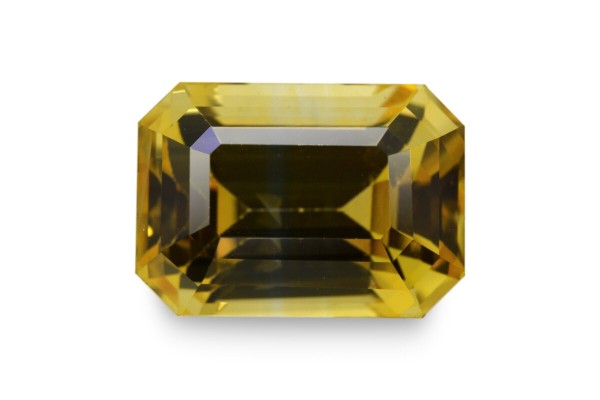
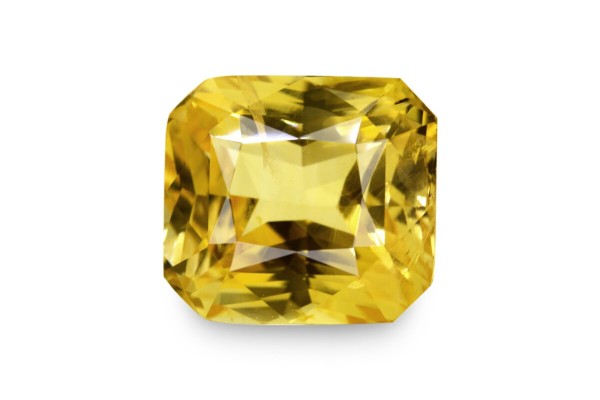
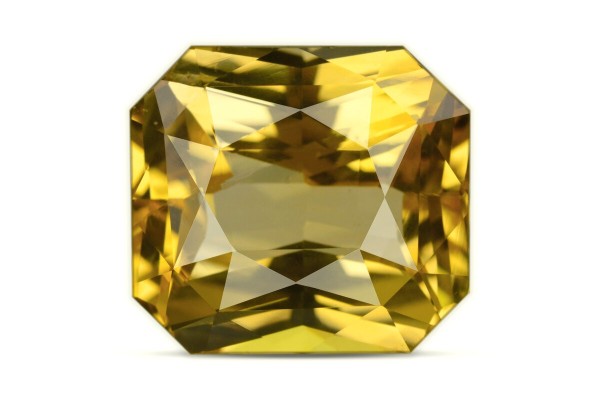
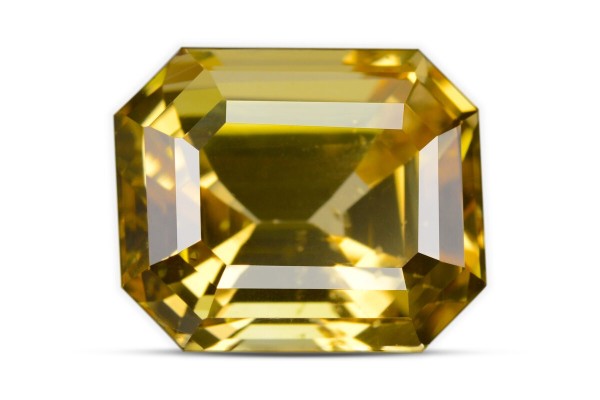
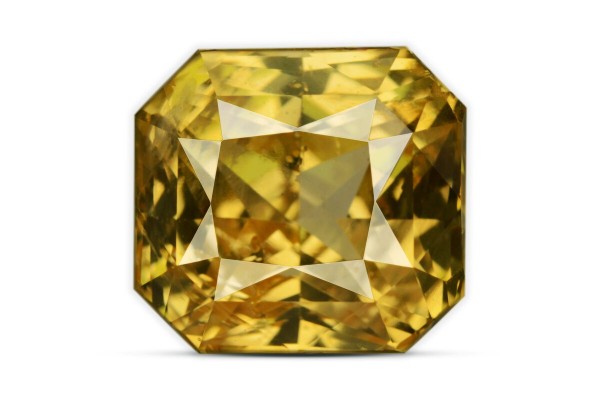
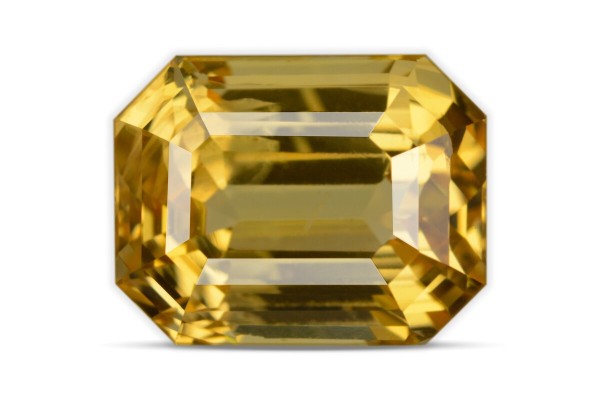
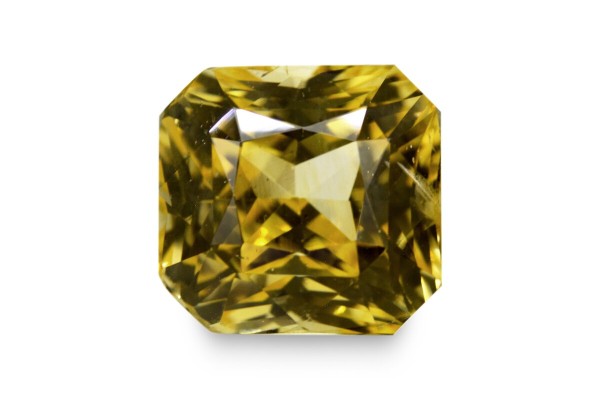
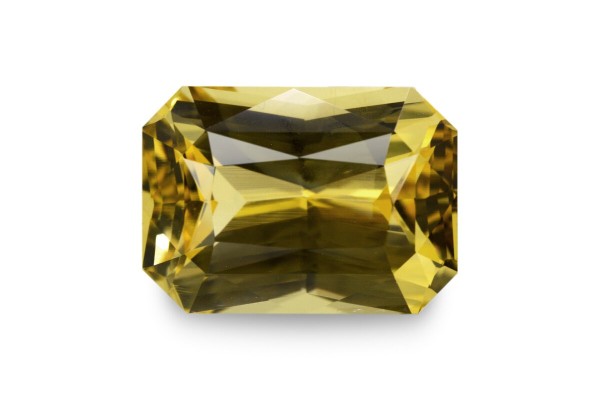
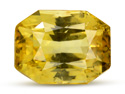
Natural unheated yellow sapphire can occur in soft lemon yellow, medium yellow, golden yellow and even highly saturated vivid yellow tones.
GIA's research on yellow sapphire confirms that natural yellow coloration occurs without artificial treatment, while also showing why laboratory examination is necessary to distinguish natural colour from treatment-created or treatment-enhanced colour.
A fine natural, unheated vivid golden-yellow sapphire can therefore represent something very special: strong colour created entirely by nature.
For jewellery buyers and collectors, such stones can combine beauty with rarity. For astrology-focused buyers who prefer unheated gemstones, they can offer natural colour without having to compromise on visual appeal.
That is simply not true.
Natural unheated yellow sapphire can occur in soft lemon yellow, medium yellow, golden yellow and even highly saturated vivid yellow tones.
GIA's research on yellow sapphire confirms that natural yellow coloration occurs without artificial treatment, while also showing why laboratory examination is necessary to distinguish natural colour from treatment-created or treatment-enhanced colour.
A fine natural, unheated vivid golden-yellow sapphire can therefore represent something very special: strong colour created entirely by nature.
For jewellery buyers and collectors, such stones can combine beauty with rarity. For astrology-focused buyers who prefer unheated gemstones, they can offer natural colour without having to compromise on visual appeal.
Don't Buy the Term—Understand the Gemstone
“Light-coloured sapphire.”
“Ceylon Pukhraj.”
“Bangkok sapphire.”
These terms all have history behind them, but none should replace proper gemstone identification.
When buying Yellow Sapphire for astrological use, focus on what can actually be established:
Is it a natural sapphire?
Has it been heated or otherwise treated?
Does the gemstone have good colour, transparency and overall quality?
Is the treatment status supported by a reliable gemological report when the purchase value justifies it?
And only then consider origin as another characteristic of the gemstone.
At Nine Gems, we believe that buyers should understand exactly what they are purchasing rather than choose a gemstone simply because it matches a traditional trade description.
Explore our collection of natural Yellow Sapphires, or if you are looking specifically for a Yellow Sapphire in Bangalore, visit Nine Gems to compare different colours, qualities and treatment categories in person.
The goal should not simply be to find a light-coloured Ceylon sapphire.
It should be to find the right natural Yellow Sapphire—with complete disclosure of what nature created and what, if anything, humans changed.
“Ceylon Pukhraj.”
“Bangkok sapphire.”
These terms all have history behind them, but none should replace proper gemstone identification.
When buying Yellow Sapphire for astrological use, focus on what can actually be established:
Is it a natural sapphire?
Has it been heated or otherwise treated?
Does the gemstone have good colour, transparency and overall quality?
Is the treatment status supported by a reliable gemological report when the purchase value justifies it?
And only then consider origin as another characteristic of the gemstone.
At Nine Gems, we believe that buyers should understand exactly what they are purchasing rather than choose a gemstone simply because it matches a traditional trade description.
Explore our collection of natural Yellow Sapphires, or if you are looking specifically for a Yellow Sapphire in Bangalore, visit Nine Gems to compare different colours, qualities and treatment categories in person.
The goal should not simply be to find a light-coloured Ceylon sapphire.
It should be to find the right natural Yellow Sapphire—with complete disclosure of what nature created and what, if anything, humans changed.
Frequently Asked Questions
Is a light-coloured Yellow Sapphire always unheated?
No. Colour alone cannot reliably establish treatment. Both light and strongly coloured sapphires may be natural, heated or otherwise treated. A qualified laboratory examination is the appropriate way to determine treatment status.
Is every Ceylon Yellow Sapphire unheated?
No. “Ceylon” refers to Sri Lankan origin. Sri Lankan sapphires may be unheated or treated, so origin and treatment should always be considered separately.
Can an unheated Yellow Sapphire have an intense golden-yellow colour?
Yes. Naturally coloured unheated yellow sapphires can occur in highly attractive saturated yellow and golden-yellow shades. Strong colour by itself is not evidence of treatment.
What is a Bangkok Yellow Sapphire?
In the Indian gemstone trade, the term has commonly been associated with commercially treated yellow sapphires processed through Bangkok. However, it is not precise gemological terminology. Buyers should ask specifically about the gemstone's treatment instead.
Which is more important for astrology: Ceylon origin or being unheated?
For buyers who follow the traditional preference for untreated gemstones in Vedic astrology, treatment status may be the more relevant consideration. Origin can still influence rarity and value, but a Sri Lankan origin by itself does not establish that a sapphire is untreated.
External Sources